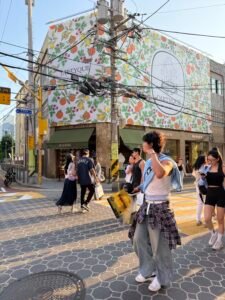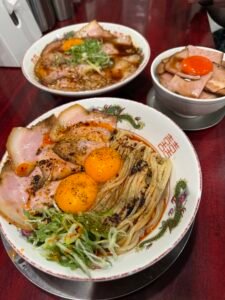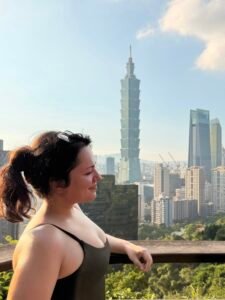
I first went to Tokyo in 2015, and it quite literally blew my tiny mind. I couldn’t stop thinking about when I’d next get to go back, and comparing every other travel experience I had to how incredible it was. I’ve now spent a significant amount of time there across multiple visits, moving between neighbourhoods, working my way through the food scene with what I can only describe as professional commitment, and slowly getting to grips with the fact that Tokyo is not a normal city. It’s more like a dozen diverse worlds that happen to share a train network.
Each area has its own personality, its own array of sights and activities, and its own pace. You can spend months there and still feel like you’ve not even scratched the surface, but I feel like this guide will genuinely help you feel like you’ve made the most of it.
It’s an accumulation of everything worth doing — what to see, which neighbourhoods are worth your time and why, what to eat (a seriously comprehensive guide) and a bunch of day trips to squeeze in if you can. It’s very long because Tokyo is a behemoth, and I really wanted to do it justice… so let’s get into it!
Logistics in Tokyo
Where to Stay in Tokyo
Where you stay depends a little on how long you have. Visiting for 2 weeks necessitates connectivity and vibes, but living there? It needs so much more. So here’s my take:
Less than 1 month:
- Shinjuku: The classic choice for good reason. World’s busiest station, great food at every price point, iconic nightlife, and a genuine buzz at all hours. Best for first visits to get a good feel for things while being very well connected
- Shibuya: Younger, louder, great for shopping and nightlife. The crossing is on your doorstep, Cat Street is walkable, and Nakameguro, Ometosando and Ebisu are close enough to drift into. Also insanely well connected.
- Asakusa: Old Tokyo energy — temples, traditional craft shops and a much slower pace. Surprisingly well-connected despite feeling removed from the modern city.
- Ueno / Akihabara area: Historic local feel and super practical for museum-heavy days. Less polished but more authentic while remaining decently connected to the rest of the city.
- Ginza: Gorgeous, amazing for shopping, eating and drinking, and basically at the centre of Tokyo proper. But it’s probably the most expensive district in Tokyo, and you’ll feel it.
Longer than 1 month:
- Ningyocho: One of Tokyo’s best-kept secrets for longer stays. Premium feel, calm and orderly energy, great local grocery options (OK supermarket is elite tier) and a solid everyday restaurant scene — but genuinely affordable by Tokyo standards. Better connected than it looks on the map, and it actually feels like a neighbourhood rather than a tourist staging post.
- Kanda: Not glamorous, but that’s the point. If you can’t face a 20-minute commute for dinner but still want to actually go somewhere and feel like it’s more than just rolling out your door, Kanda delivers — loads of no-frills izakayas, ramen spots, and salaryman bars that have never seen a tourist and aren’t about to start (unless this blog blows up). Super cheap, extremely well connected, and pleasantly unbothered by its own existence.
- Ebisu: A polished, more easy going version of Shibuya. There’s an unreal restaurant and bar scene, a few excellent coffee spots, and a generally unhurried pace that’s hard to find this close to the action.
- Shimokitazawa / Nakameguro: My picks for staying somewhere that actually feels like a neighbourhood. More residential, excellent restaurant, cafés and bars, and worth it if you’re spending real time there. It’s obviously a bit further out, but I think the day to day life upgrade is worth it.
Important Points
- IC Card: Get a Suica or Pasmo card immediately on arrival. Tap in and out of everything — trains, buses, convenience stores, vending machines. Non-negotiable. It’s available as an app on iPhone (in progress for Android, I think).
- Maps: Google Maps works well here. Set it to transit mode and it’ll route you correctly through even the most labyrinthine station systems.
- Cash: Japan is more cash-forward than you’d expect. 7-Eleven ATMs are the most reliable for foreign cards. Keep yen on you at all times.
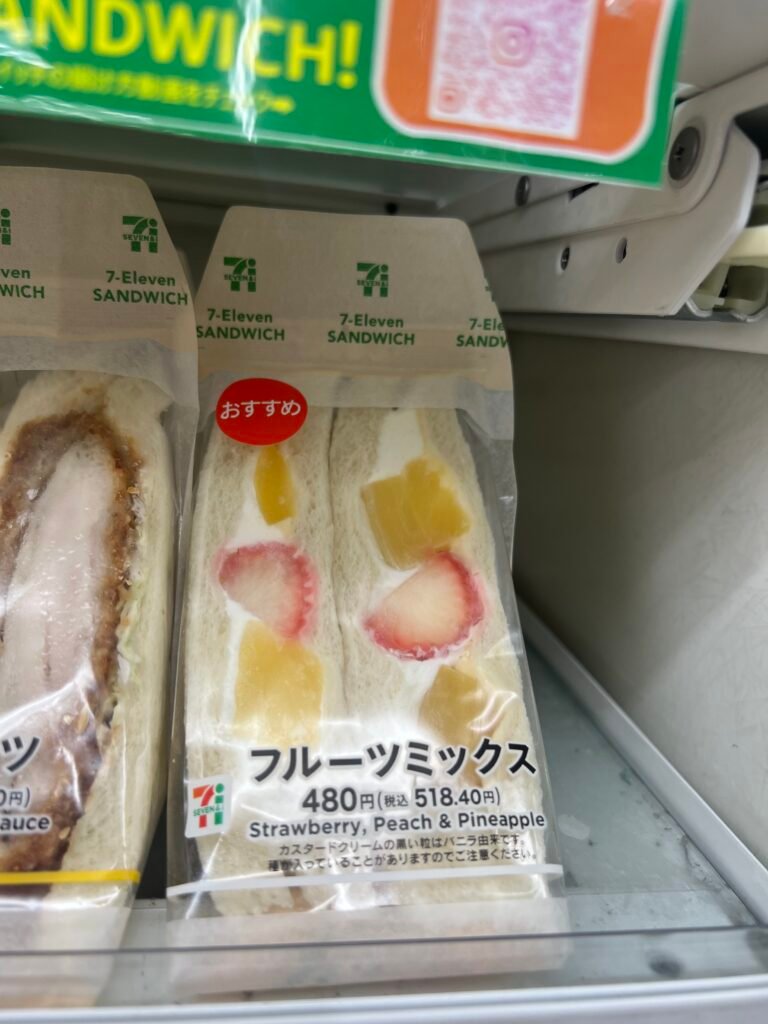
- Convenience stores (“konbinis”): 7-Eleven, FamilyMart, and Lawson are a genuine lifestyle infrastructure. Fruit sandos, onigiri, hot food, excellent coffee, ATMs. Learn to make it a part of your life immediately.
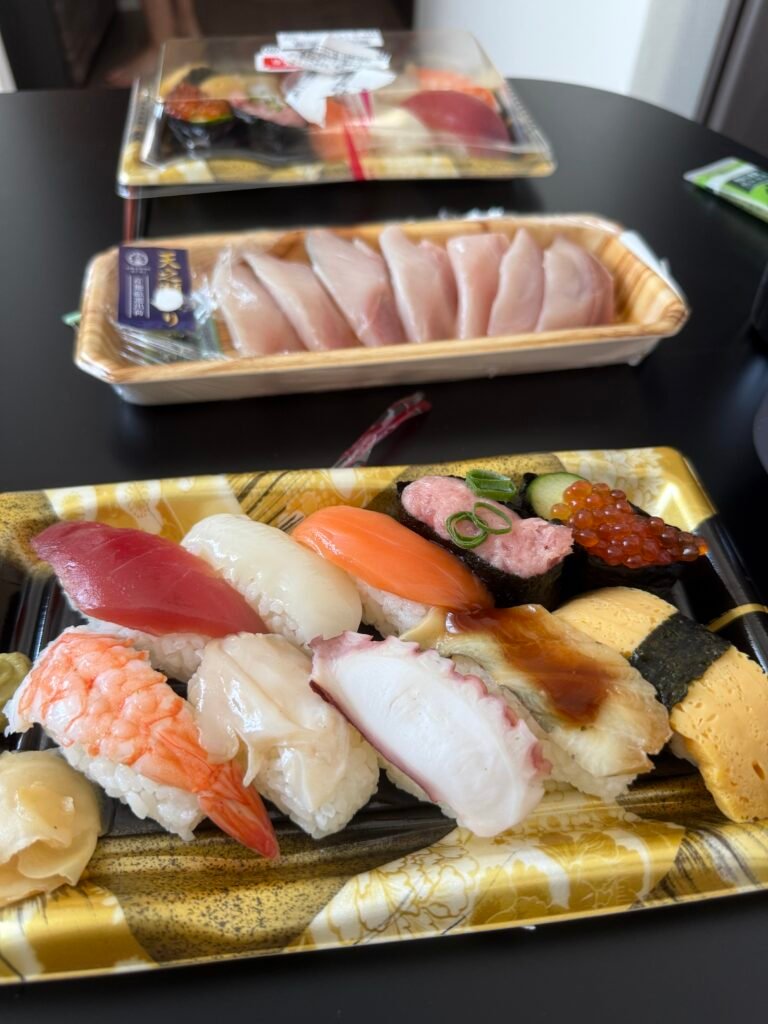
- Supermarkets: People making content on Japan NEVER talk about this. Supermarkets are cheaper and have much wider selections than konbinis. Also, they have restaurant quality sushi available which usually get slashed in price at the end of every day. I’d recommend OK Supermarket for excellent variety at incredibly affordable prices. The sushi below was from there, and cost £5 for everything pictured.
- Internet: An eSIM from Nomad works perfectly and is by far the easiest option.
- Language: English signage has improved enormously since the 2020 Olympics, but learning a handful of phrases is appreciated by locals. Key ones at the bottom of this post.
- Expensiveness: Tokyo is cheaper than London and NYC, full stop. Aside from rent and travel, it’s actually on par with costs of living in Thailand (if you know where to go). A genuinely excellent meal at a chain restaurant costs less than a mediocre sandwich at home.
What to See & Do in Tokyo
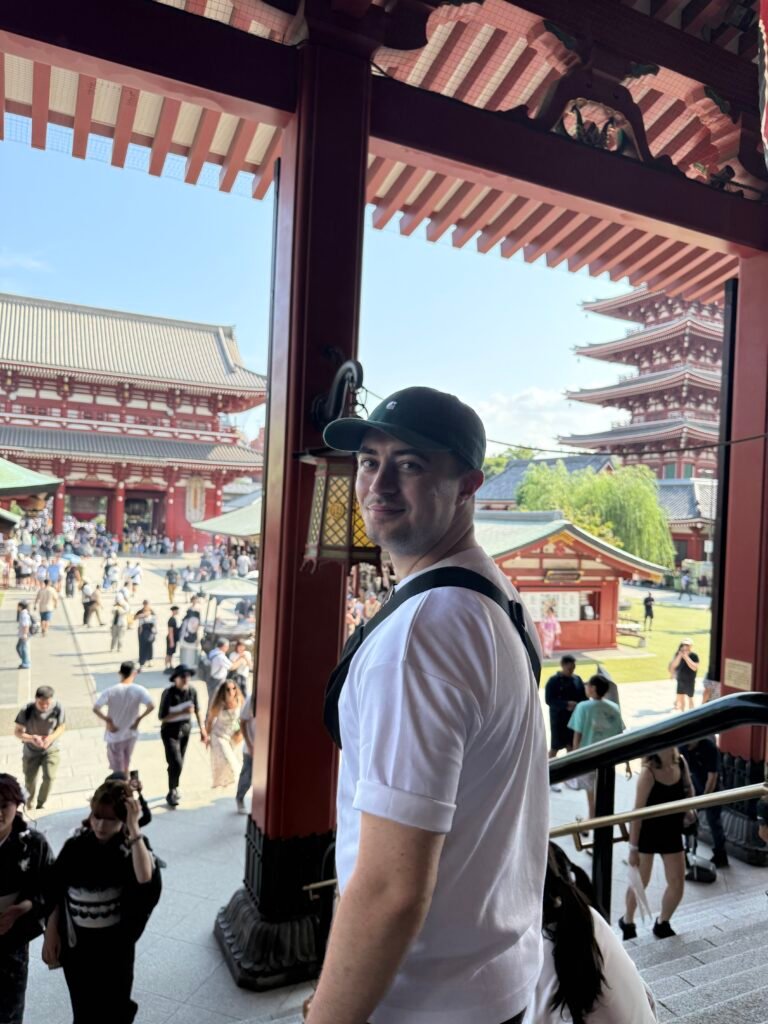
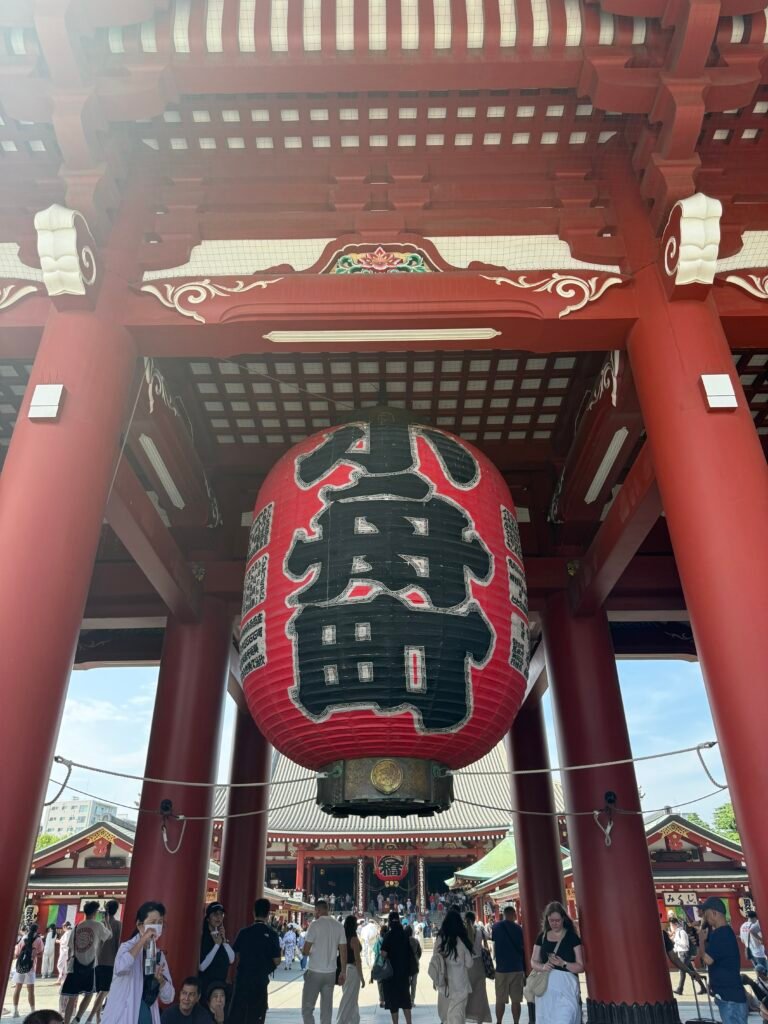
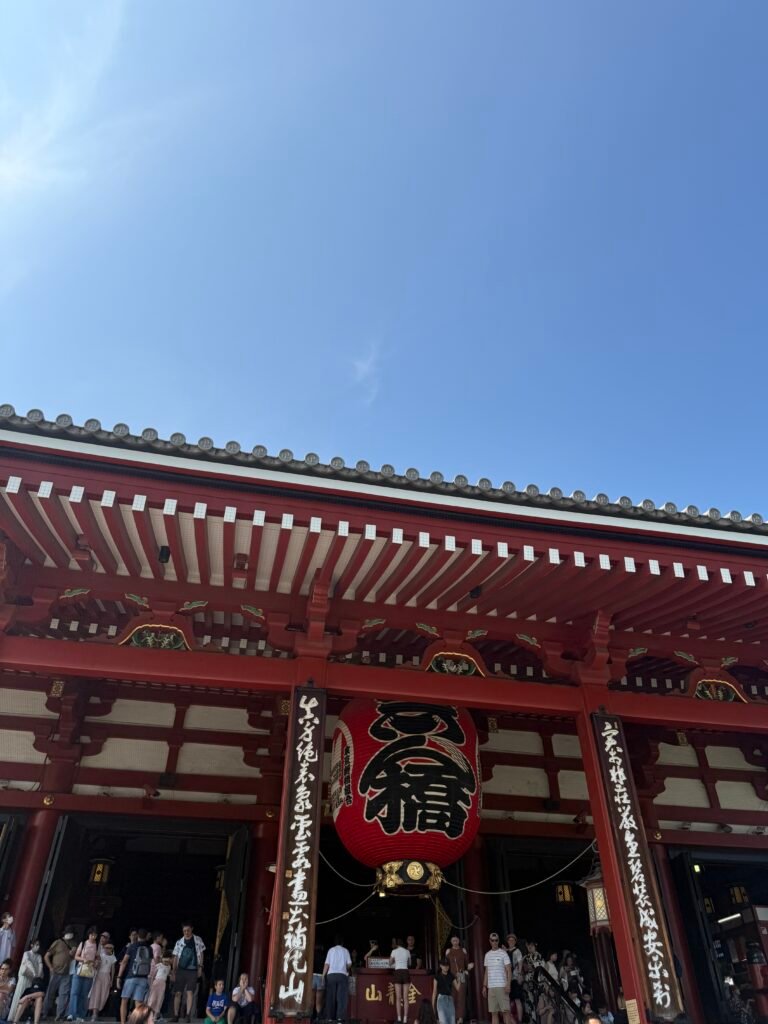
Senso-ji Shrine, Asakusa
The most visited temple in Japan and still completely worth it — with one strong caveat: go at dawn if you can manage it. Before the tour groups arrive, Senso-ji is genuinely beautiful. Incense drifting, lanterns glowing, the Nakamise shopping street still quiet. By 10am it’s very busy and annoying to deal with. By noon it’s a lot (which we painfully found out lol).
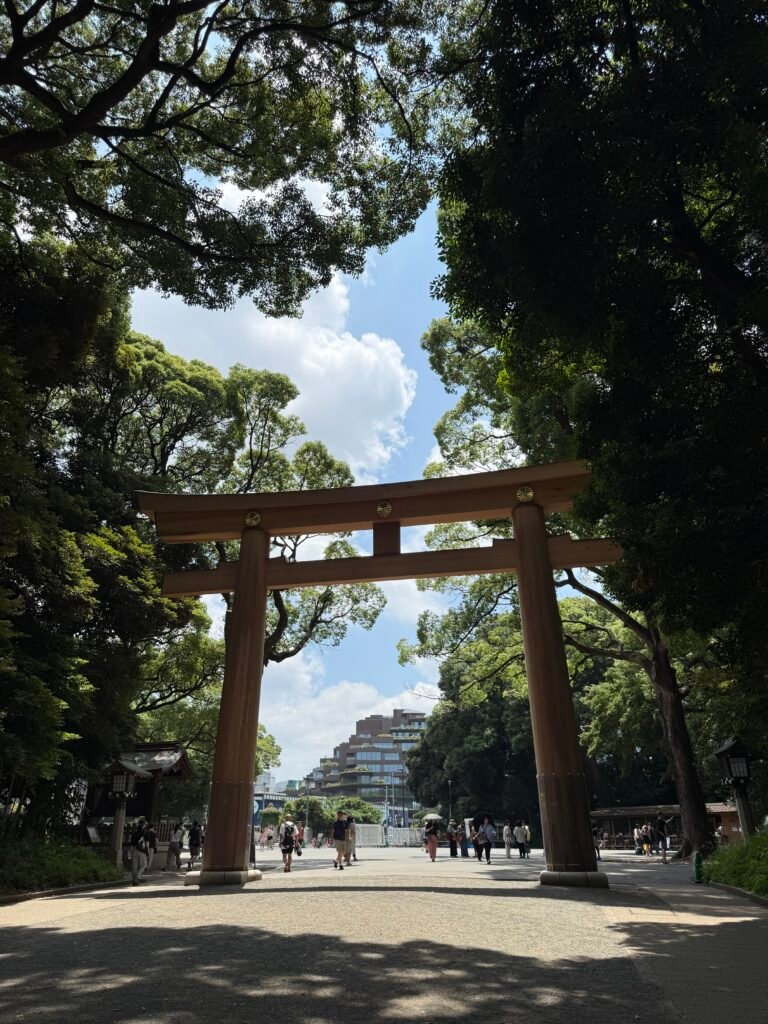
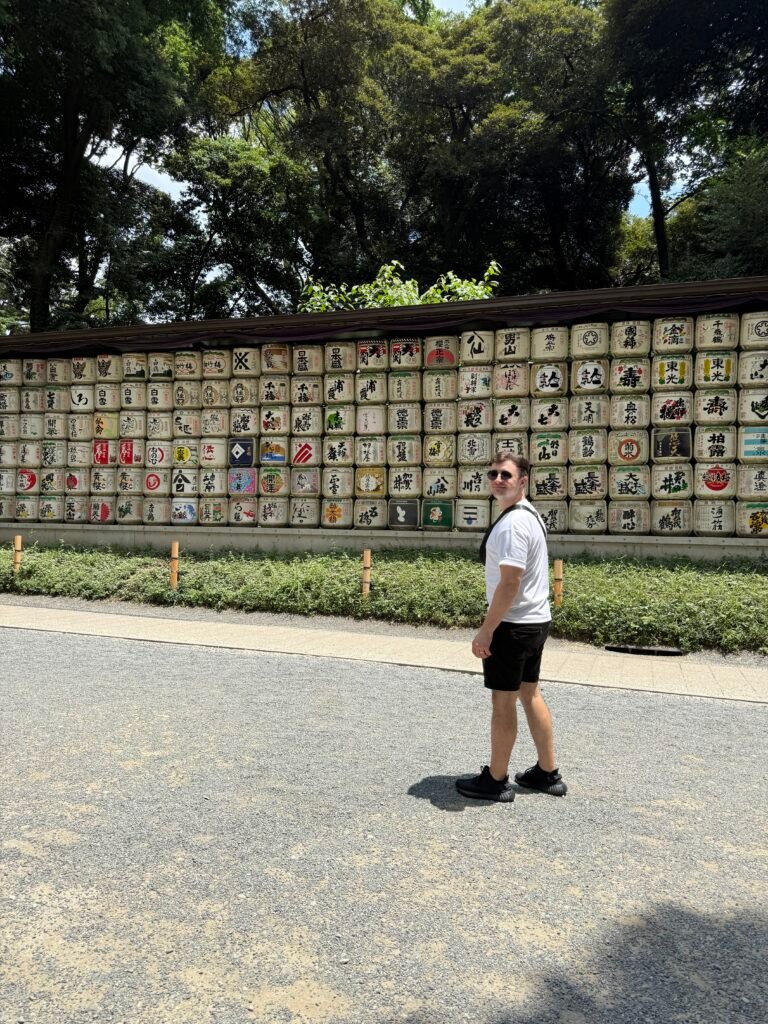
Meiji Shrine, Harajuku
An enormous forested shrine in the middle of one of Tokyo’s busiest areas. The walk through the trees to the main shrine feels like stepping out of the city entirely. It’s fantastic to combine with a wander through Yoyogi Park and then a drift down into Harajuku and Omotesando afterwards.
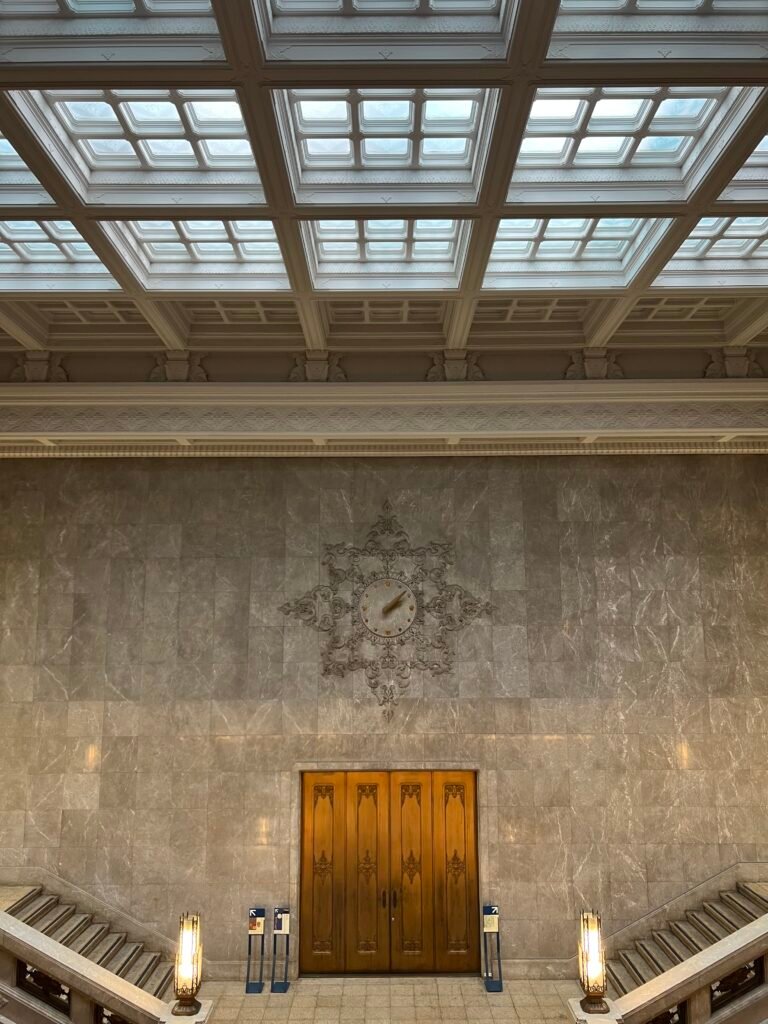
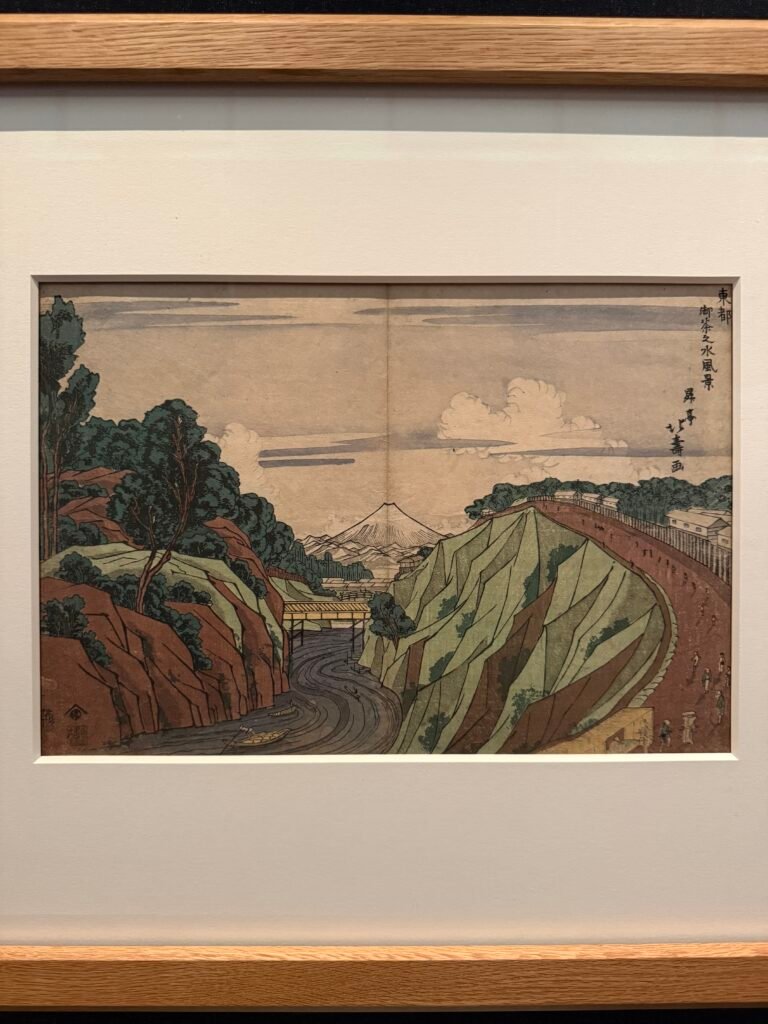
Tokyo National Museum & Tokyo Metropolitan Art Museum, Ueno
One of many amazing museums in Tokyo. It covers Japanese art and history from the Jomon period through to the Edo era with real depth and excellent curation. Plan at least two hours — more if you’re the kind of person who reads every panel. Ueno Park is right outside, which makes for a good combined morning.
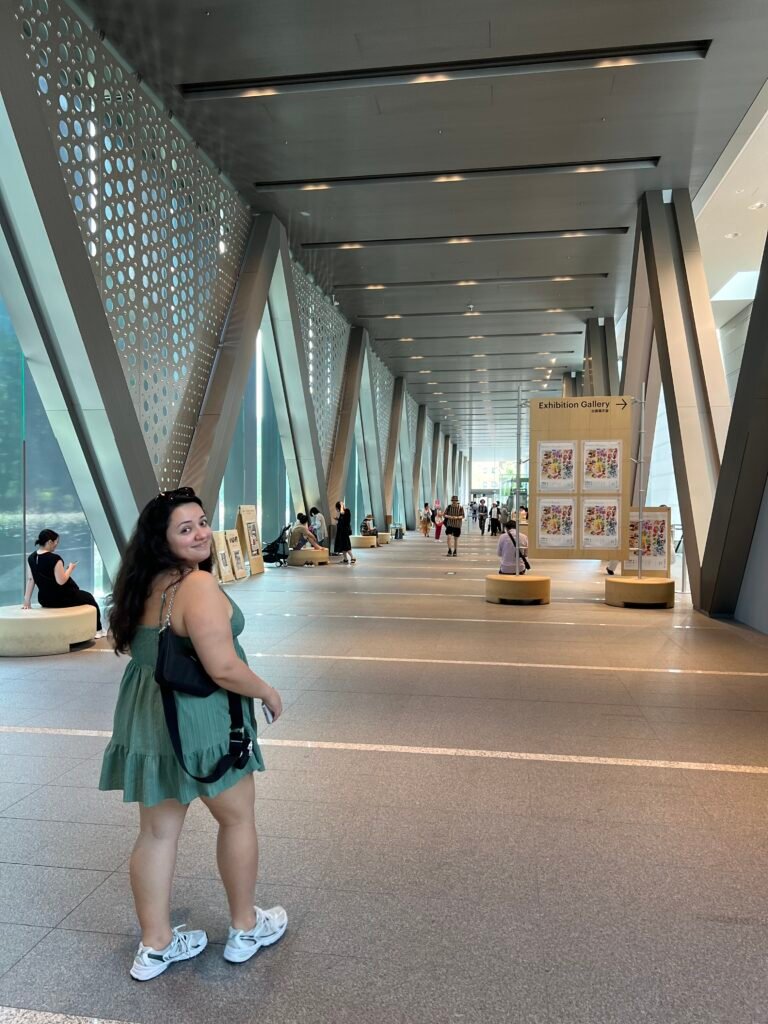
Museum of Contemporary Art Tokyo (MOT)
Out in Koto, slightly further east than the other museums, and worth the journey for a dedicated art day. The permanent collection is genuinely fun, the building is impressive, and because it’s a bit of an effort to get to, it’s rarely crowded. Good to combine with a walk around the Kiyosumi-Shirakawa and Monzen-Nakacho area, which has excellent food and drink options.
Ueno Park & Ameyoko Market
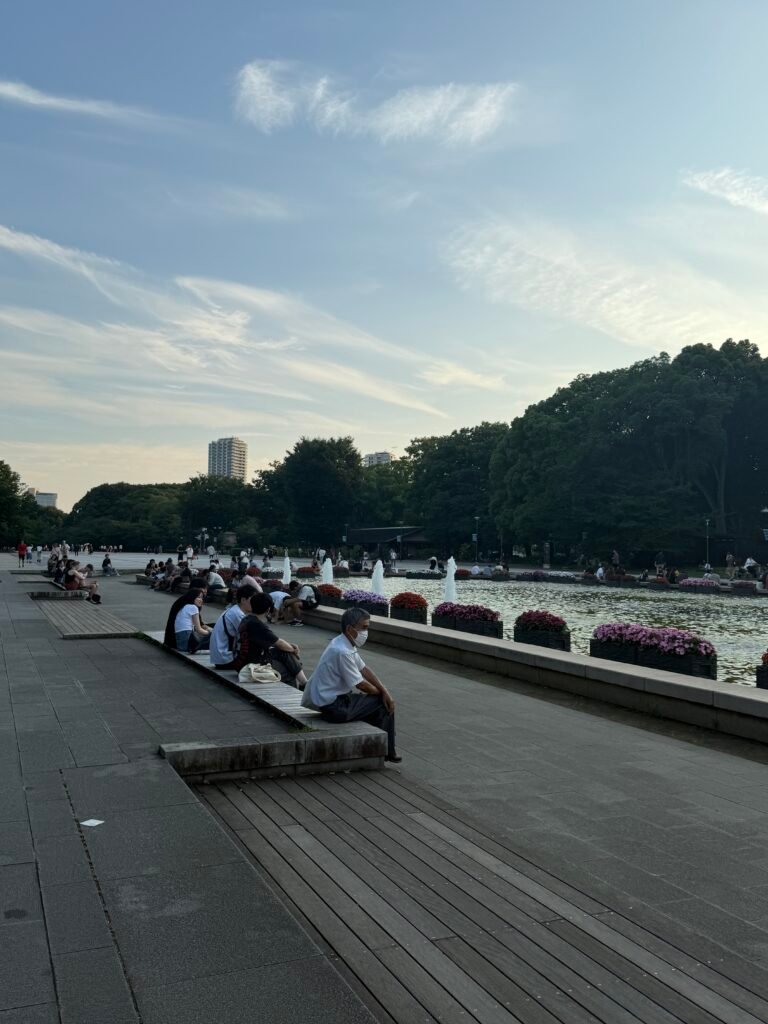
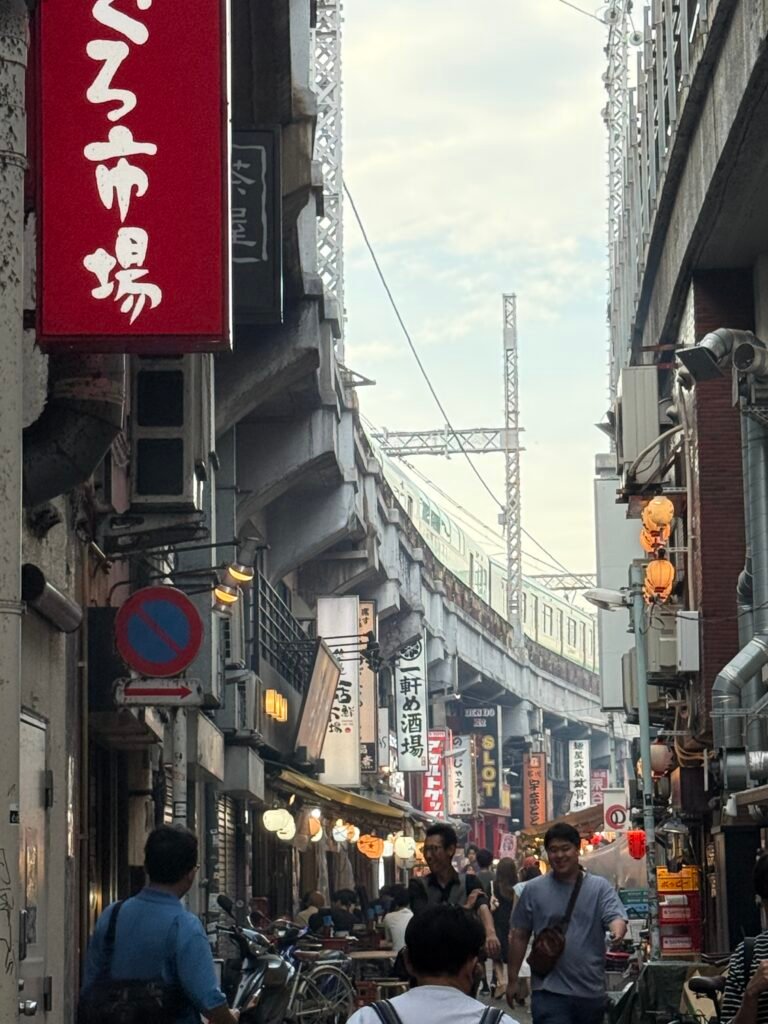
Ueno Park is lovely for a wander between museums, and especially beautiful during cherry blossom season when it becomes one of the city’s great hanami spots. Ameyoko Market — the covered street market running along the elevated train tracks — is chaotic, fun, and full of cheap food and eccentric shopping. It has a completely different energy to the museum district sitting just beside it, and spending an hour drifting between the two is one of the better free afternoons you can have in Tokyo.
Imperial Palace Gardens & Marunouchi
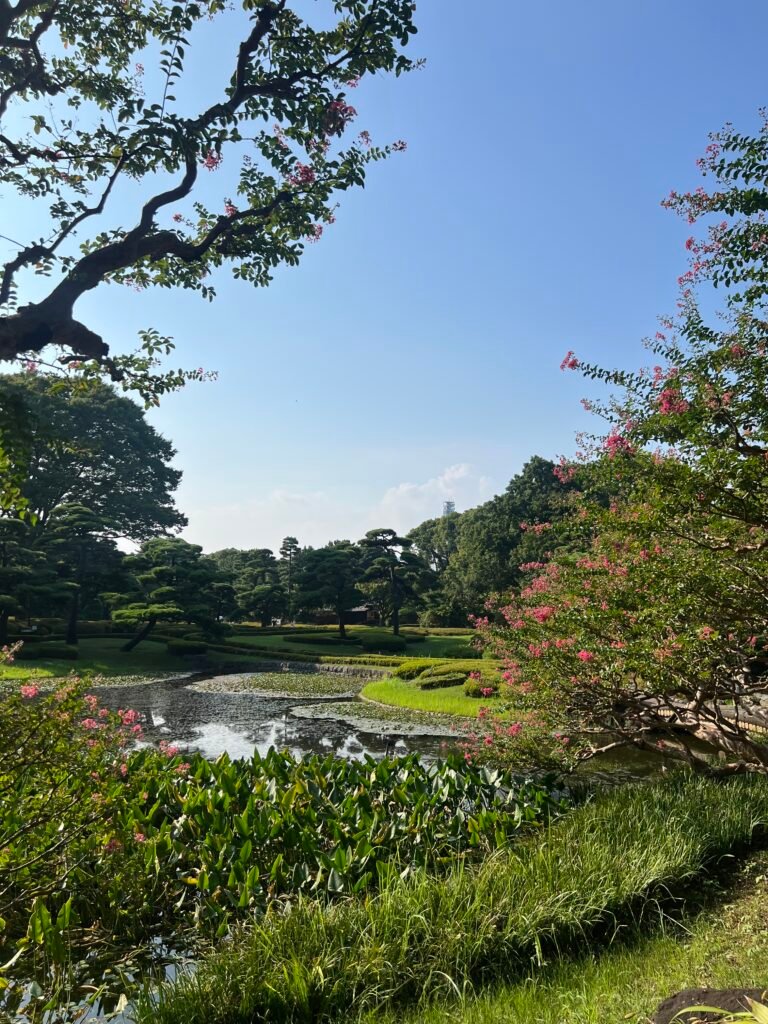
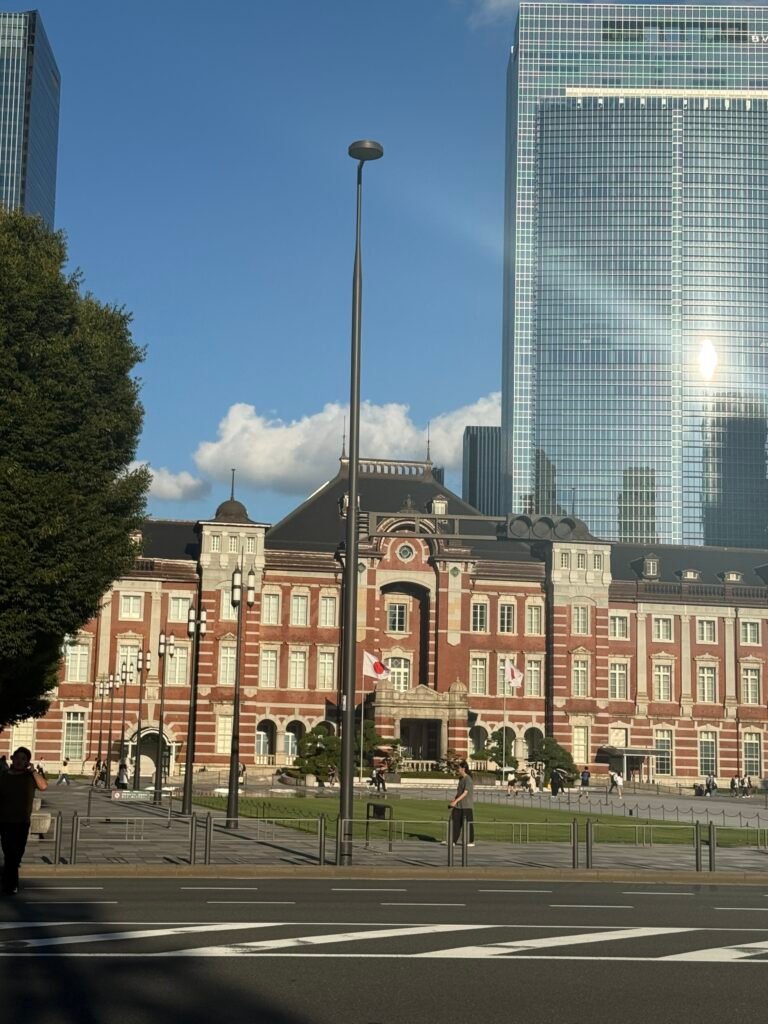
Free to enter (the inner palace itself requires advance booking), beautifully maintained, and a remarkably calm space given it sits in the middle of one of the world’s most intense cities. Worth half a morning, ideally combined with a walk through Marunouchi — the business district that runs between the palace and Tokyo Station — and then a stop at Tokyo Station itself, which is a genuinely beautiful Meiji-era building and home to some excellent food options in the basement.
Tsukiji Outer Market
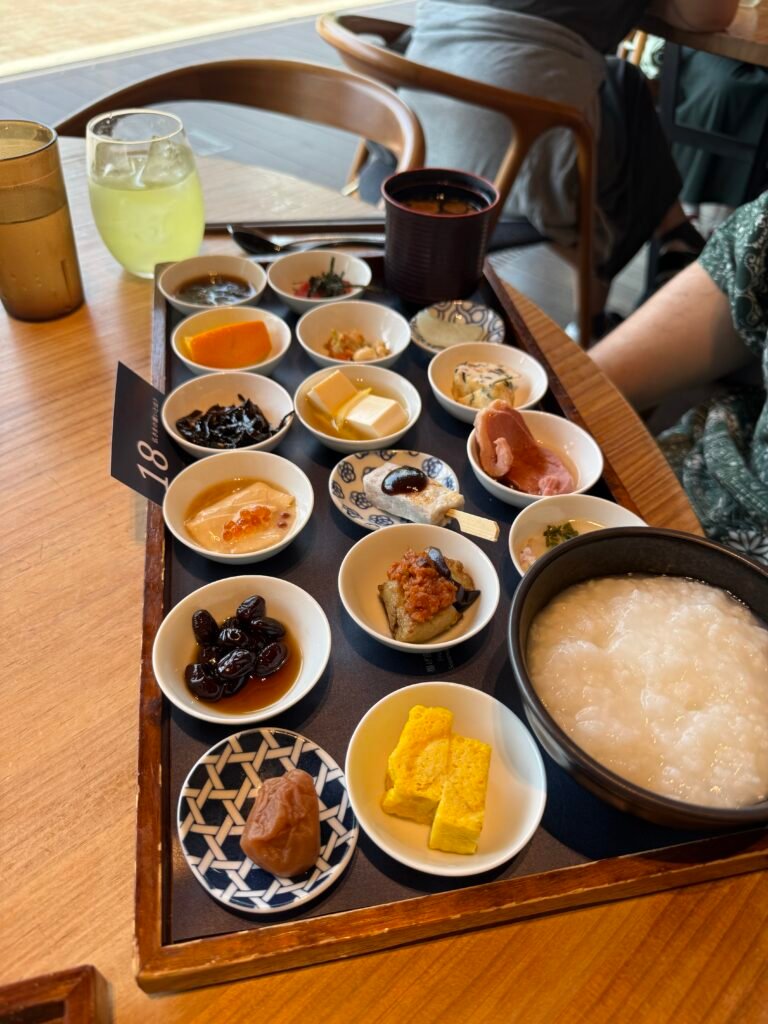
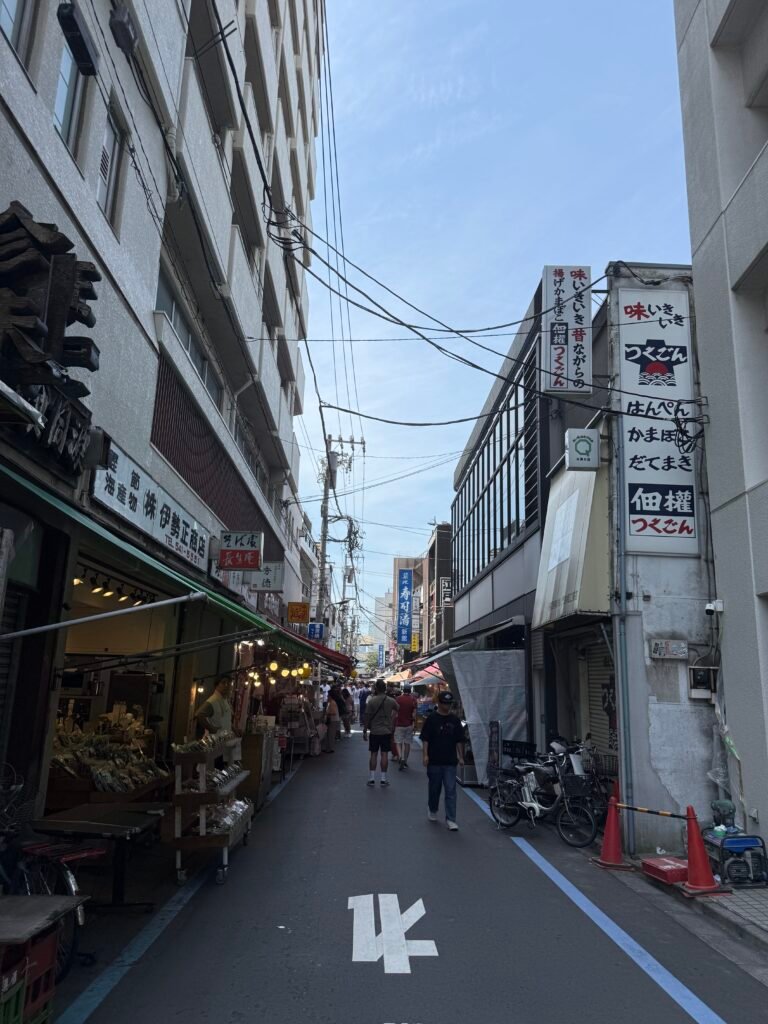
While the inner market has moved to Toyosu, the outer market is still very much alive, and is a great traditional experience – but I’ll say it stops there. Everyone will tell you to go hungry and try the food at the market stalls, but it’s truly become a tourist trap over the years. Everything is seriously overpriced and mediocre in quality, especially when you consider the general standard across the country. I would say give the traditional breakfast at Tsukiji Honganji Cafe Tsumugi a go for a unique experience, but only if you have a sweet tooth.
Tokyo Metropolitan Government Building Observation Deck
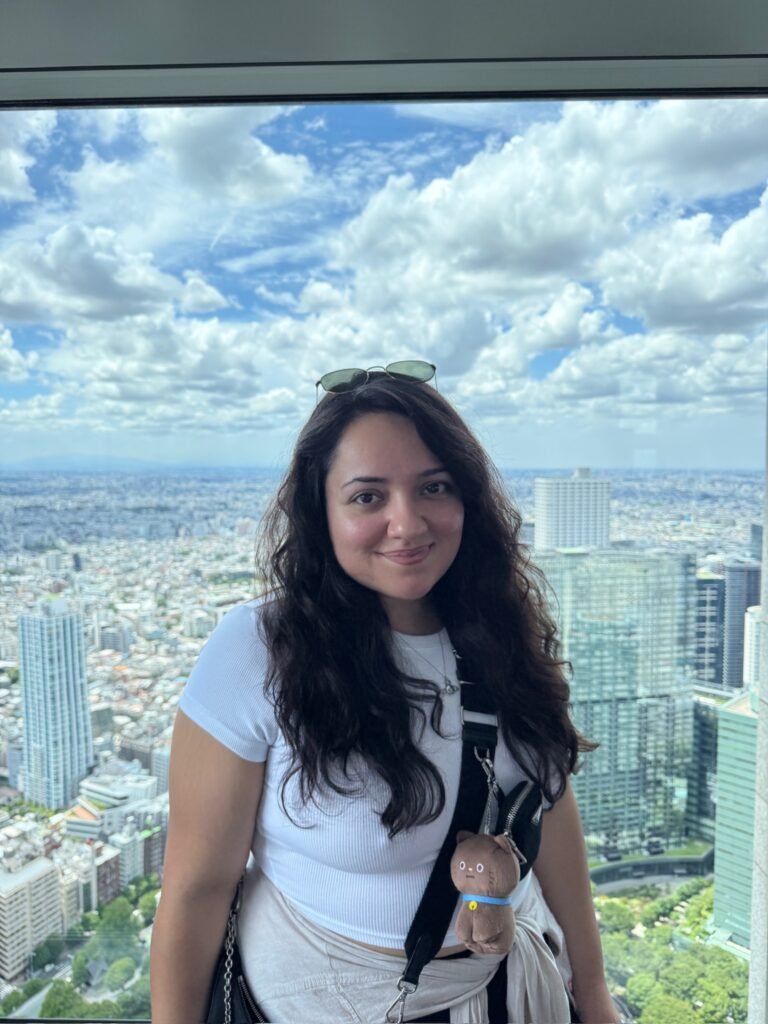
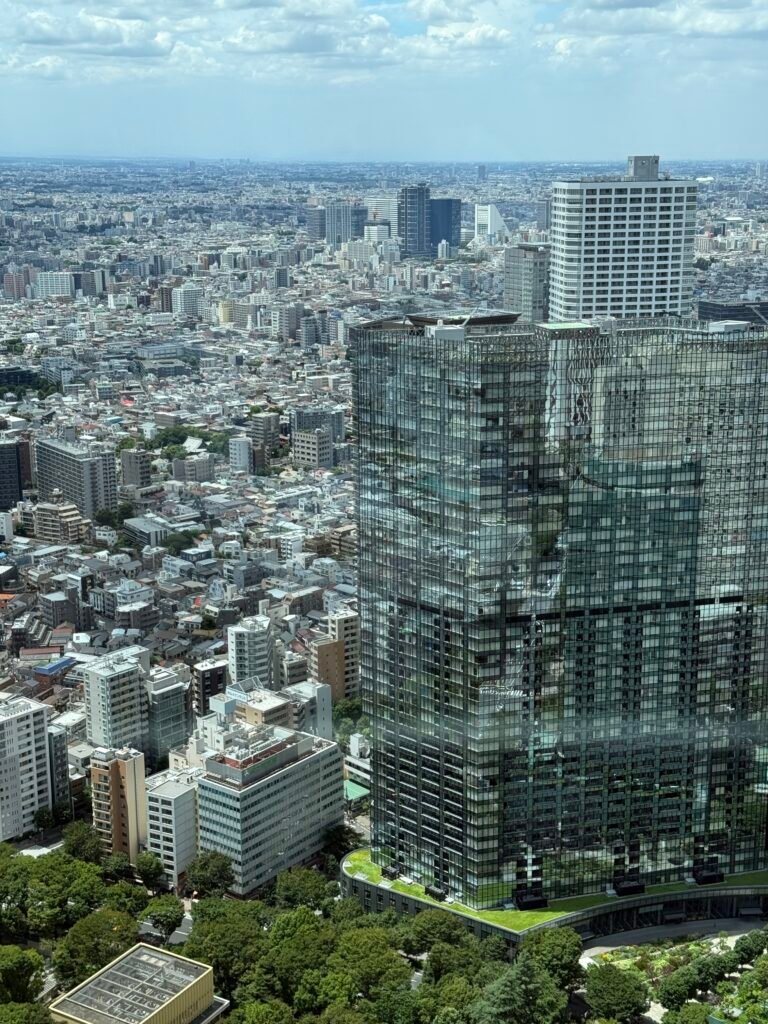
One of Tokyo’s least best-kept budget secrets – the observation decks on the 45th floor of the Tokyo Metropolitan Government Building are completely free to enter. You get sweeping 360-degree views over the city, and on a clear day you can spot Mount Fuji to the west. There are two towers (North and South), with the North Tower open in the evenings too, making it a great spot for a night view without spending a yen. You honestly don’t need to go up another vantage point (unless you really love vantage points).
Tokyo Tower
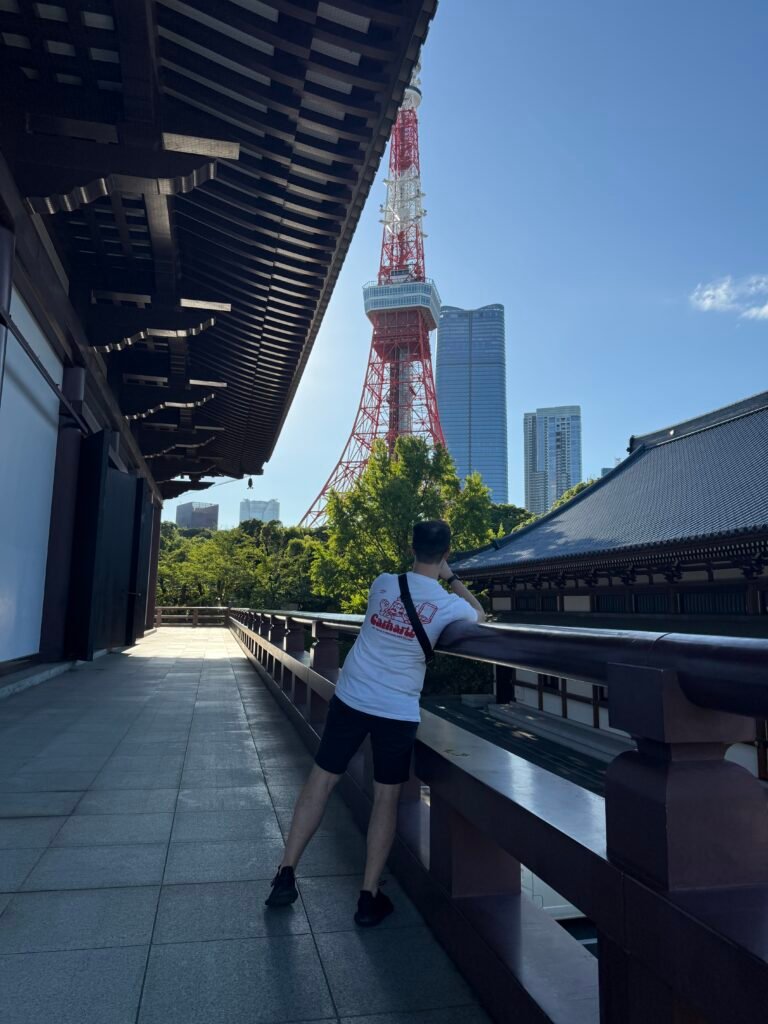
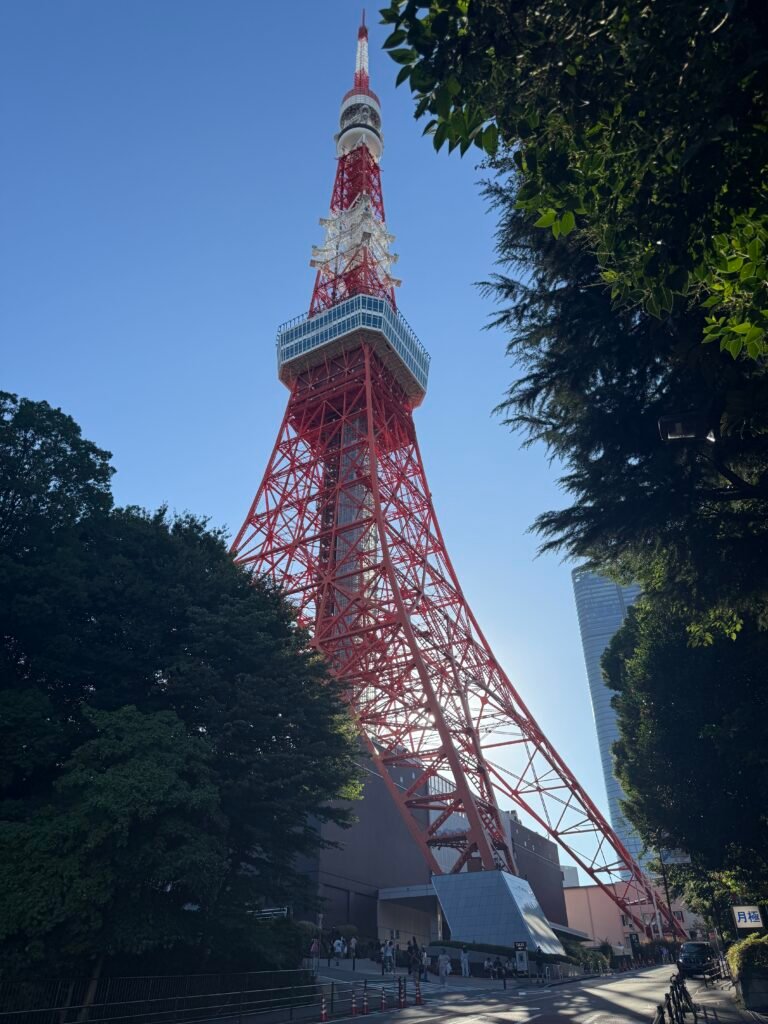
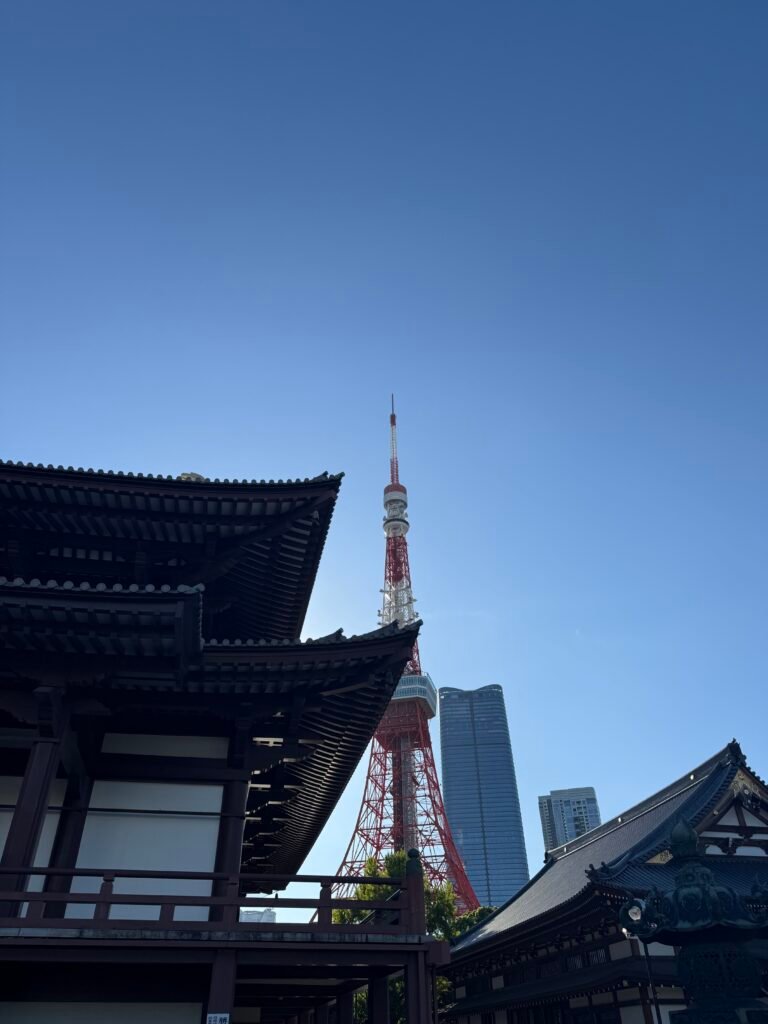
The retro 333-metre lattice tower is iconic for a reason – and it might edge out the Skytree for charm. Built in 1958 and inspired by the Eiffel Tower, it lights up beautifully at night and the surrounding Shiba Park gives you a lovely spot to take it all in for free. If you want to head up, there are two observation decks: the Main Deck at 150m and the Top Deck at 250m, but I think the view is really the building itself.
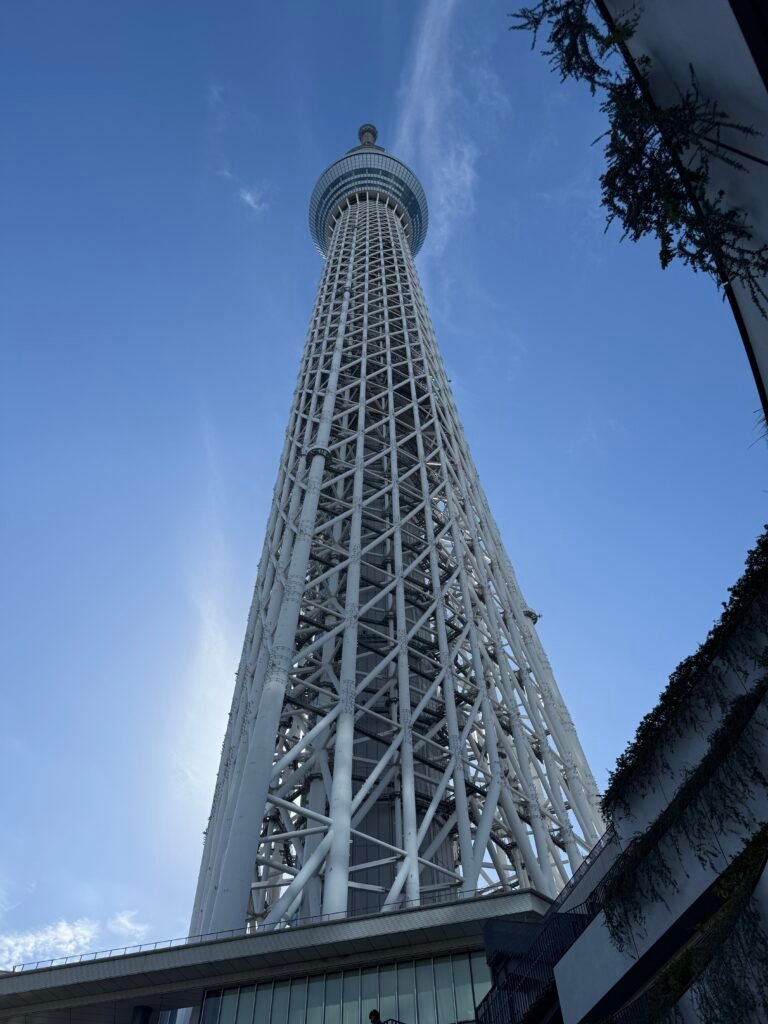
Tokyo Skytree
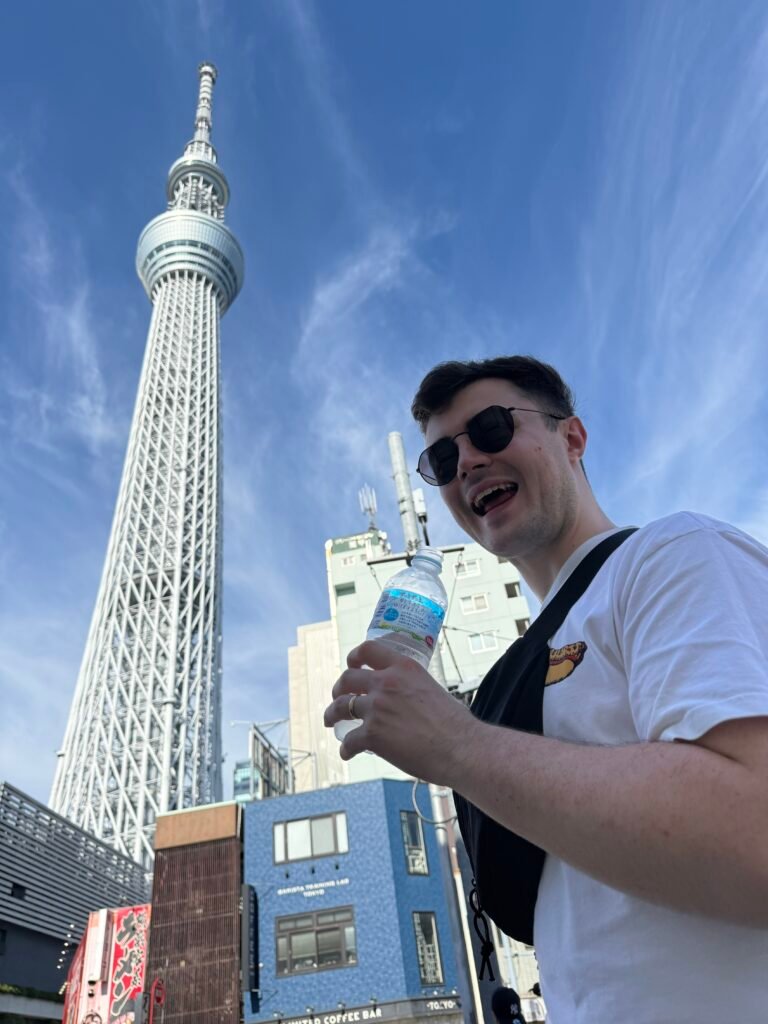
I hear the view from the observation deck is genuinely spectacular on a sunny day — and on a really clear day you can see all the way to Fuji, but we didn’t go up because we really just wanted to marvel at the structure itself (as always). Book in advance if you want the top deck, or do what we did and check out the mall at the base, enjoy loads of conveyer belt sushi at the Kura across the street, and wander around to the Oyokogawa Shinsui Park 5 mins away to enjoy the spectacle from a distance (a much cheaper and crowd free option).
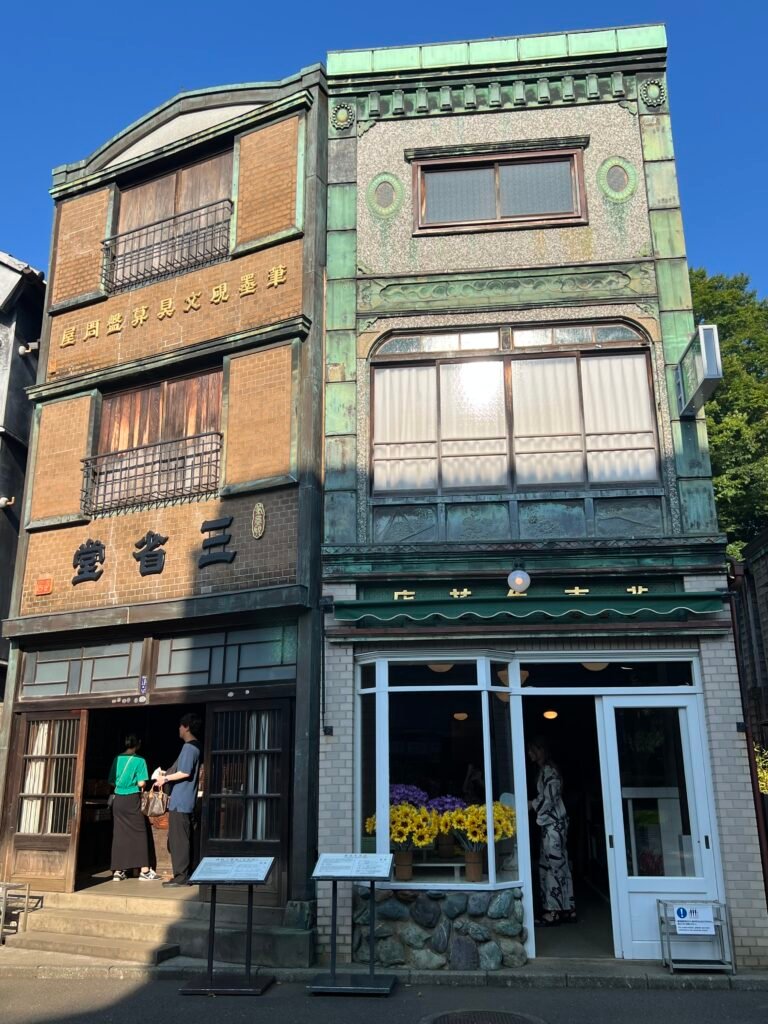
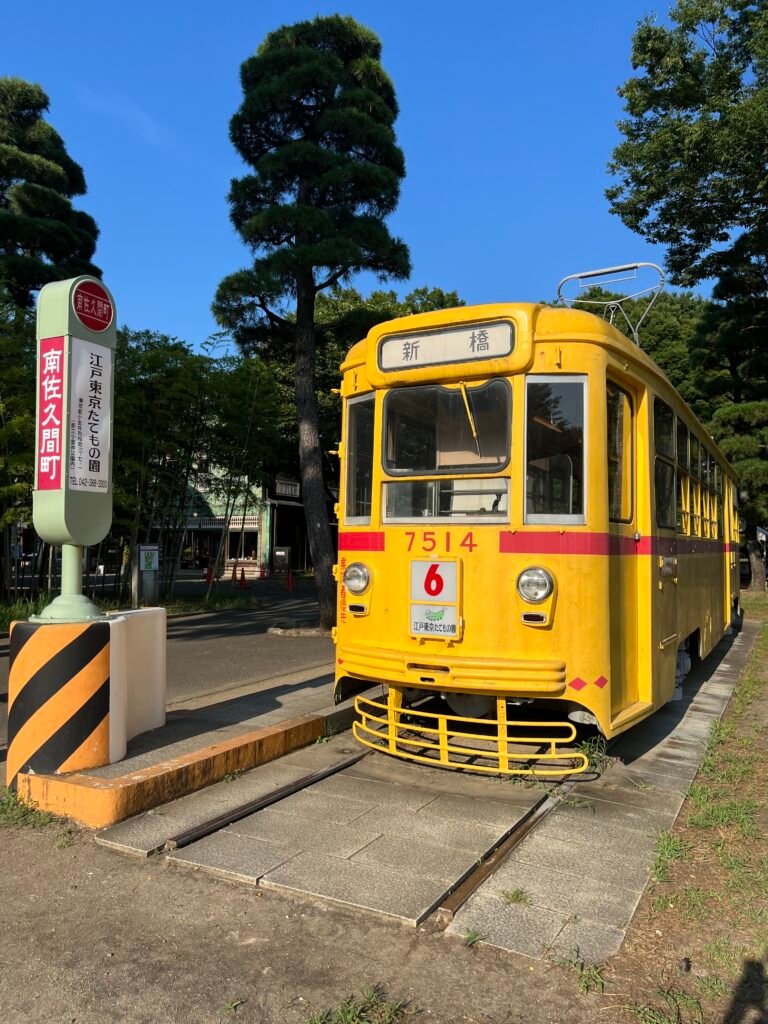
Edo-Tokyo Open Air Architectural Museum
An open-air museum in Koganei Park a little way out of West Tokyo, it has relocated and preserved dozens of historic buildings from the Edo, Meiji, and Taisho periods — merchant houses, a public bathhouse and a small-town barber shop. It feels like wandering through a film set, except everything is real. Go on a weekday if you can and combine it with a ramen stop in Ogikubo on the way back!
Neighbourhoods to Explore in Tokyo
Tokyo doesn’t really have a centre so much as a collection of very well connected distinct worlds. The best way to experience it is to pick an area, move slowly through it, and let it reveal itself. Each neighbourhood here is worth at least half a day — the outer ones closer to a full one.
Shibuya
Best for: shopping, people-watching, some of the city’s best bars
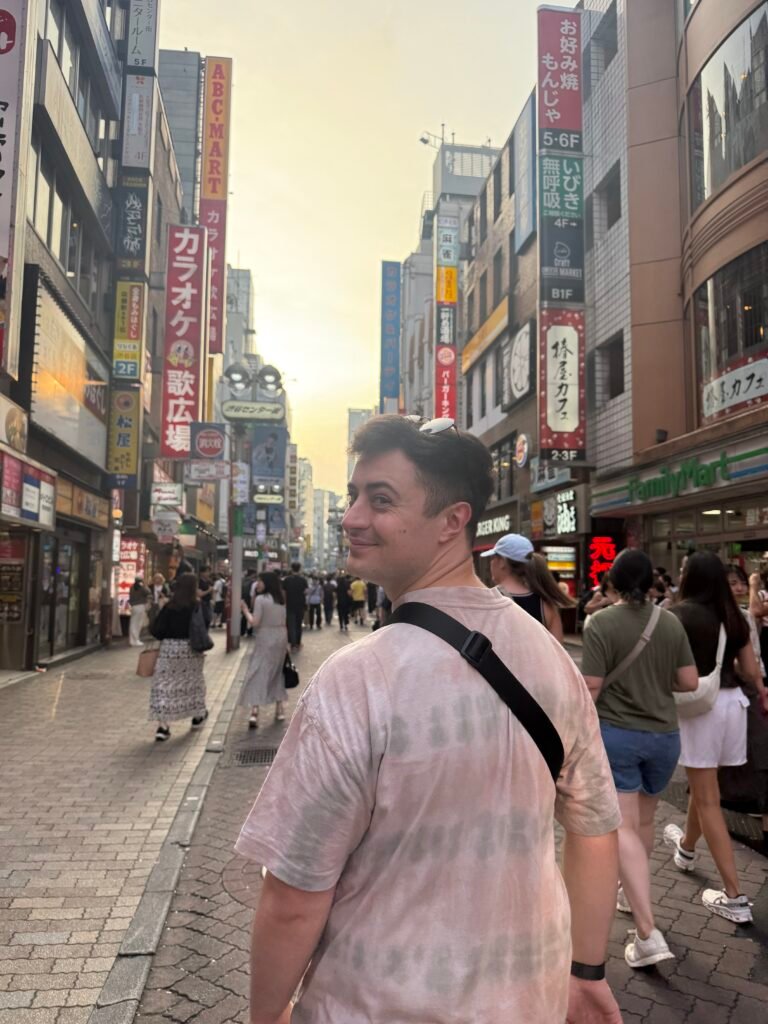
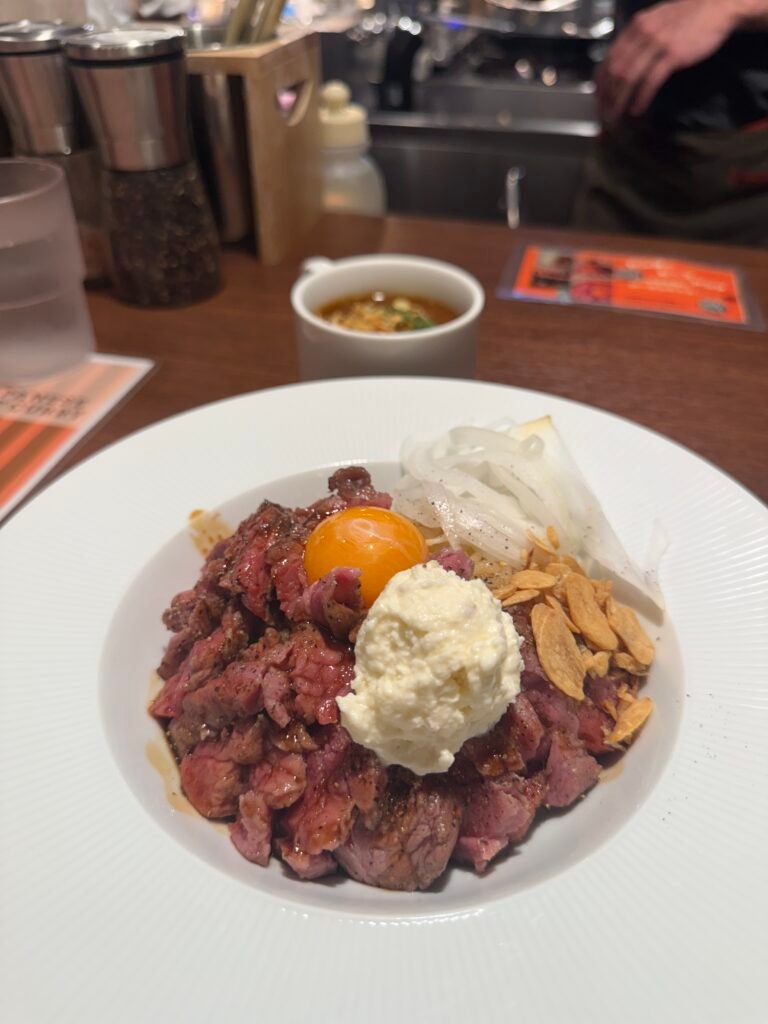
The crossing is iconic and should be done at least once: you can view it from the Starbucks overlooking it (and don’t feel like you have to buy a drink – most don’t). But Shibuya’s best version is found slightly off the obvious path: the Udagawacho area, the bar and restaurant zone around Dogenzaka, and the backstreets that bleed into Daikanyama. Maguro to Shari for excellent fish bowls, Center Beef for a plussed up beefy rice bowl and Tokiwate for lemon sours that you can get from a nifty (and dangerous) tap at your table.
Shinjuku: Omoide Yokocho & Kabukicho
Best for: everything, all at once, at full volume
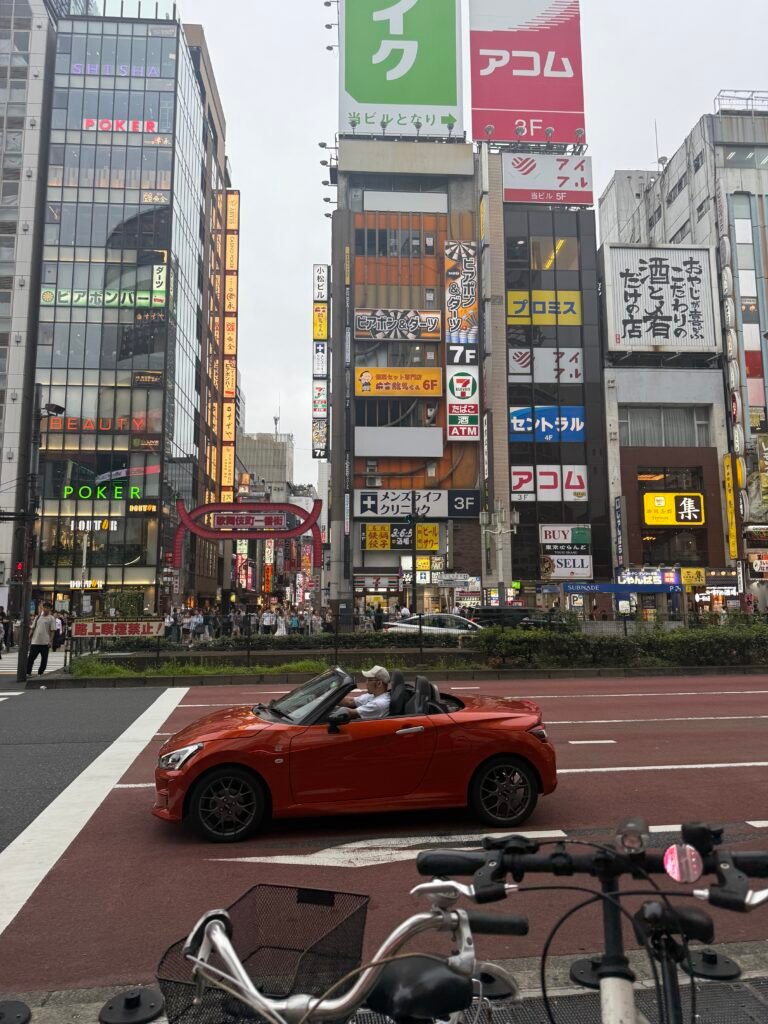
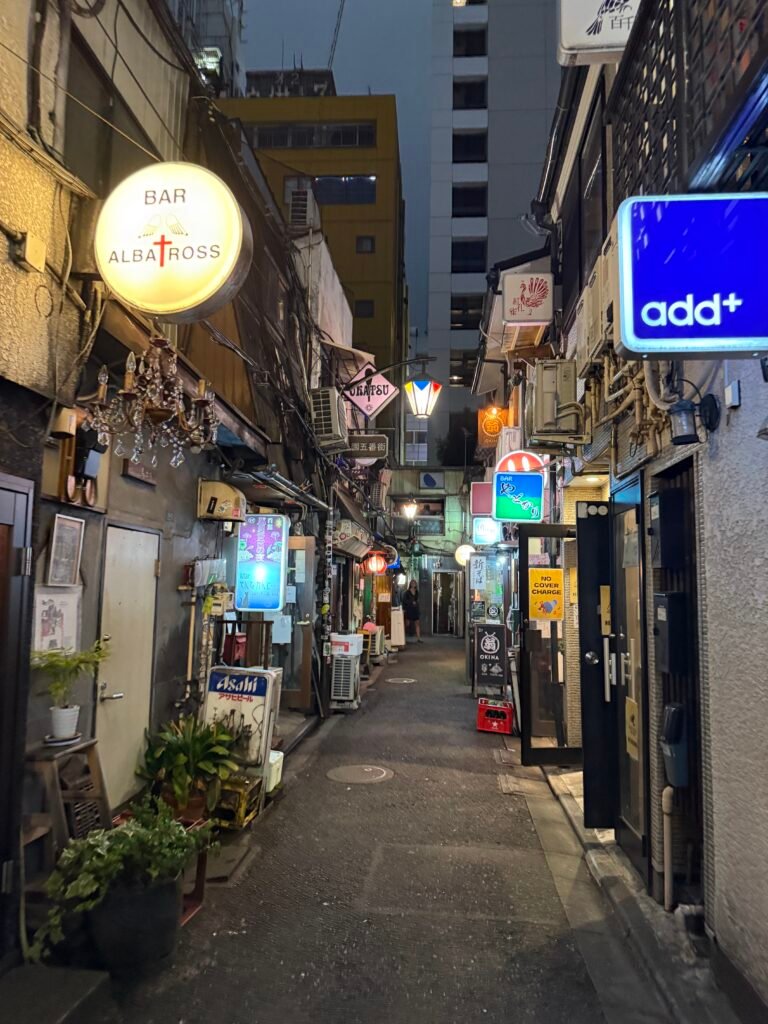
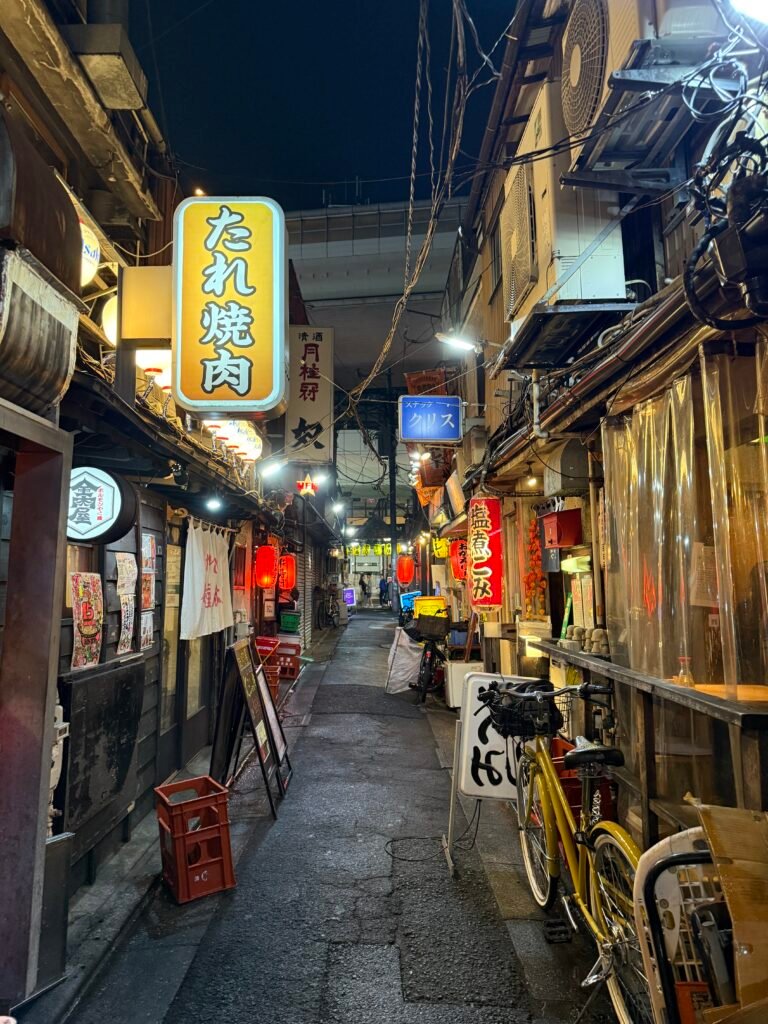
This place is wild, and arguably the engine room of the city — it’s relentlessly busy at all hours, impossible to exhaust, and home to more restaurants per square kilometre than almost anywhere on earth. Omoide Yokocho (Memory Lane) is non-negotiable: a narrow alley of tiny postwar yakitori stalls, smoky and chaotic and wonderful. The Golden Gai, a cluster of tiny bars each seating about six people, is the other essential — one of the strangest and most charming drinking experiences you’ll have anywhere in the world. For food: Mita Seimen for tsukemen, Kunugiya for cream udon with wagyu rice, Yamane Nikuten for a brilliant izakaya evening.
Asakusa
Best for: old Tokyo, temples, traditional crafts, a slower pace
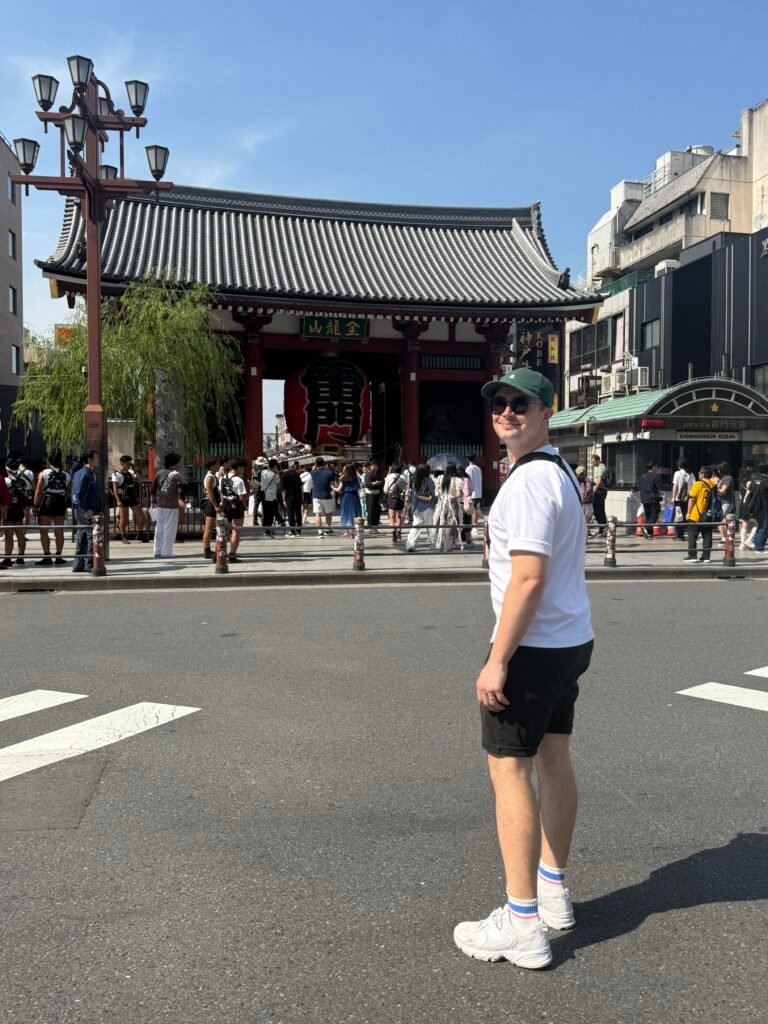
Where Tokyo keeps its old soul. Senso-ji anchors it, and while it is insanely touristy, it’s like that for a reason. It’s the most visited temple in Japan and still worth it, as long as you go early — but the streets around it are where the neighbourhood really rewards you. Nakamise for traditional snacks and crafts, the backstreets behind the main temple for smaller shrines and old shophouses, and the area around Kaminarimon for the kind of wandering that doesn’t require a plan. It’s much slower, quieter, and incredibly photogenic for your Instagram snaps.
Harajuku
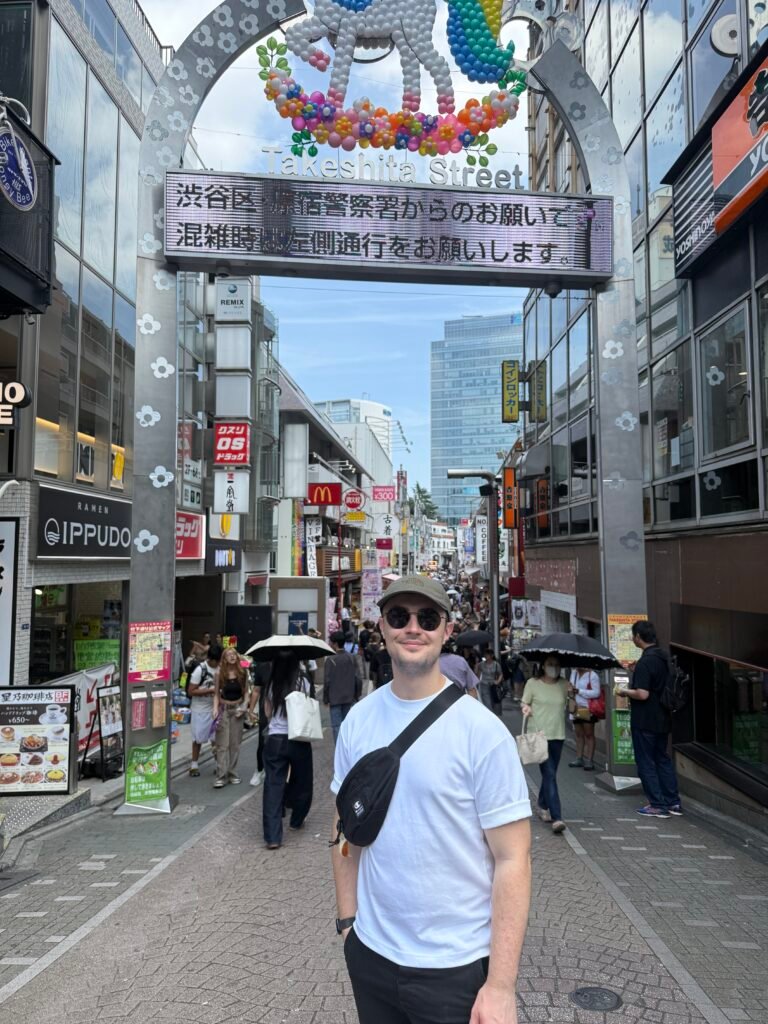
Best for: fashion, youth culture, people-watching, Takeshita Street chaos
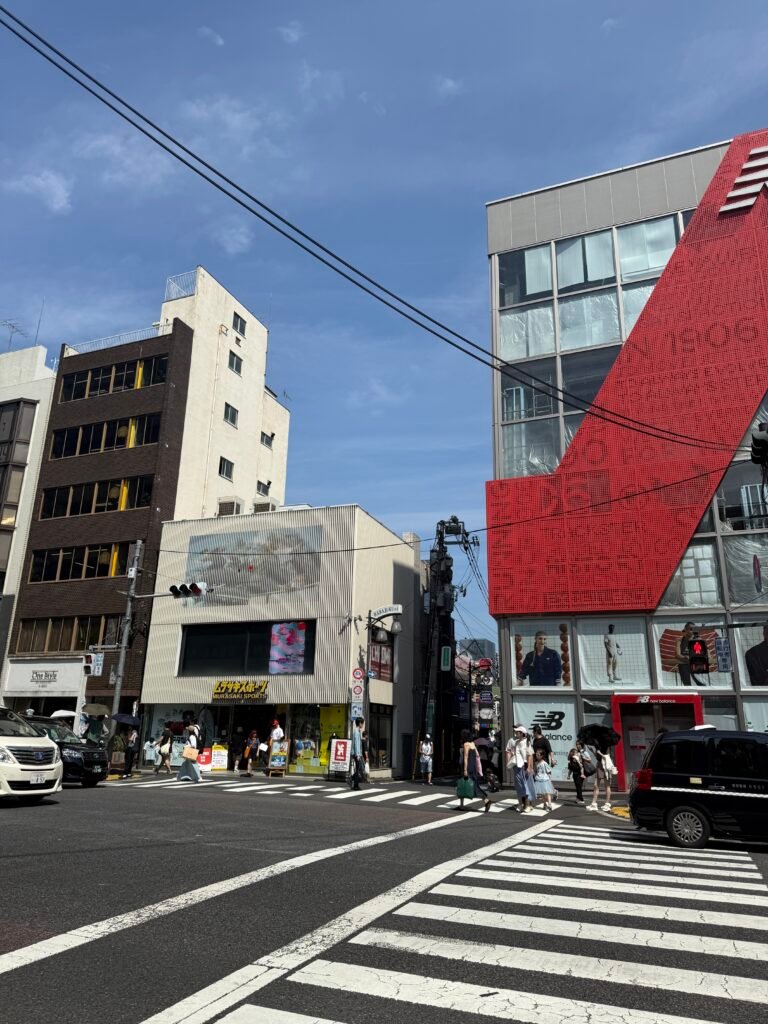
Harajuku is two things happening simultaneously. Takeshita Street is colourful, chaotic, very young, and worth a look even if it’s not your scene — the energy is extraordinarily fun. The rest of Harajuku, particularly the streets between Takeshita and Omotesando, is considerably calmer and has some of the city’s best independent fashion. Cat Street, which runs north from Omotesando through here, is the best shopping street in Tokyo for independent labels and interesting finds (I preferred it from Takeshita). Yoyogi Park is right next to Harajuku Station and on weekends fills up with picnickers, musicians, and a cross-section of Tokyo life that you simply won’t see anywhere else.
Omotesando
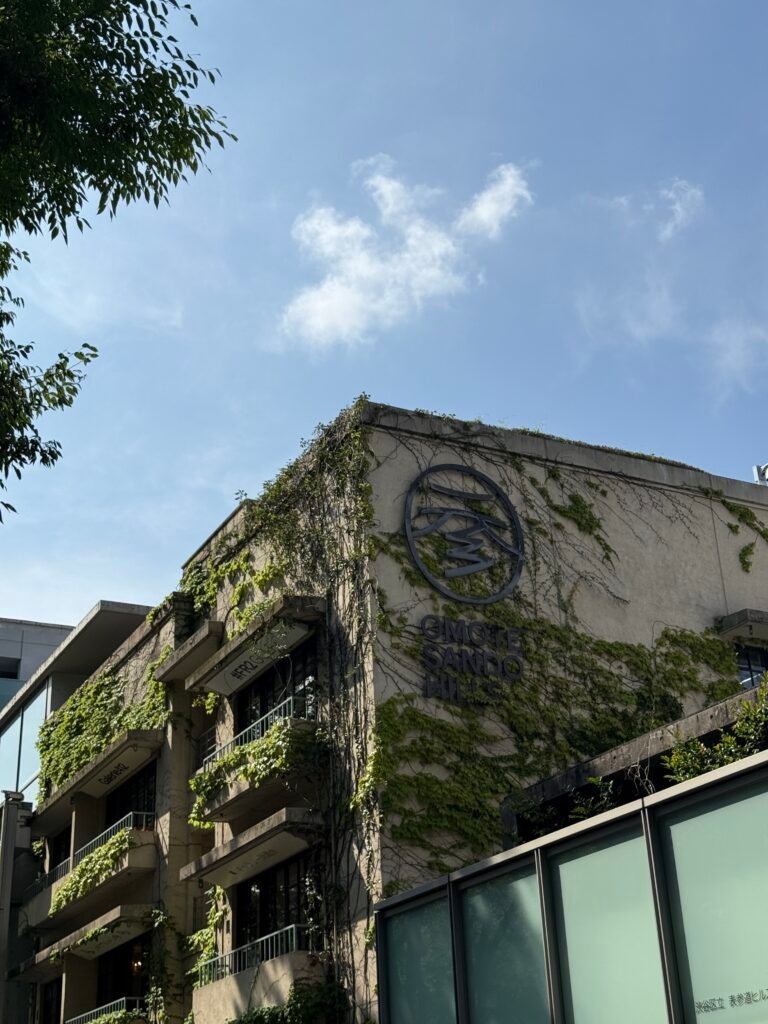
Best for: architecture, luxury fashion, concept stores, a very good tree-lined walk
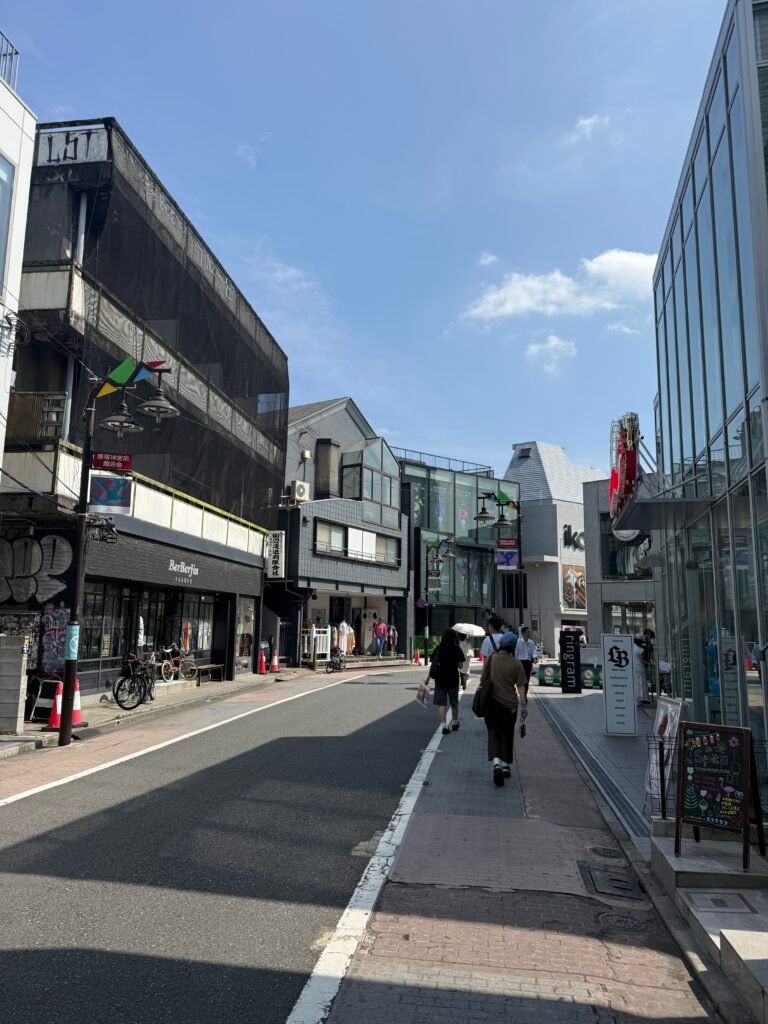
Ometosando is, simply put, drop dead gorgeous as far as neighbourhoods go. You’ll find a wide, tree-lined boulevard flanked by some of the most architecturally significant retail buildings in the world: Tadao Ando’s Omotesando Hills, Herzog & de Meuron’s Prada building, SANAA’s Dior. It’s worth walking through even if you’re not buying anything, purely for the architecture. The backstreets off the main avenue reward slow wandering and have a good density of excellent coffee shops and small restaurants too.
Ginza
Best for: luxury shopping, Itoya, architecture, Ginza Hachigou ramen
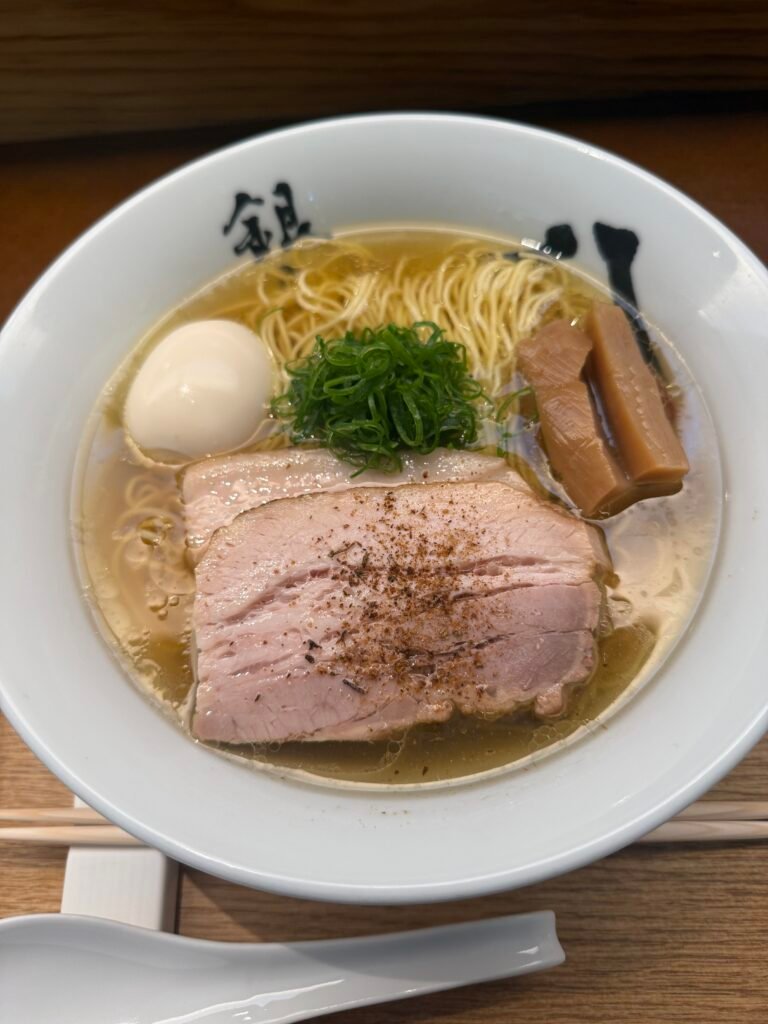
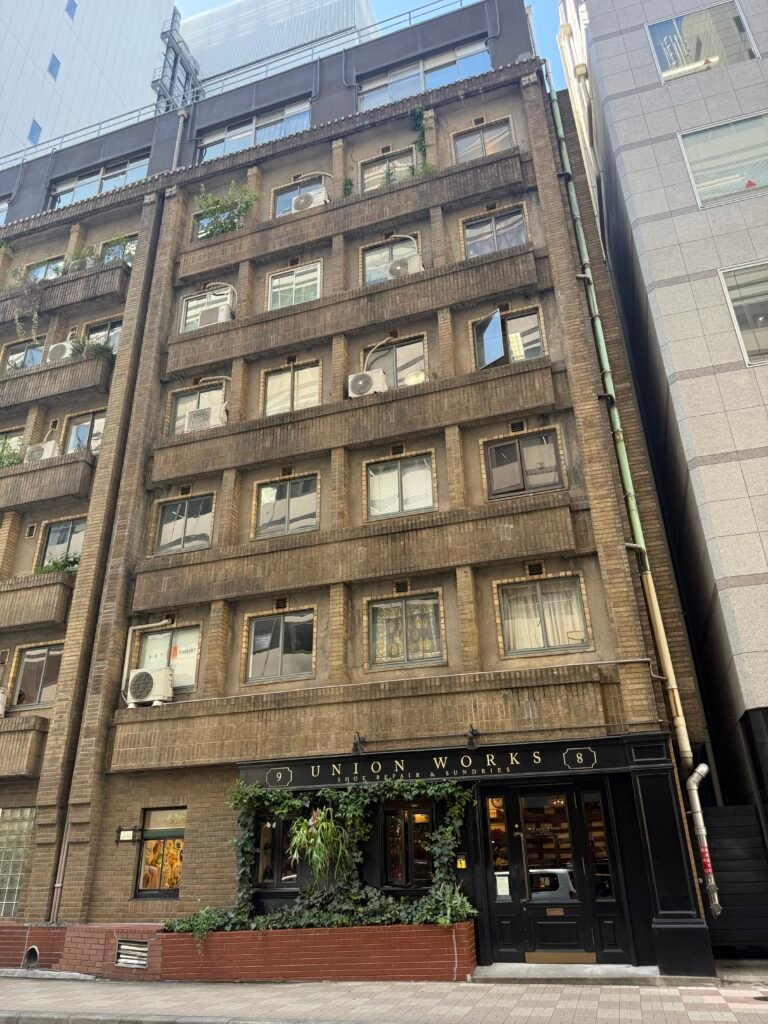
Tokyo’s answer to Mayfair — pristine streets, luxury brands, and a general air of being extremely well-dressed. Worth a walk for the architecture and window shopping regardless of budget. Ginza Six is genuinely impressive as a mall. Itoya, the nine-floor stationery emporium on Chuo-dori, is mandatory regardless of your feelings about stationery — you will leave with feelings about stationery. Ginza Hachigou for elite tier ramen that is, truly, one of the most refined bowls in the city.
Ebisu & Daikanyama
Best for: one of the best bookshops in the world, serious cocktail bars, elegant wandering
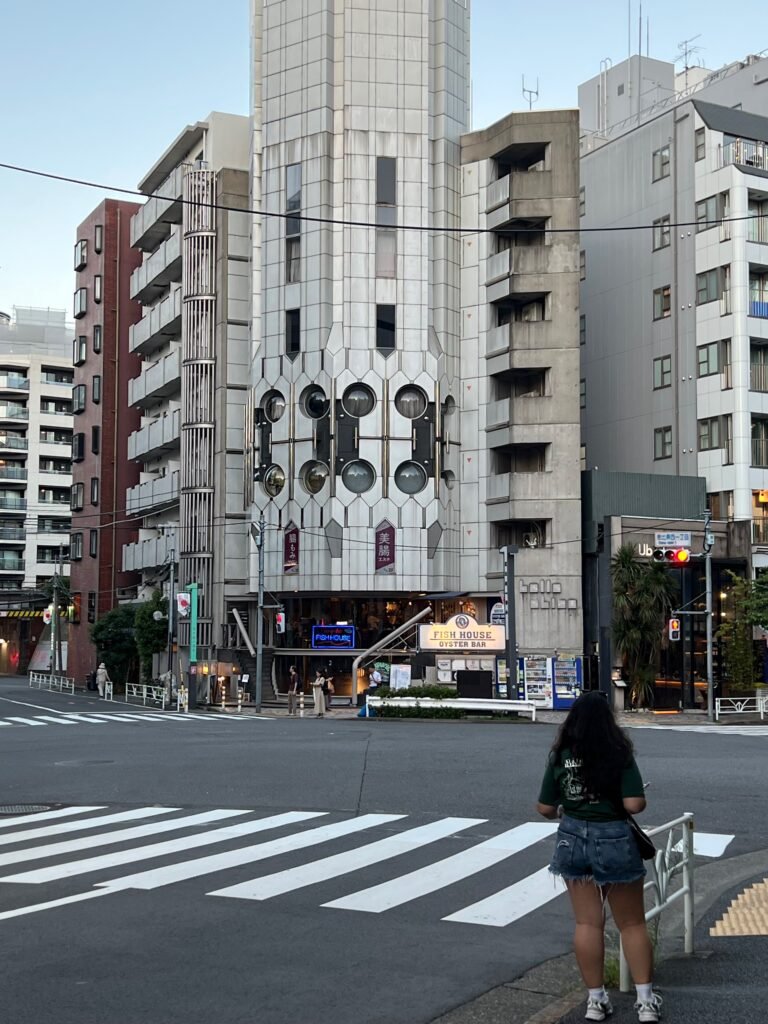
Ebisu and Daikanyama sit next to each other and together form one of the city’s most pleasant zones for an afternoon that drifts into an evening. Daikanyama is home to T-Site — a multi-building complex of books, music, and coffee that is one of the best retail spaces I’ve been in, full stop, and worth visiting even if you don’t buy anything. The Ebisu bar cluster is one of the best in the city: Bar Trench, Bar Tram, Bar Triad, and Flying Bumblebee are all within walking distance of each other and together make for a very good evening.
Akihabara
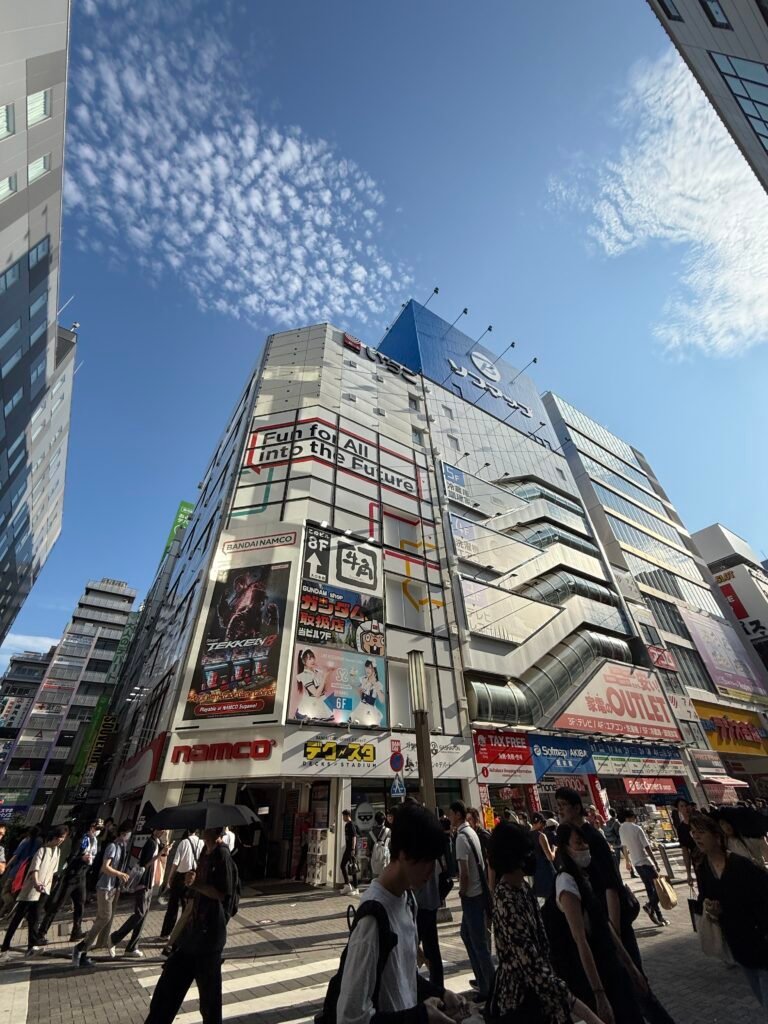
Best for: electronics, anime, manga, retro gaming, full sensory overload
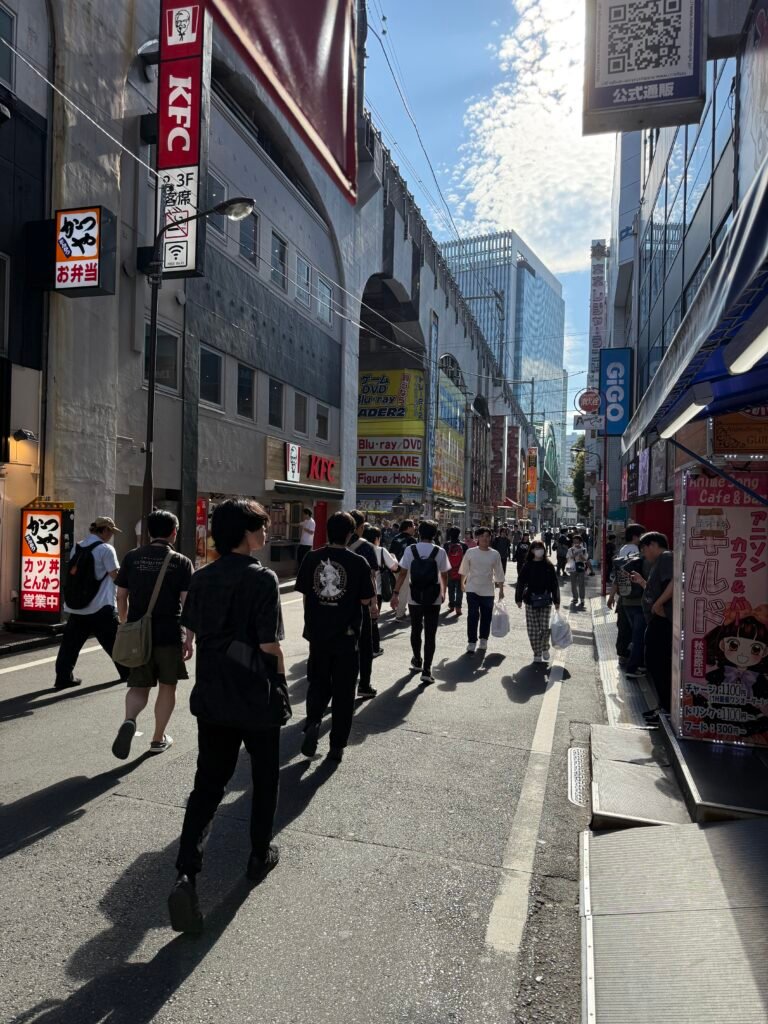
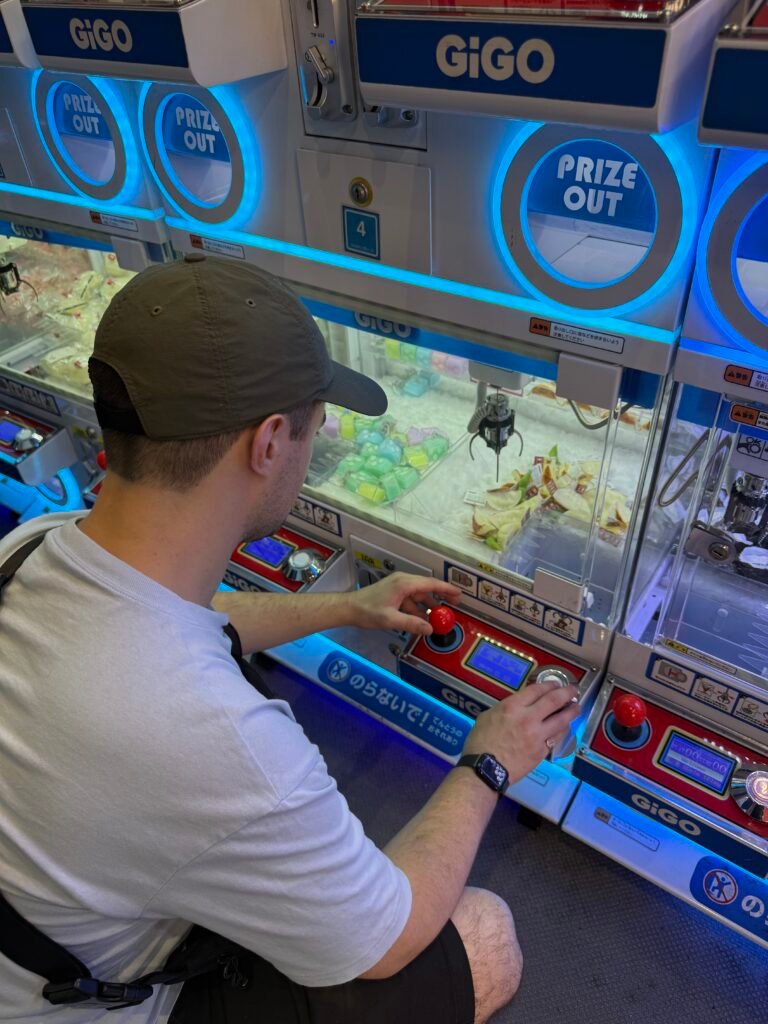
It’s either going to be your thing or it isn’t, but worth an hour regardless just for the spectacle. If electronics, anime, manga, retro games, and seven-storey arcade and hobby shops are your world, it will be paradise. If not, walk through and appreciate the dedication to the bit. The main strip (Chuo-dori) gives you the full experience in about twenty minutes; the side streets have the more specialist and genuinely interesting shops if you want to go deeper. Yodobashi Akiba is the electronics megastore if you need to buy anything tech-related — prices are good and the range is extraordinary. As a 31 year old woman, I very much enjoyed spend hours in Namco and Gigo playing video games.
Ueno
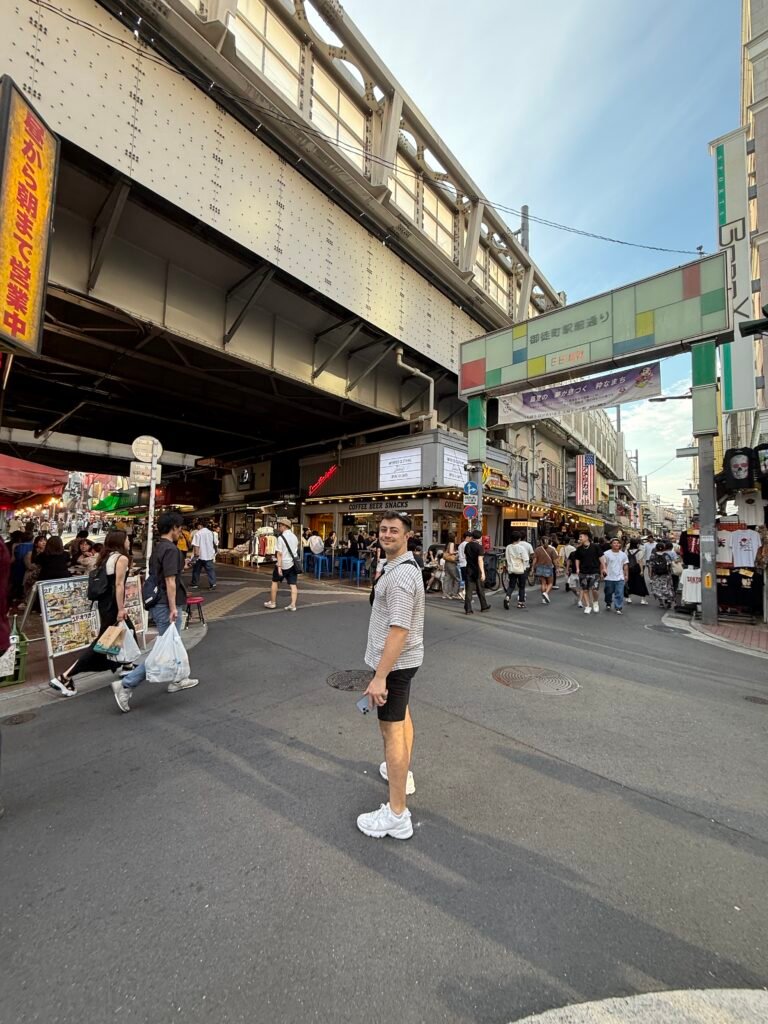
Best for: museums, parks, Ameyoko chaos, a full cultural day
Best treated as a dedicated museum and park day, with a surprisingly fun night scene available if you so choose. The concentration of good cultural institutions is hard to beat — Tokyo National Museum, Tokyo Metropolitan Art Museum, and the National Science Museum all within a short walk of each other. Ueno Park sits between them and is lovely for a wander, especially during cherry blossom season when it becomes one of the city’s great hanami spots. Ameyoko Market, running along the elevated train tracks at the southern end of the park, is chaotic, cheap, and full of good food — a completely different energy to the museum district and worth spending an hour in as a counterpoint.
Ikebukuro
Best for: department stores, otaku culture, excellent ramen, the west side of the city
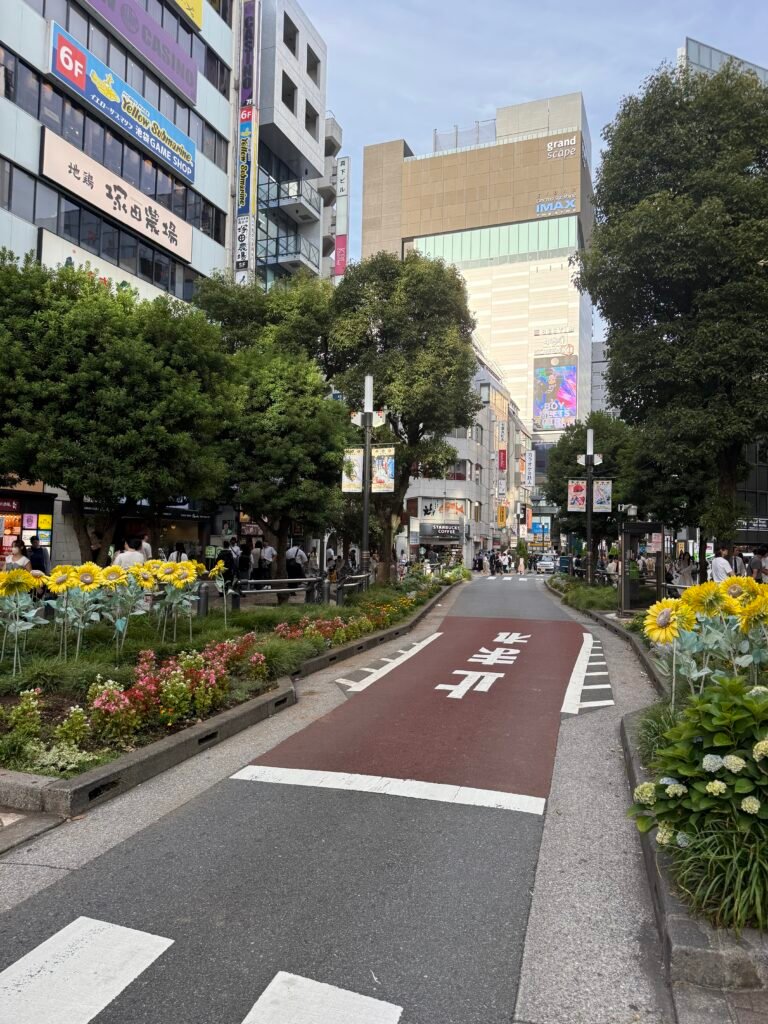
Shinjuku’s less-heralded northern counterpart — and better for it in several respects. As soon as you step out of the station, you’ll see the giant Sunshine City: a vast commercial complex at the eastern end, containing an aquarium, a planetarium, and a shopping mall in a single building, which tells you something about the scale. The otaku scene here is also really strong and fun to witness — Animate’s flagship store and several substantial manga and hobby shops make it a legitimate alternative to Akihabara for anime culture. I’d say department store culture reaches its peak here — Seibu and Tobu, two of Japan’s largest, face each other across the station and between them contain entire floors dedicated to food halls that are worth a visit on their own terms.
Shimbashi
Best for: salary-man drinking culture, old-school izakayas, a completely unfiltered version of Tokyo
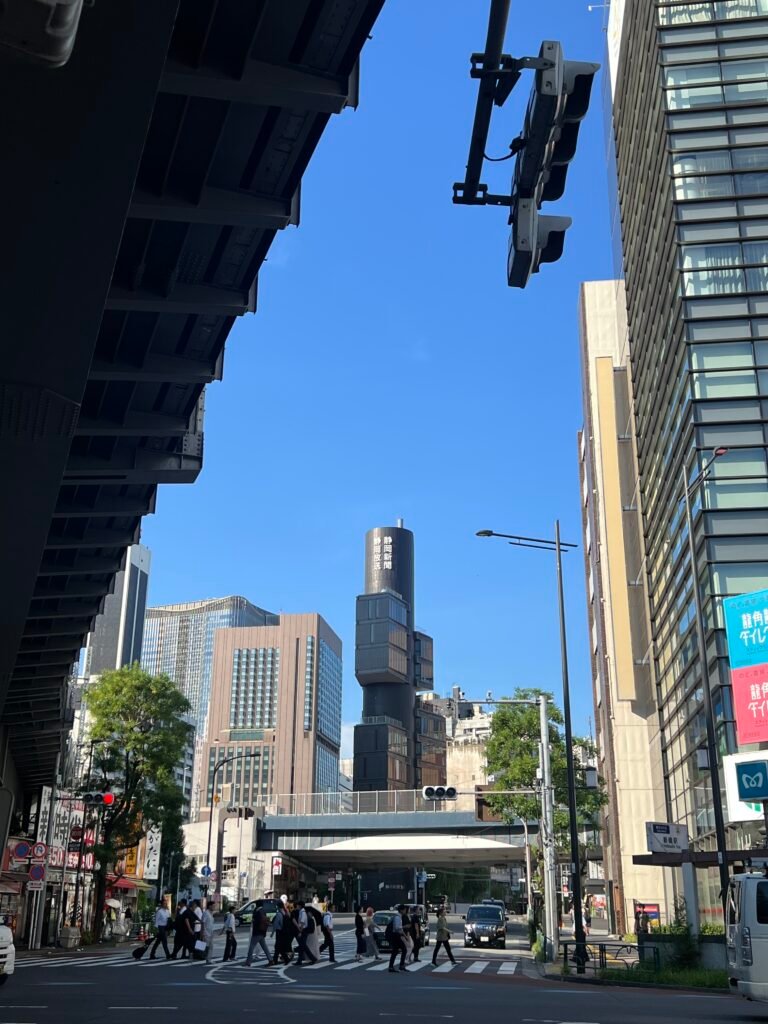
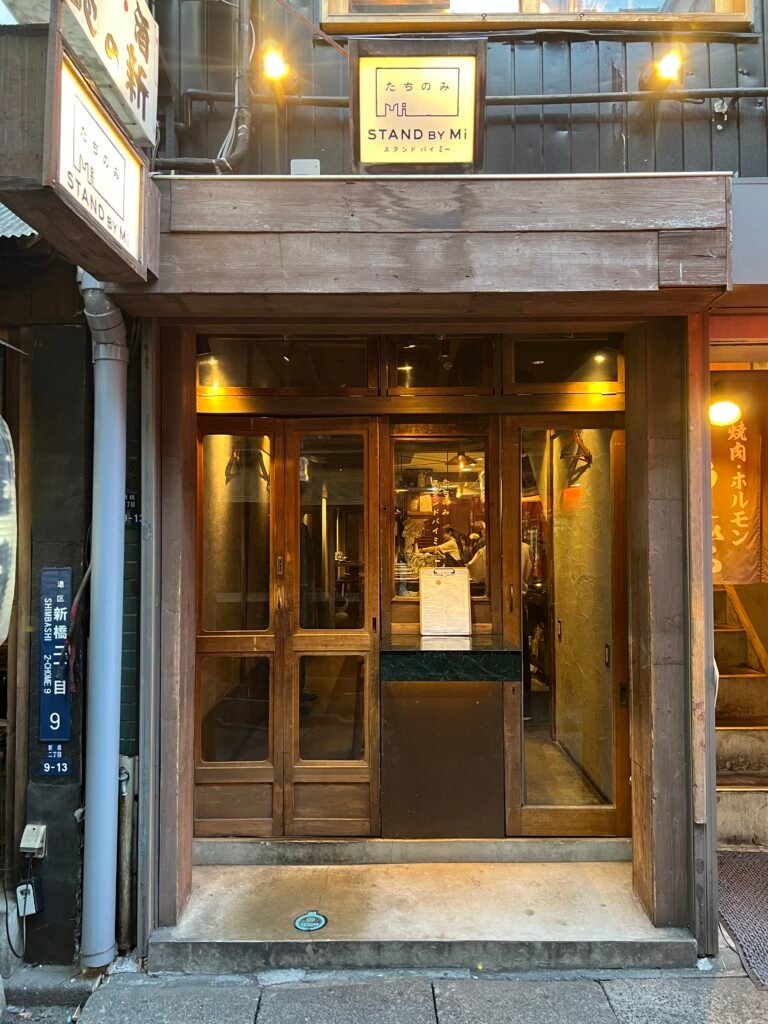
The spiritual home of the Japanese salary-man — and one of the most unpretentious places in Tokyo to have a night out. We went 3 times immediately after discovering it. The area around Shimbashi Station and the alleyways behind it fill up from early evening with people in suits who have been working since seven in the morning and are extremely serious about the next few hours. Shimbashi SL Square and the surrounding yokocho lanes are packed with standing bars, cheap yakitori, and izakayas where no one is performing anything for anyone. It has none of the polish of Ginza — which is twenty minutes’ walk and a completely different world — which isn’t a bad thing. Go hungry, order whatever’s grilling, and trust the process. Hopefully, you’ll be lucky enough for a group of curious salarymen to take you under their wing on their night out, or at least ask you where you’re from and strike up a conversation.
Monzen-Nakacho
Best for: old-school Tokyo feel, good izakayas, canal walks
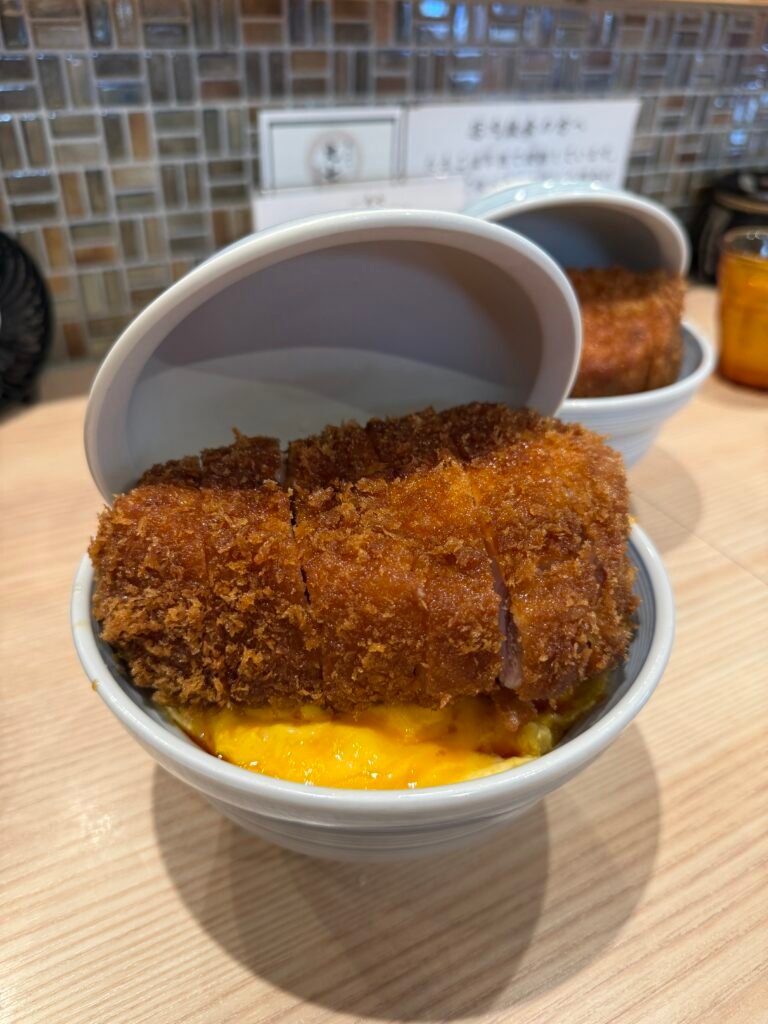
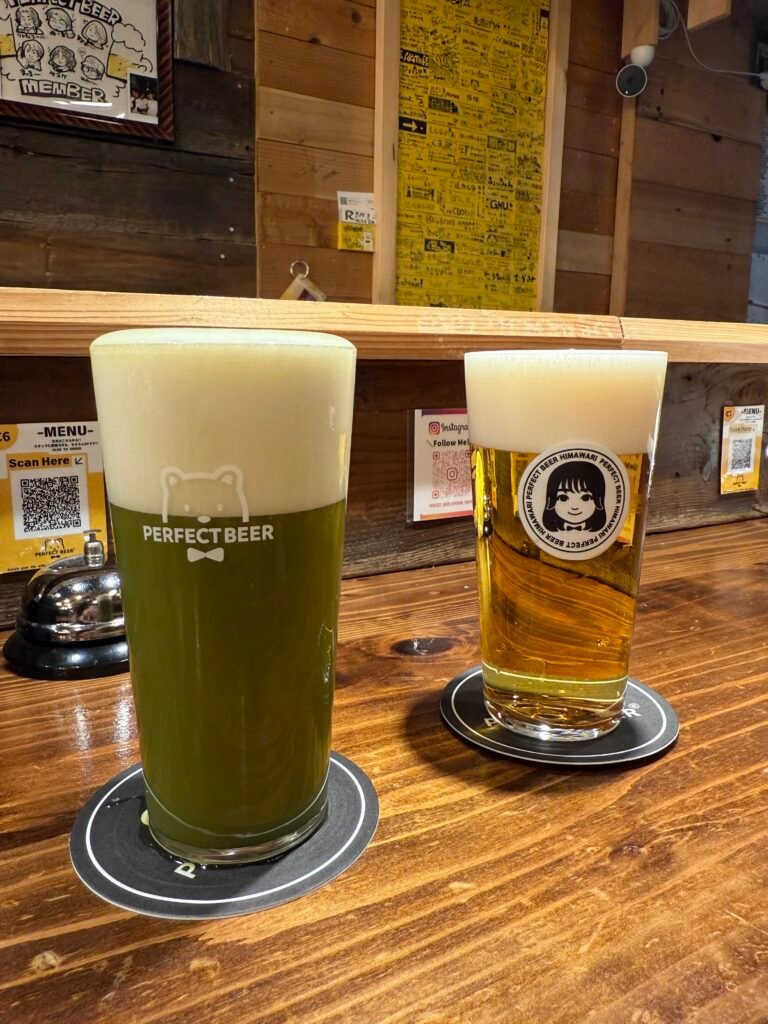
Working-class, old-school Tokyo energy that’s home to a famous shrine (Tomioka Hachimangu), canal walks along the Onagi River, and a concentration of genuinely good izakayas that feel like they’ve been there forever because most of them have. I’d really recommend going to Tonkatsu Maruschichi for the best tonkatsu you’ll have… and the incredible “Perfect Beer” is also very near, which is a must try for any beer connoisseur.
Kanda
Best for: kaisendon, a historic neighbourhood, the crossroads of several good food spots
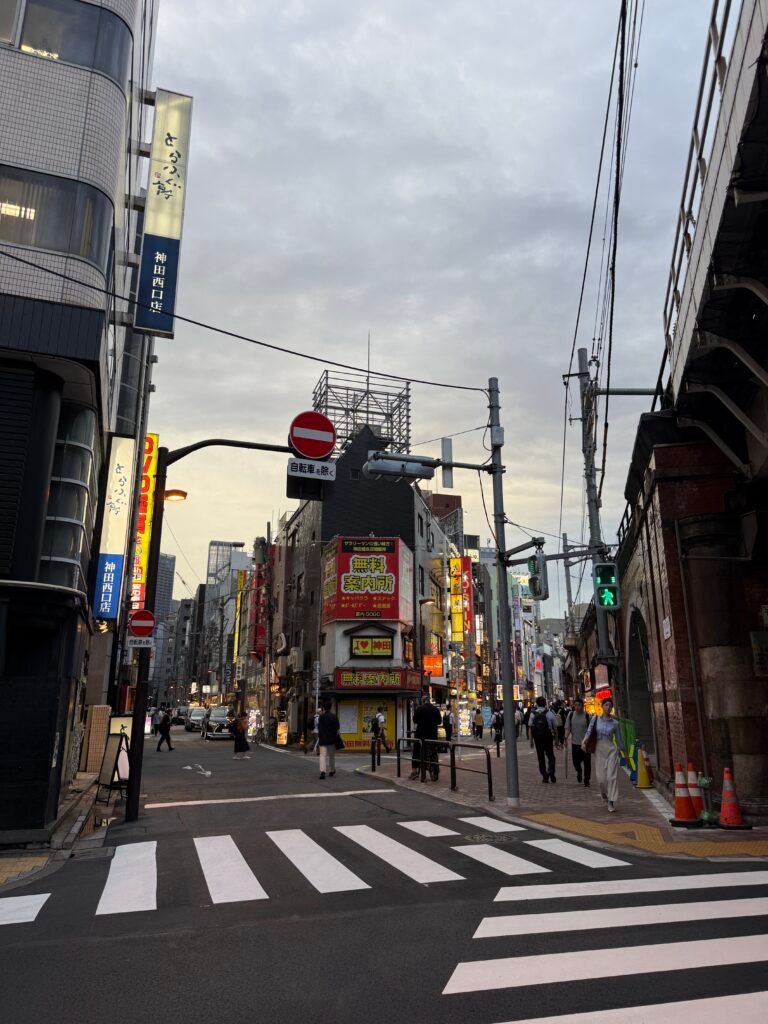
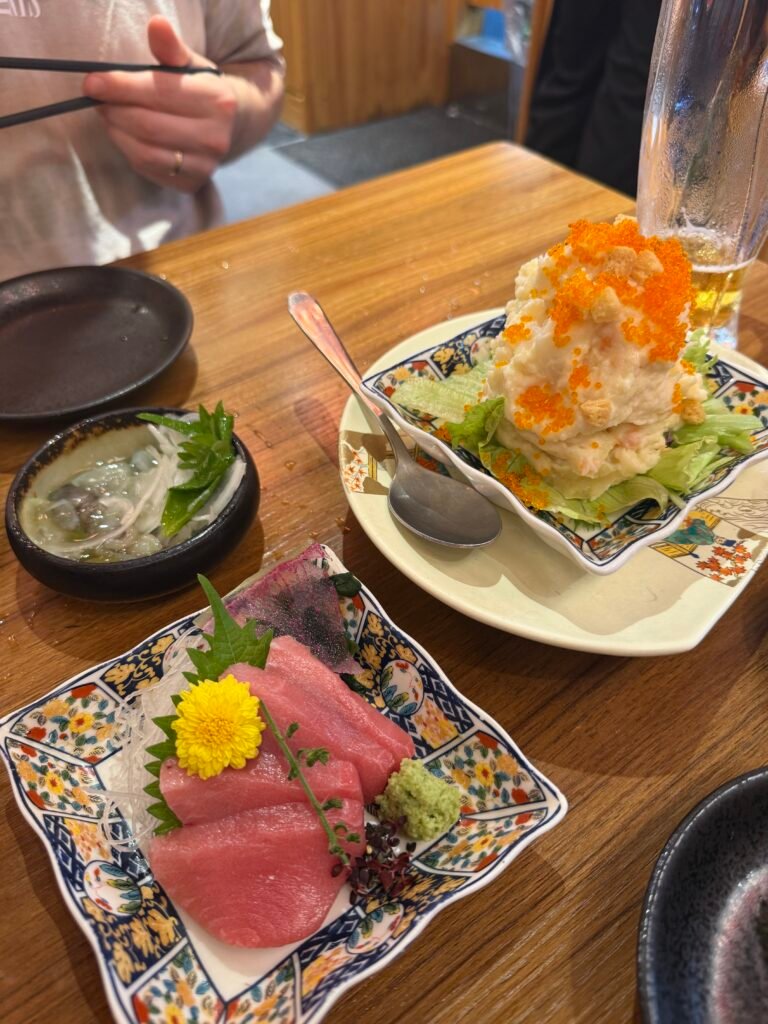
Often overlooked in favour of the flashier areas on either side of it, but worth knowing — especially for food. The area also has a good density of old-school Tokyo character, with some streets that have barely changed since the postwar era. A fantastic night out, especially since it houses our favourite independent izakaya in the city, which is hard to find on a map but comes up if you type “Kanda Seafood Sushi Tuna Fishing Port” into Google. That’s how lowkey it is. Thank me later, and don’t tell too many people!
Nakano
Best for: retro toys, manga, a more navigable alternative to Akihabara
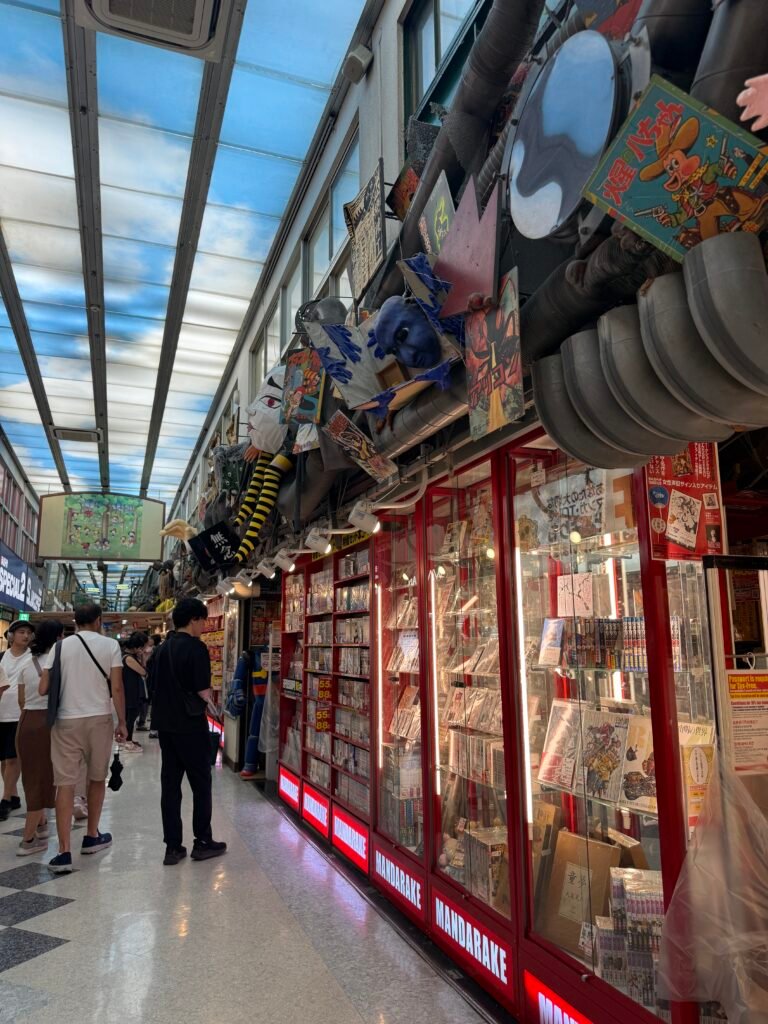
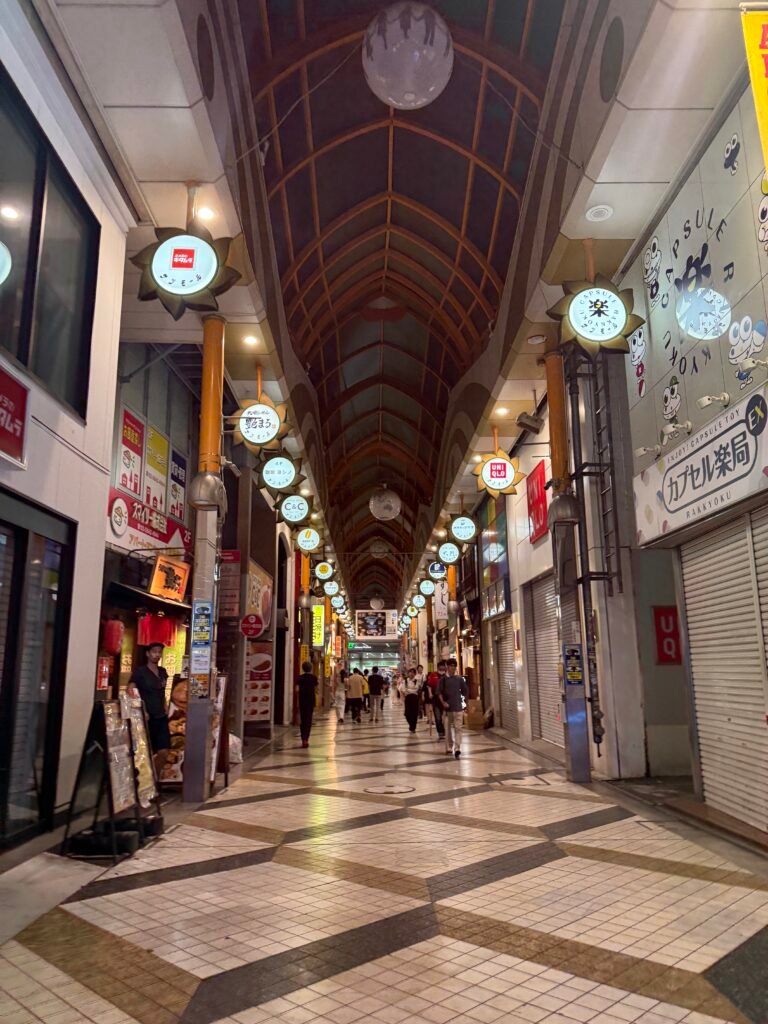
A cute neighbourhood that also happens to house Akihabara’s more contained and slightly less overwhelming cousin – a single shopping complex called Nakano Broadway rather than an entire district, dedicated to vintage toys, retro games, figurines, manga, and specialist hobby goods. If designer and vinyl toys specifically are your thing, there’s a store for that called 2000TOYS. The surrounding Nakano area also has a warming local neighbourhood feel that’s a pleasant contrast to the slightly intense shopping complex at its centre – there’s also a LOT of great ramen spots here. “japaneat.gram” on instagram has you covered for that.
Shimokitazawa
Best for: vintage shopping, live music, independent cafés, the most human version of Tokyo
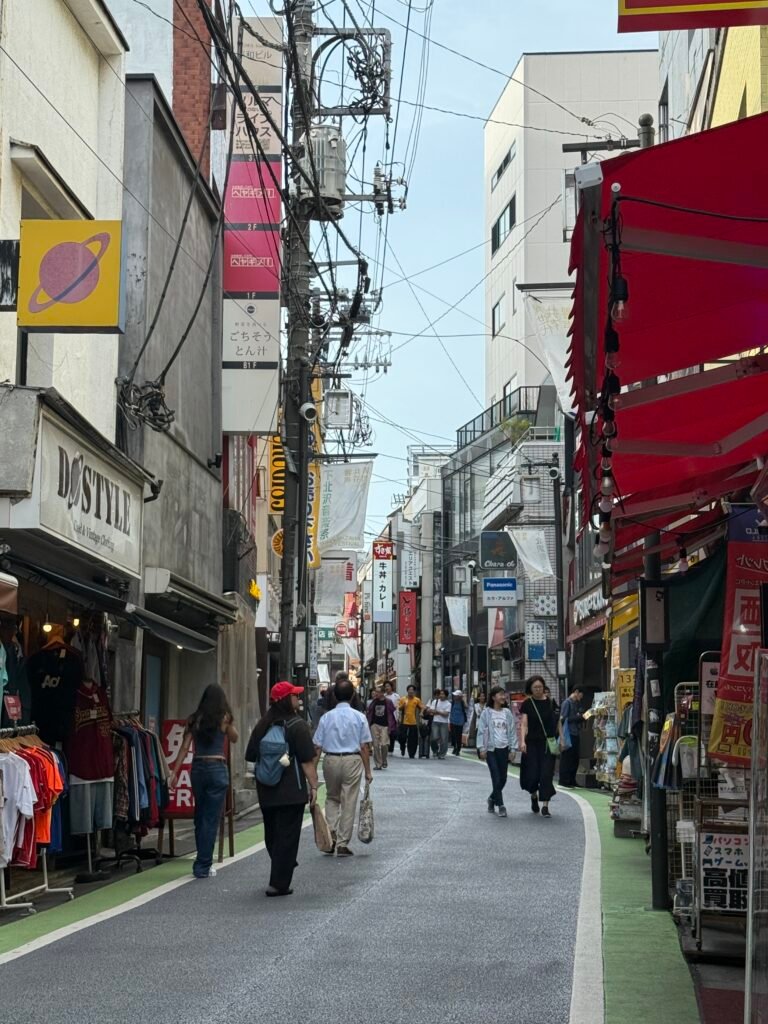
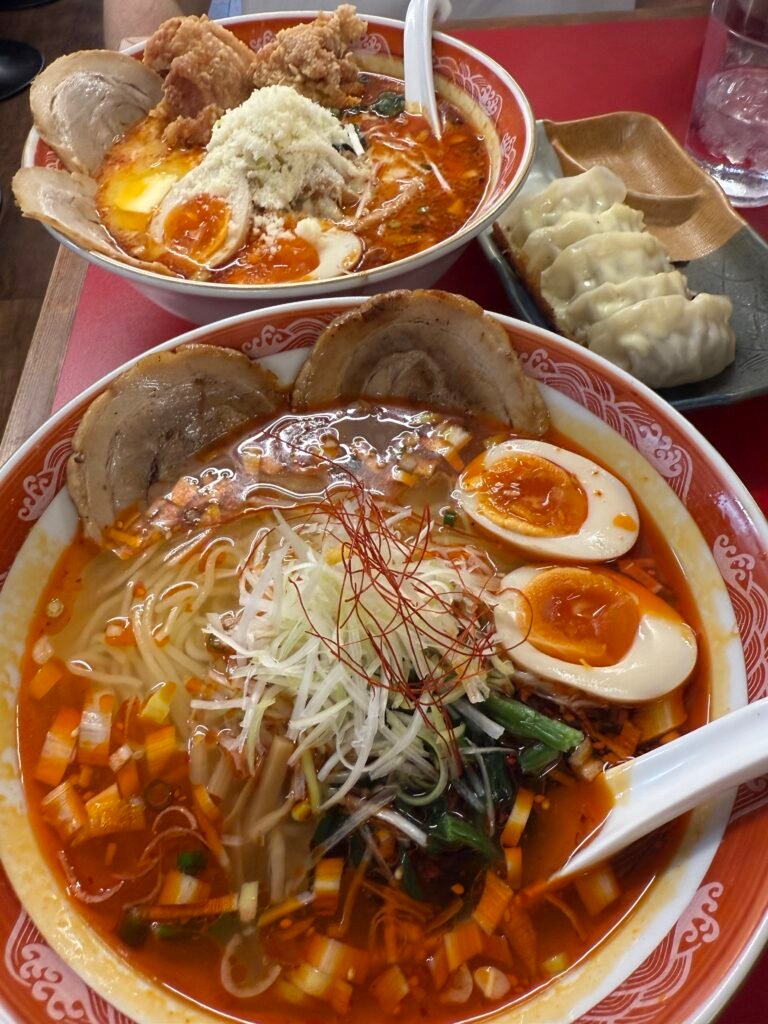
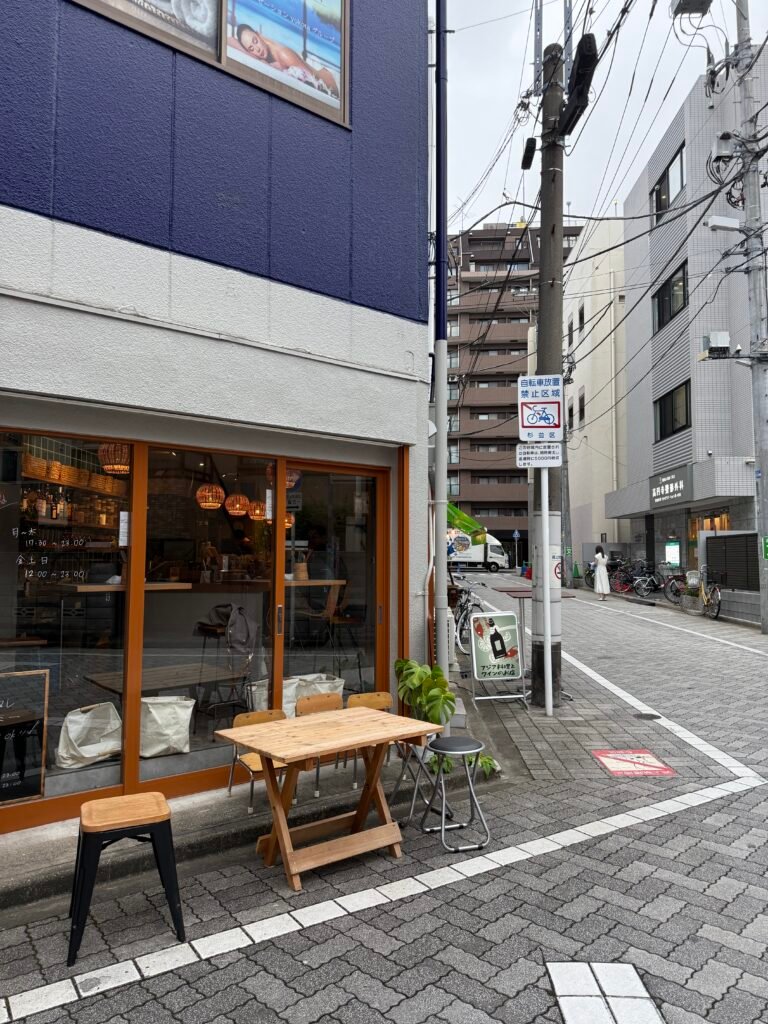
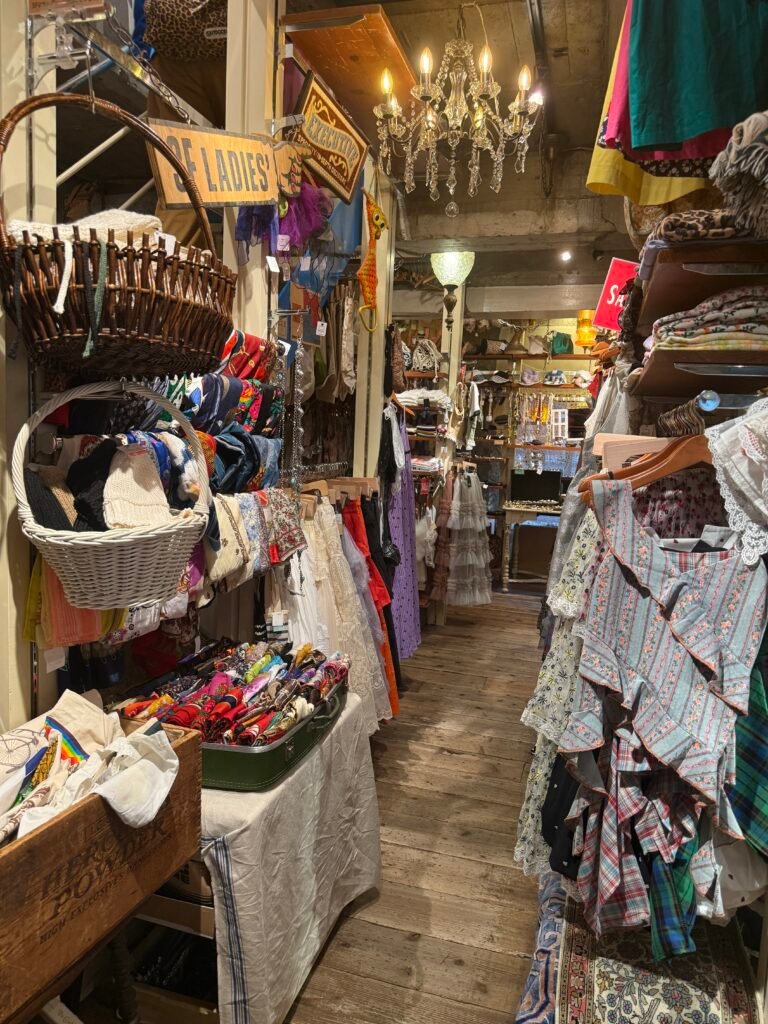
This is the place I dream of moving to. It’s creative but a little dorky, sophisticated but a little edgy, and slightly chaotic in a good way — there are dozens of vintage clothing shops sprinkled about, loads of small live music venues, minimalist independent cafés, amazing ramen spots, and super cosy izakayas where the owner knows everyone’s name. There’s a genuine neighbourhood energy that holds up over multiple visits in a way that the more polished areas don’t always manage.
Sangenjaya
Best for: a proper local night out, good izakayas, feeling like you’ve actually found something
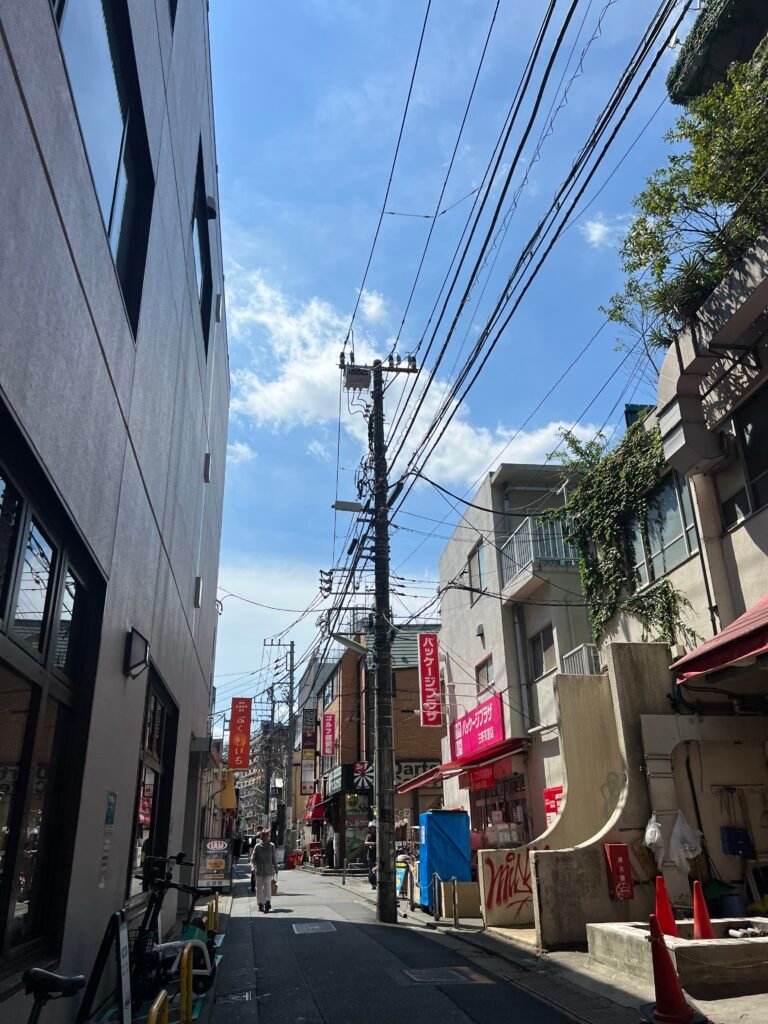
A local favourite that the tourists haven’t quite reached yet, and long may that last (I know it’s ironic that I say that, but let’s be real: tourists hate tourists too). It’s got a lived-in neighbourhood energy with great vintage spots and coffee, good izakayas, cheap drinks, and delicious scran. One of those areas where being slightly lost is the entire point.
Gotokuji
Best for: the original cat shrine, a genuinely quiet afternoon, zero tourist pressure, hello kitty trains going by
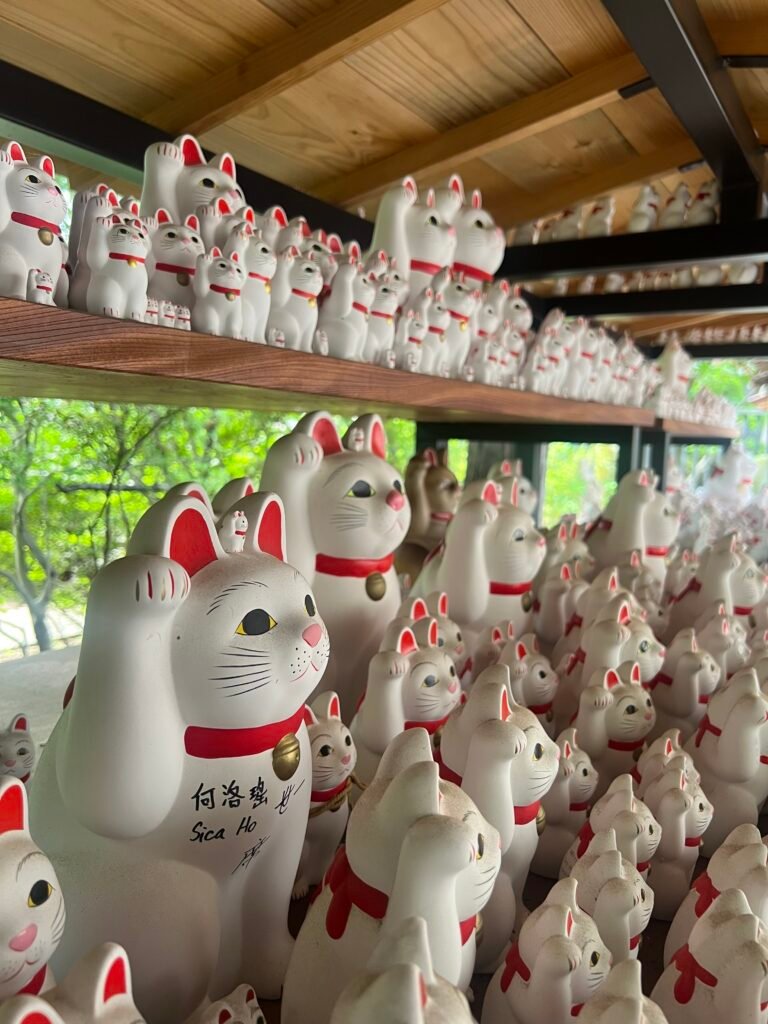
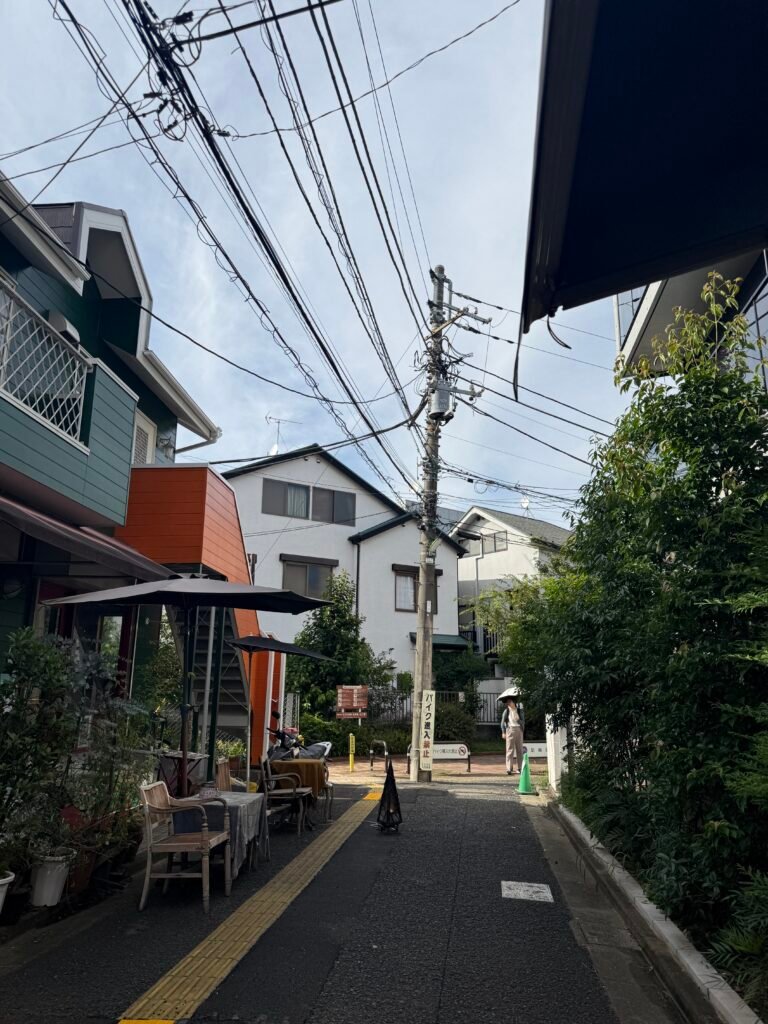
A fun little town, and not only for the cat shrine — though the cat shrine, home of the original maneki-neko (beckoning cat), is genuinely lovely and surprisingly serene. At the temple, you’re going to find hundreds of heartbreakingly cute ceramic cats in different sizes clustered around the main hall, and people leaving small offerings. The surrounding residential is quiet and residential and gives you a glimpse of daily Tokyo life entirely removed from the tourist circuit. A good half-day if you’re staying nearby, or a pleasant detour on the way to or from Shimokitazawa (which is what we did).
Koenji
Best for: vintage shopping (arguably the best in Tokyo), exceptional coffee, underground energy
I’d say Koenji gives Shimokitazawa a run for it’s money, and for serious vintage hunters I’d argue that it’s actually superior in some ways. The concentration of good shops is extraordinary: Slat, Tatouage, BIG TIME, Furugishu Otora, Sokkyou, Super Old, Hayatochiri, and Atlantis Vintage Tokyo are all within walking distance of each other and all worth time. The coffee is excellent — Walnuts Coffee, Coffee Amp, Moewe Coffee Roasters, and Jules Verne Coffee for the fruit sandwiches that are worth the journey specifically. It has a slightly more underground feel than Shimokitazawa and sees considerably less tourist traffic, which I consider a point in its favour.
What to Eat in Tokyo
Tokyo has more Michelin stars than any other city in the world. It also has the best conveyor belt sushi chains, the best convenience store onigiri, and the best vending machine coffee. I miss you Japan. Anyway, the genius of the city’s food culture is that the commitment to quality operates at every price point simultaneously — a ¥600 bowl of ramen from a chain can be genuinely excellent in a way that a £6 bowl of anything in London simply cannot.
Dishes to Try in Japan
Don’t leave without having properly tried these — and by properly I mean not from the first tourist-facing place you stumble into:
- Sushi — Both sit-down counter and conveyor belt versions are worth doing. They are genuinely different experiences.
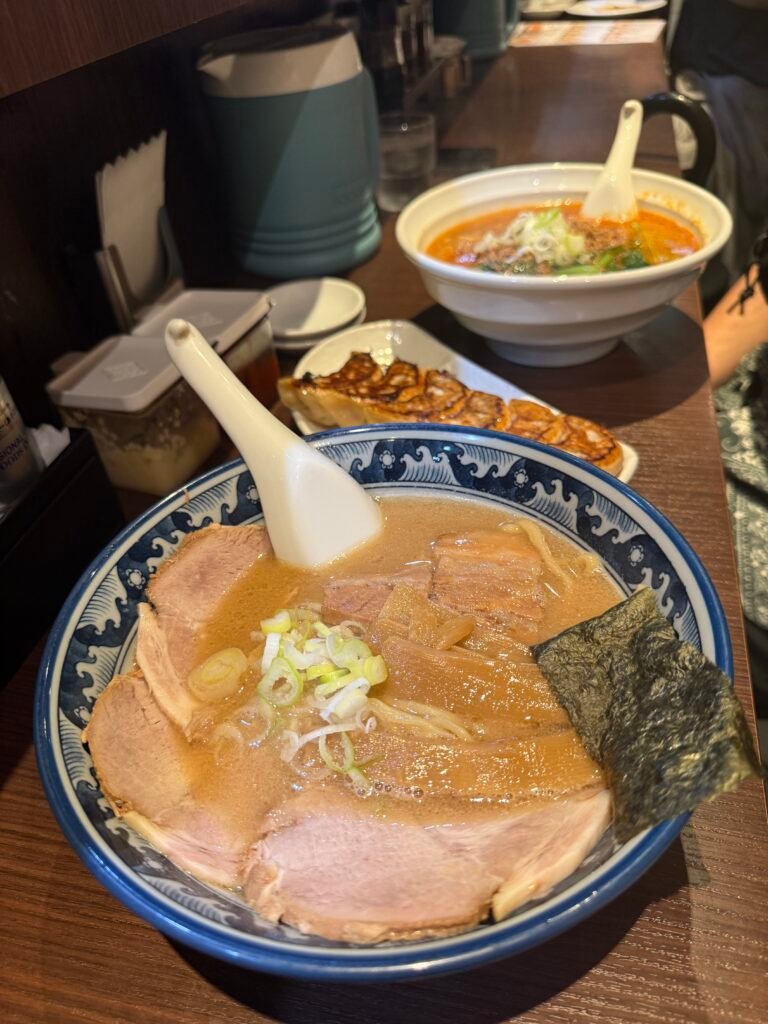
- Ramen — Tokyo-style shoyu (clear soy broth) is different to the Hakata tonkotsu or Sapporo miso you may have tried before. All regional styles are worth exploring and are abundant across the city.
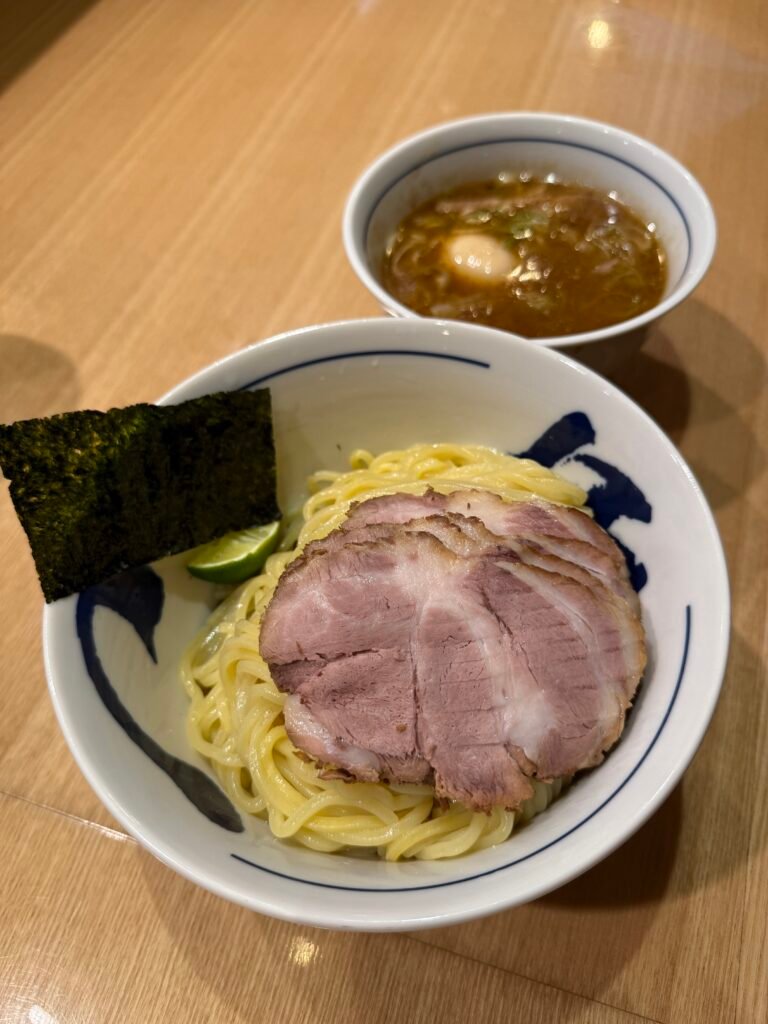
- Tsukemen — Dipping ramen, noodles and concentrated broth served separately. The perfect starting point is at Tsujita, which is a chain that does it painfully well.
- Udon — Thick, bouncy wheat noodles that’ll change your life (especially when made fresh).
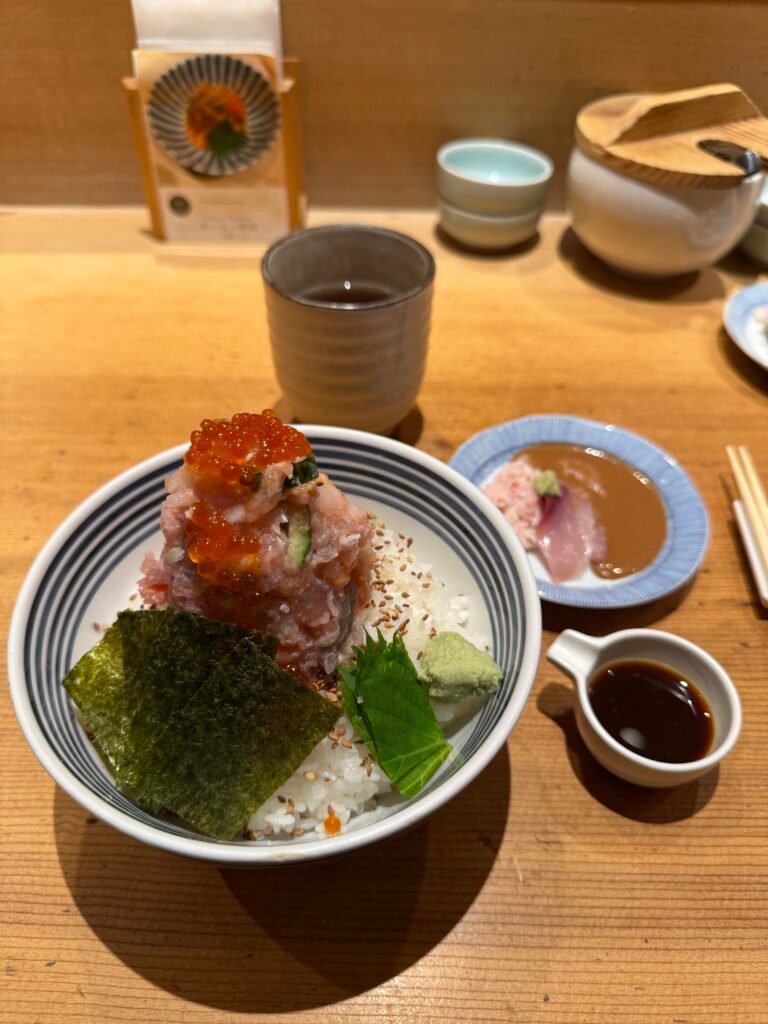
- Kaisendon — Seafood rice bowl. Tsujihan in Kanda is awesome.
- Tempura / Tendon — Things fried with a surprisingly light batter atop a bowl of rice (tendon) or à la carte.
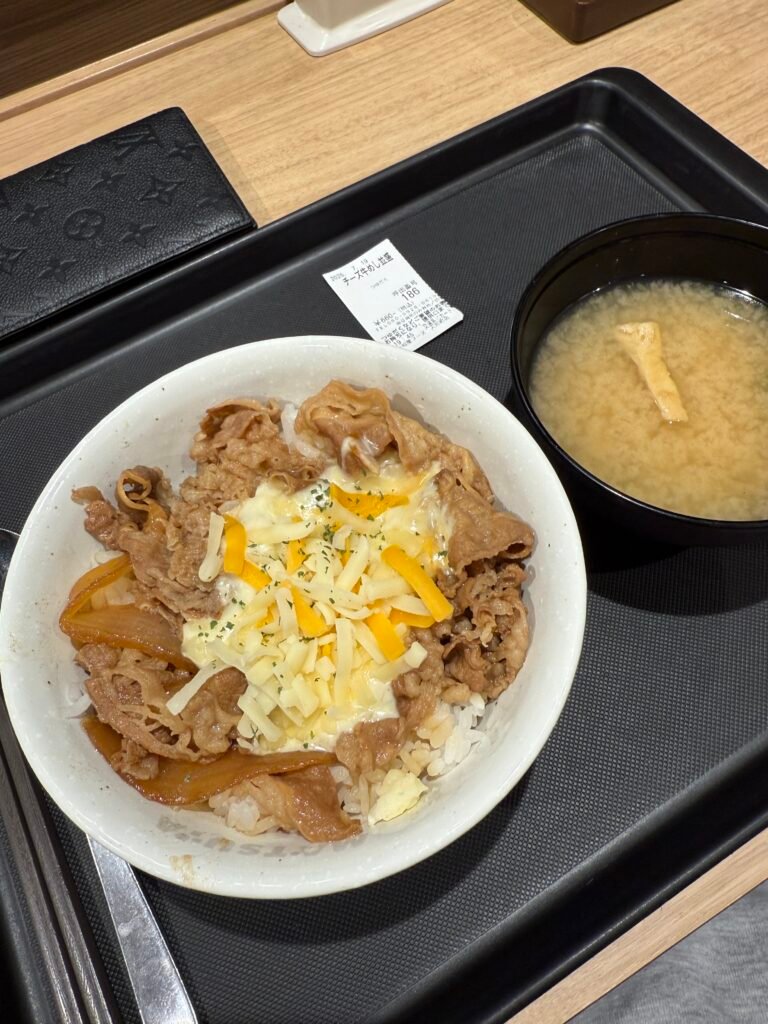
- Gyudon — Beef and onion rice bowl. Cheap, fast, deeply satisfying.
- Tonkatsu — Breaded deep-fried pork cutlet with shredded cabbage and sesame sauce. One of Japan’s greatest (and naughtiest) comfort foods.
- Gyukatsu — Beef version of tonkatsu, served with a hot stone to finish cooking at the table. Gyukatsu Motomura is the chain to know (pls don’t skip it).
- Yakitori — Grilled chicken skewers over charcoal. Omoide Yokocho for atmosphere; Toriichizu for consistent quality.
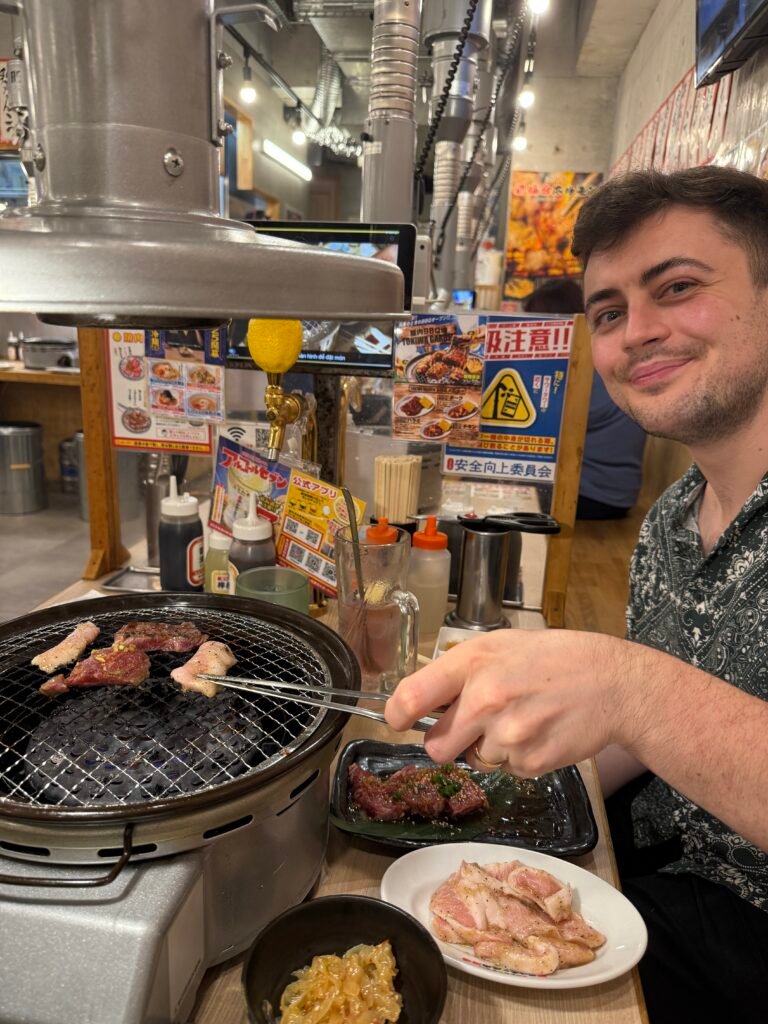
- Yakiniku — Korean-style BBQ at the table. Yakiniku Like for solo dining; Yakiniku Jambo Hanare in Hongo Sanchome for a six-seat wagyu experience worth seeking out.
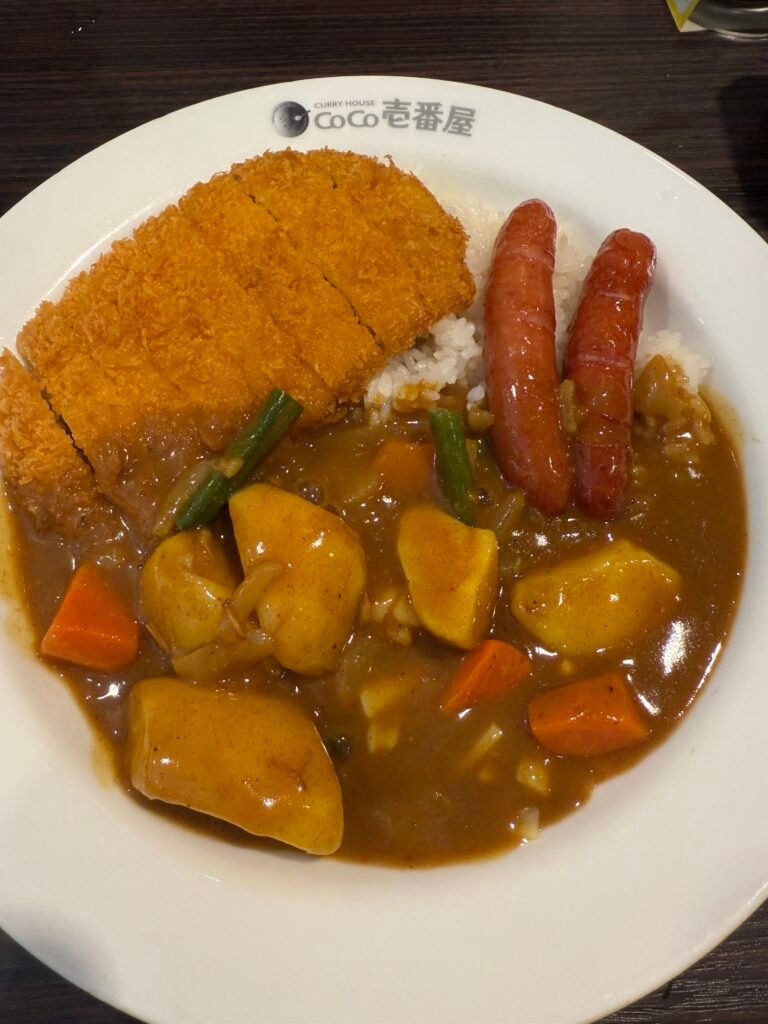
- Curry — Japanese curry: richer, thicker and more comforting than you expect. Coco Ichibanya for the customisable chain; Go! Go! Curry for something… more intense.
- Onigiri — Convenience store rice balls. 7-Eleven’s are excellent. Do not skip them in favour of “real” food. They’re real food too!
- Tamagoyaki — Rolled omelette available pretty much everywhere!
- Takoyaki – Gooey fried dough balls with a hunk of octopus in the middle. Just delicious.
- Taiyaki — Fish-shaped cake filled with red bean paste. From a street stall, eaten hot.
Ramen: A Longer Note
I have a slight obsession with ramen, and you’ll be able to tell this by the fact that I’ve covered the full depth of the Tokyo ramen scene in 29 Ramen Better Than Ichiran — worth reading if ramen is your thing — but the shape of it is this: Ichiran is fine. A solid, reliable tonkotsu in a solo booth. It is absolutely not the best ramen in Tokyo, and treating it as the destination rather than the baseline is a mistake many people make on a first visit!
The chains worth knowing: Afuri for yuzu shio ramen that’s lighter and more fragrant than you might expect; Tenkaippin for an extremely thick, intense kotteri broth that is polarising and magnificent; Tsujita for tsukemen (my ultimate fave); Oreyru Shio for crazy loaded ramen. The moral of the story, though, is that local shops often reign supreme above polished chains. The aforementioned article tells all.
The Best Conveyor Belt Sushi in Tokyo
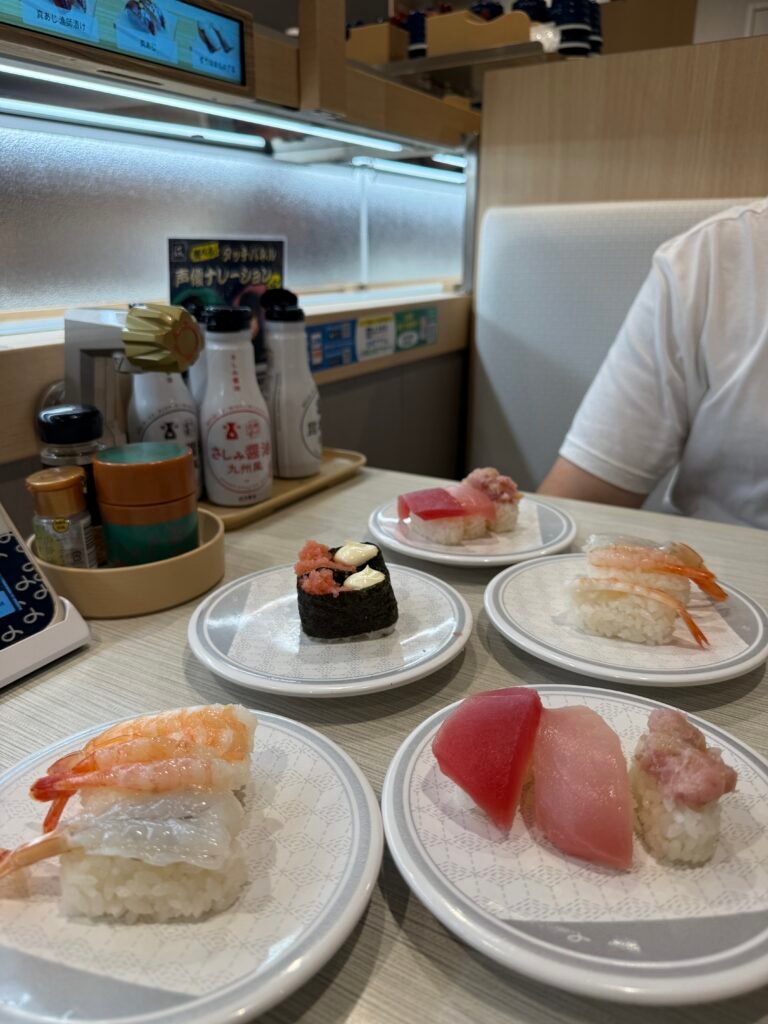
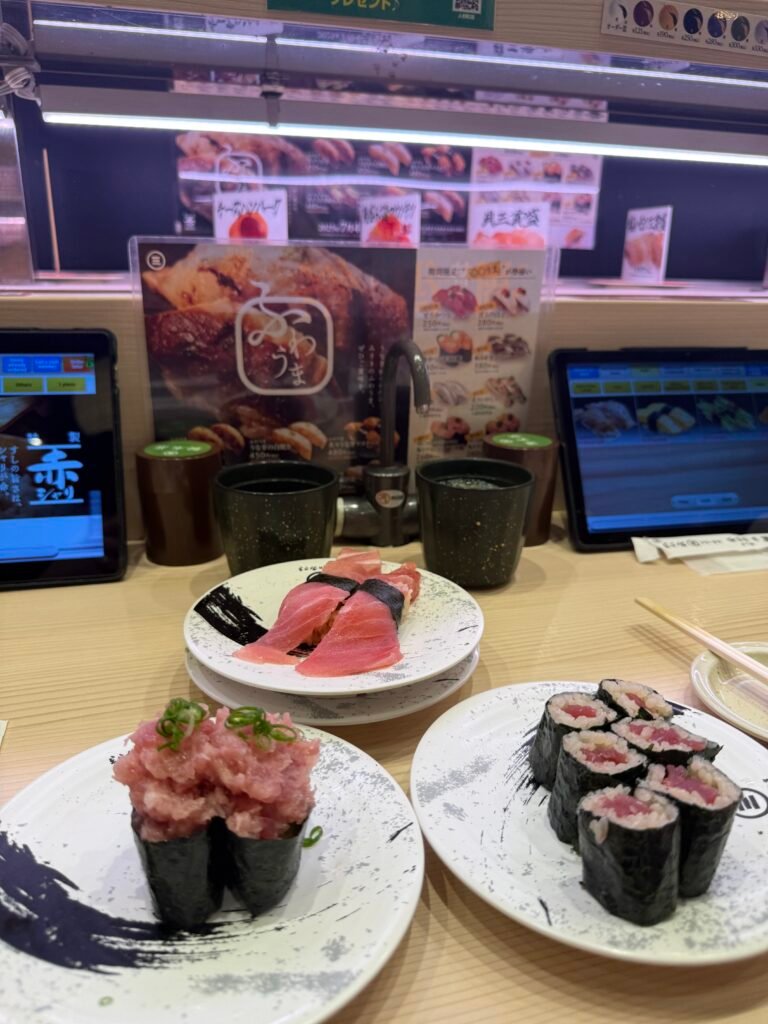
Conveyor belt sushi in Japan is not a lesser version of sushi – I promise. It’s a specific and excellent version, priced at a fraction of what you’d pay at a sit-down counter, and the quality at the better chains is genuinely impressive.
Hama Sushi is my ultimate favourite for quality and value, followed by Sushiro and Kura. Uobei in Shibuya for the novelty of sushi arriving by high-speed mini-rail — fun enough to justify one visit. Kappa Sushi is solid too, and Sushi Zanmai in Tsukiji is great for something slightly more serious without the full omakase price tag.
The Izakaya Experience
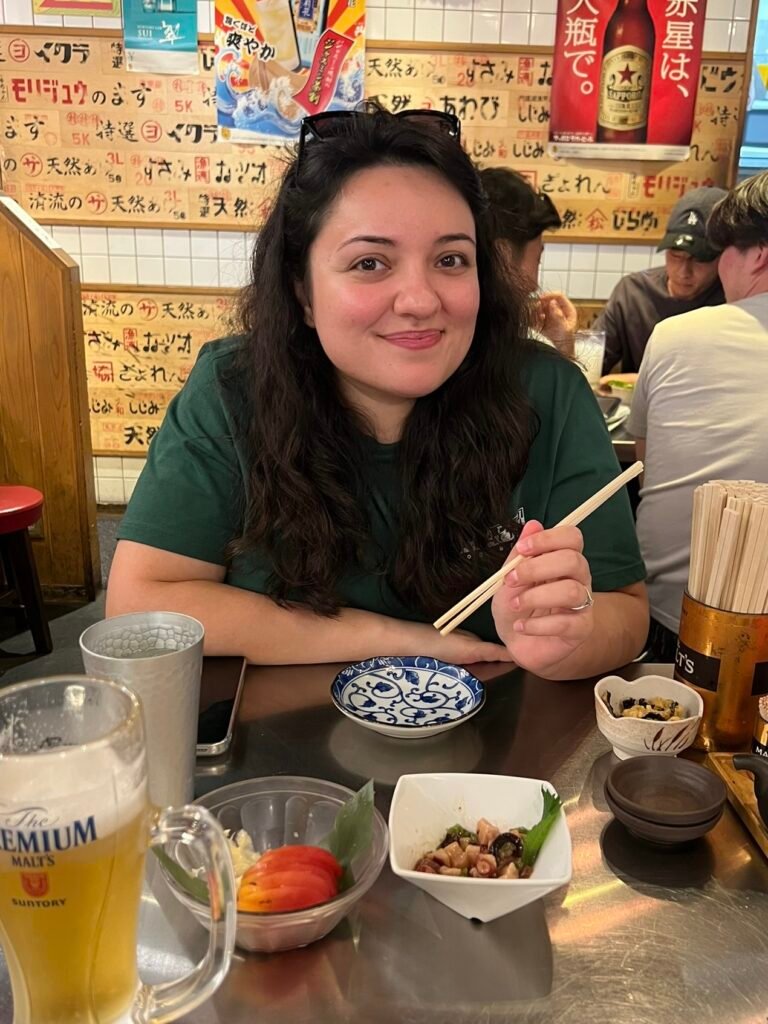
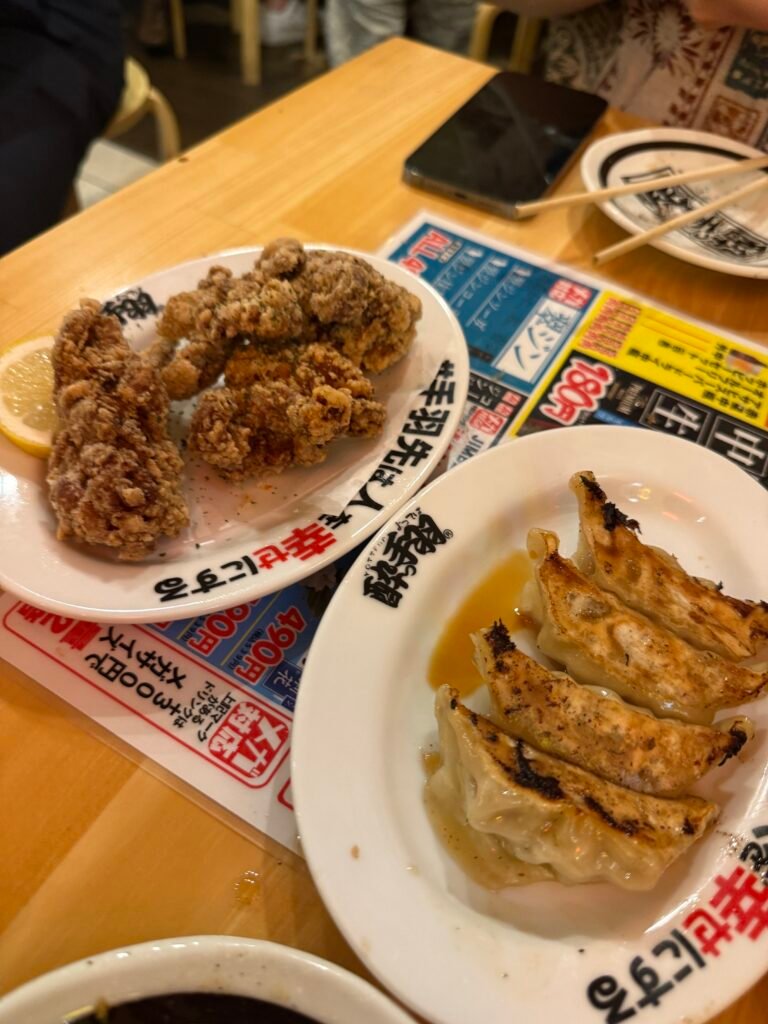
An izakaya is a Japanese gastropub — it’s casual, convivial, and designed for eating and drinking simultaneously over several hours. I’d argue it’s one of the great social institutions of Japanese life and it would be a genuine shame to leave Tokyo without properly experiencing one.
The chain izakayas are a completely legitimate entry point: Torikizoku is the most popular and widespread, Toriichizu (which I visited approximately five times, make of that what you will), Dengushi/Shinjidai, Uotami, and 0 Second Lemon Sour (the name refers to how quickly you can order one via a tap at your table — an innovation that deserves international recognition).
For the full deep-dive on the izakaya scene check out my post on The Best Izakayas In Japan (that Aren’t Torikizoku).
The Japanese Chain Guide: Eating Well for Almost Nothing
One of the best things about Tokyo is that eating at chains isn’t a compromise. It’s often an excellent strategy because ordering is easy, the service is consistent and the ingredients are truly high quality. It also just feels like you’re eating a home-cooked meal every time, which is the best of both worlds!
Gyudon: The holy trinity — Yoshinoya, Matsuya, and Sukiya. All open almost 24 hours, all under ¥500 for a solid bowl, all subtly different. Try all three and form your own opinions; it is one of life’s genuine small pleasures.
Tonkatsu: Katsuya and Matsunoya for the quick chain option. Tonkatsu Marushichi if you want something slightly more elavated.
Tempura: Tendon Tenya for reliable quality at extremely reasonable prices. Tendon Kaneko Hannosuke in Ginza for a step up.
Yakitori: Torikizoku first as a rite of passage — excellent quality for a chain with a comprehensive menu that’s simply a joy to work through. Torichiizu for a cheaper, more casual version (I have a whole blog post on the best yakitori izakaya spots that’s worth a read).
Curry: Coco Ichibanya first, always — customise your spice level, toppings, and portion size. Go! Go! Curry when you want something… richer.
Burgers: Mos Burger is the Japanese chain worth knowing. Fresh ingredients, good quality, and a fab alternative to the international options.
The Best Cocktail Bars in Tokyo
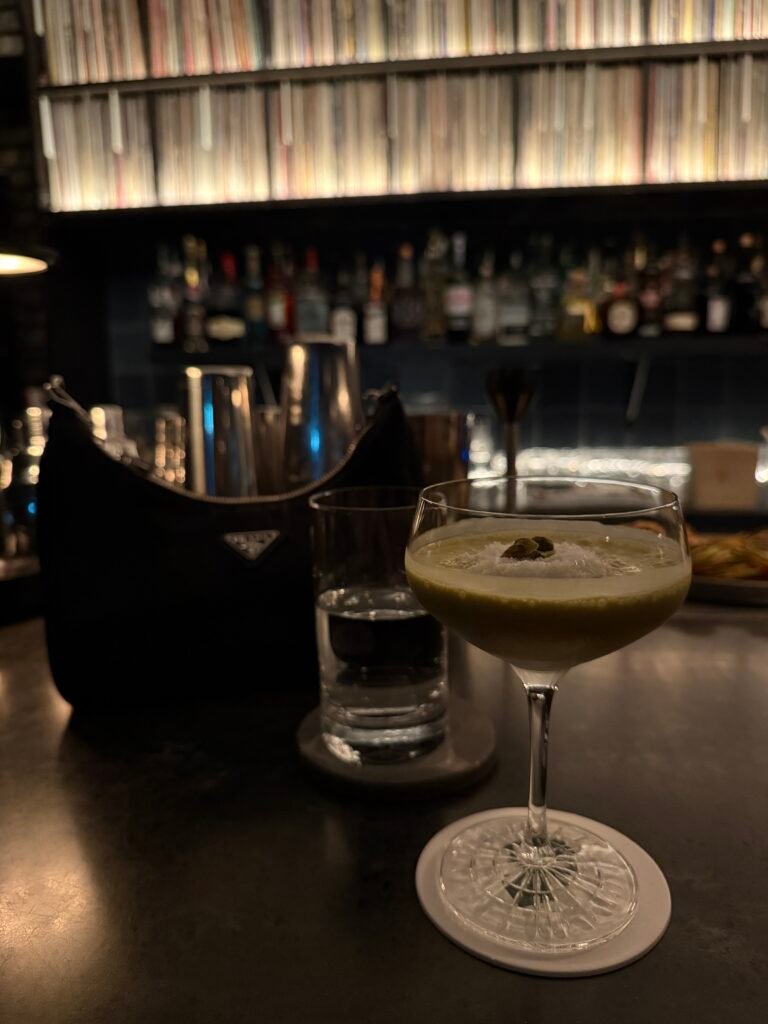
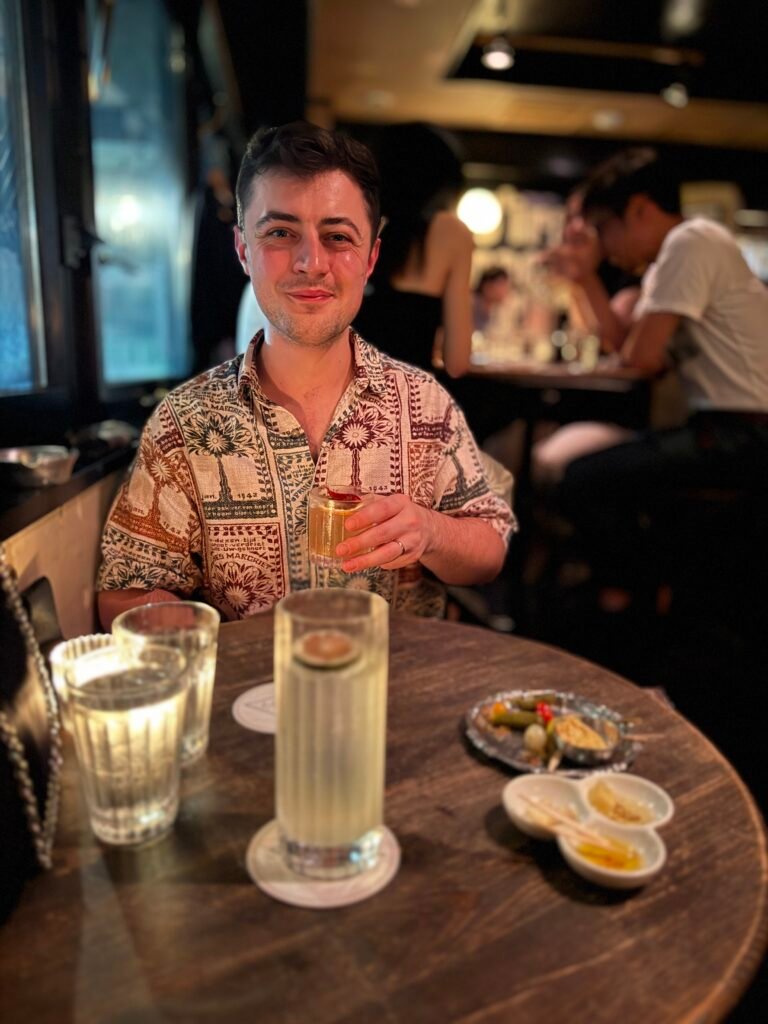
Tokyo’s bar scene rewards doing a little homework before going out. It’s not a city where you stumble into a great cocktail bar by accident (mainly because single buildings tend to house dozens of varied establishments, and signage is easy to miss). I would say it’s more a city where, if you know where you’re going, you can have some of the best drinks of your life. Here are some places we enjoyed:
- Bar Trench, Ebisu: A narrow, dimly lit bar with a European sensibility and a very serious approach to cocktails. It’s intimate, unhurried, and the kind of place where you’ll end up staying for three drinks when you planned for one. The Ebisu bar cluster is best done as a crawl and this is the anchor of it.
- Bar Tram, Ebisu: Bar Trench’s sister bar, a few minutes away, with a slightly warmer atmosphere and a focus on vermouth and aperitivo-style drinks. Excellent as either the start or the end of an Ebisu evening — pairs naturally with dinner nearby.
- The Bellwood, Shinjuku: One of Shinjuku’s better cocktail options — more grown-up than the surrounding Golden Gai bars, with a strong focus on Japanese whisky and spirits. Good for the part of the evening when you want to slow down and actually taste what’s in the glass.
- No Room for Squares, Shimokitazawa: A small, excellent cocktail bar that fits its neighbourhood perfectly — creative and unpretentious (but super edgy nonetheless).
Types of Shopping in Tokyo
Tokyo is an extraordinary city to shop in at every level, whether you’re spending seriously or just browsing. Here are some places to start:
Everyday staples: Uniqlo and GU (Uniqlo’s cheaper sibling) are everywhere and genuinely brilliant — basics, outerwear, and Japan-exclusive ranges that are significantly better (and cheaper) than what gets exported. Muji for simple clothing and home goods. All worth buying from even if you have access to them at home.
Lifestyle stores: Tokyu Hands and Loft are both massive multi-floor lifestyle stores where you can spend two hours looking at stationery, storage solutions, kitchen equipment, and things you didn’t know you needed. Itoya in Ginza is the stationery-lover’s specific paradise — nine floors of paper, pens, and art supplies.
Fashion: Beams and United Arrows for well-curated Japanese multi-brand retail in the smart-casual zone. The Omotesando area for international luxury. Cat Street in Harajuku for independent labels and more interesting finds.
Vintage: Koenji and Shimokitazawa are your main destinations — arrive at the station, pop “vintage store” into Google Maps, and see hundreds pop up before your eyes. You could spend days
Toys, anime & retro: I would say Nakano Broadway and Akihabara will have you covered. 2000TOYS in Koenji for designer toys specifically.
Homeware: Nitori is Japan’s IKEA equivalent — the stores are enormous, everything is excellent quality and the prices are oddly reasonable. I considered buying a whole suitcase worth of stuff, but then realised that was not the right adult decision.
The Best Day Trips from Tokyo
The Shinkansen and local rail network make Tokyo an exceptional base for day trips. Getting out of the city is easy, affordable, and often the best decision you’ll make on any given day — the surrounding towns and landscapes offer a complete tonal shift from the urban intensity, and there’s something out there for everyone.
Yokohama
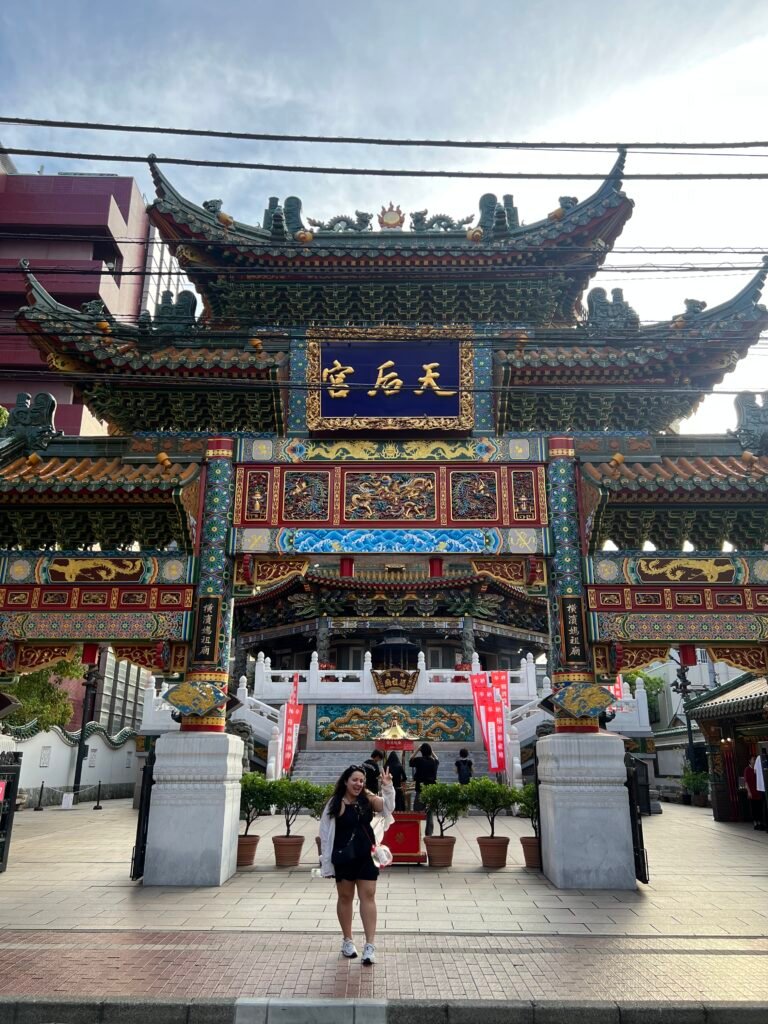
Tokyo’s southern neighbour and, in many ways, a city that’s unfairly overlooked. I was saying how weirdly Mormon it felt architecturally, almost like Salt Lake City, and laughed my socks off when I found out that the Mormons did settle there a couple of decades ago.
The Minato Mirai district feels genuinely futuristic, Chinatown is one of the best outside China itself, and the overall pace is noticeably calmer than the capital. It’s a really easy 30-minute train from Shinjuku, and worth a half day exploration at least.
- The Vibe: Futuristic waterfront city meets authentic Chinatown.
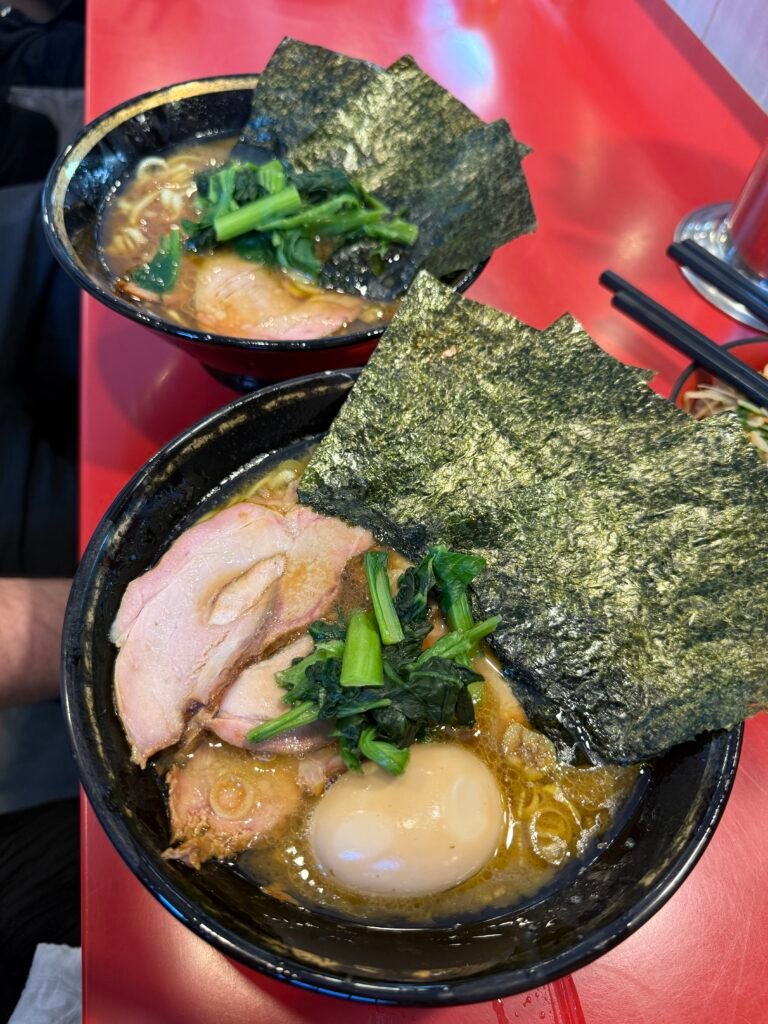
- The Highlight: Eat at Yoshimuraya for the original iekei ramen, walk the Minato Mirai waterfront at dusk, then dive into Chinatown for dinner. The Cup Noodle Museum was also fun.
- Top Tip: Take the Minatomirai Line from Yokohama Station for the most scenic route into the waterfront area.
Kamakura
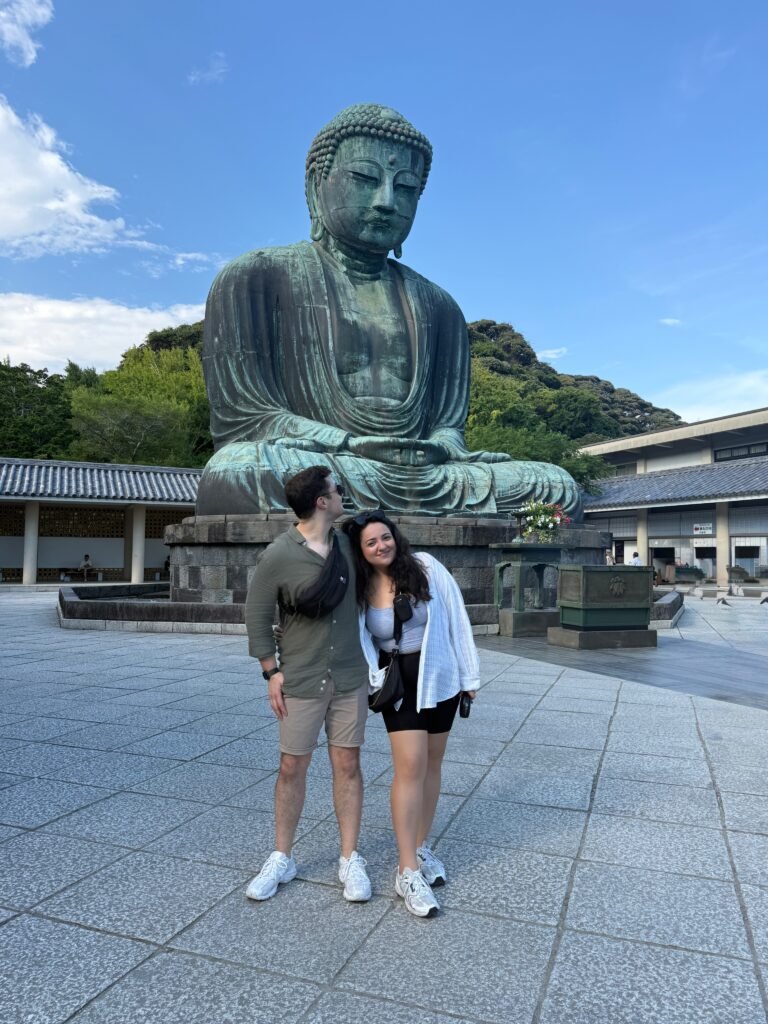
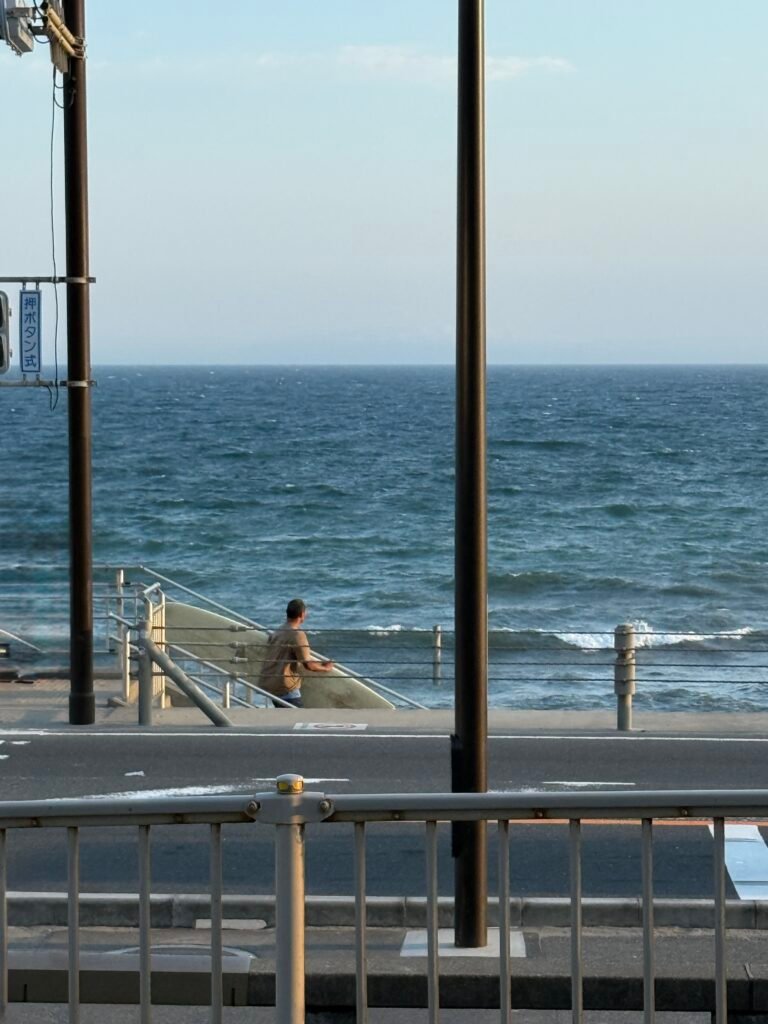
I just loved Kamakura, mainly because of how much it had to offer (despite being a tiny seaside town). The Great Buddha (Kotoku-in) is the obvious anchor, but Kamakura has: temple gardens, bamboo groves, the Daibutsu hiking trail that winds between shrines, and a great restaurant and café scene for a town its size. I would say it’s worth a full day, but it also combines perfectly with Enoshima if you want to kill two birds with one stone.
- The Vibe: Ancient capital energy — temples, moss, sea views, and a pace of life that makes you question every life decision that led you to a desk job.
- The Highlight: The Daibutsu hiking trail between shrines — quieter than the main temple trail and absolutely stunning.
- Top Tip: Please go on a weekday if you can. Kamakura is extremely popular with locals during the weekend and the narrow streets around the main shrines get very crowded by mid-morning.
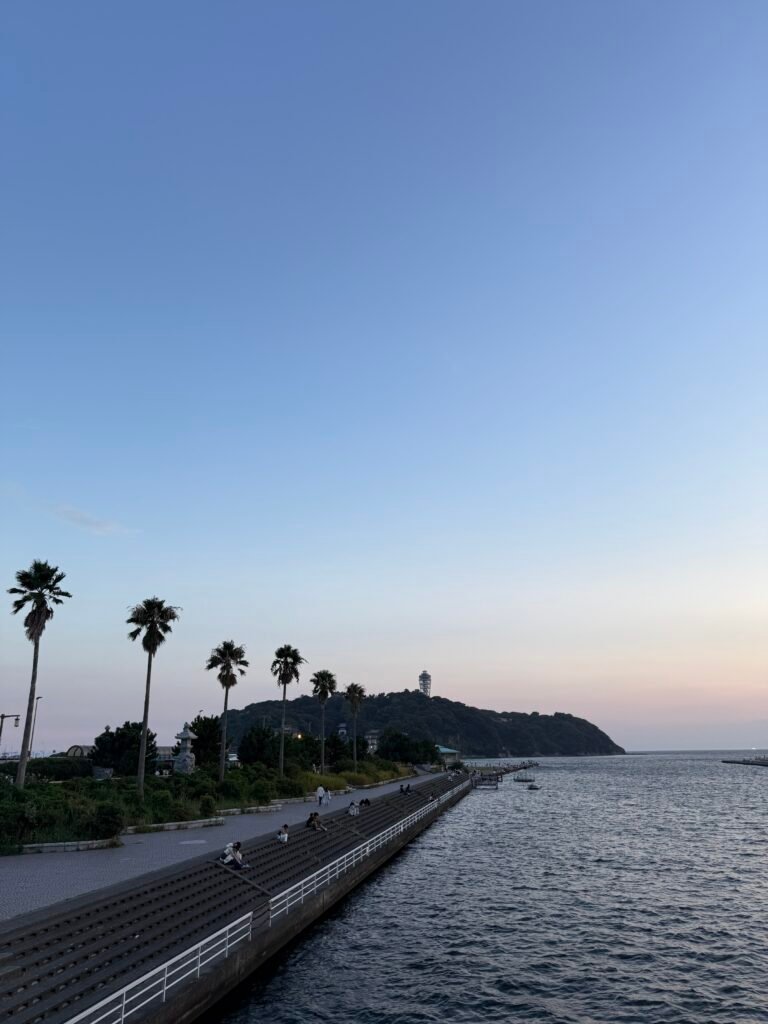
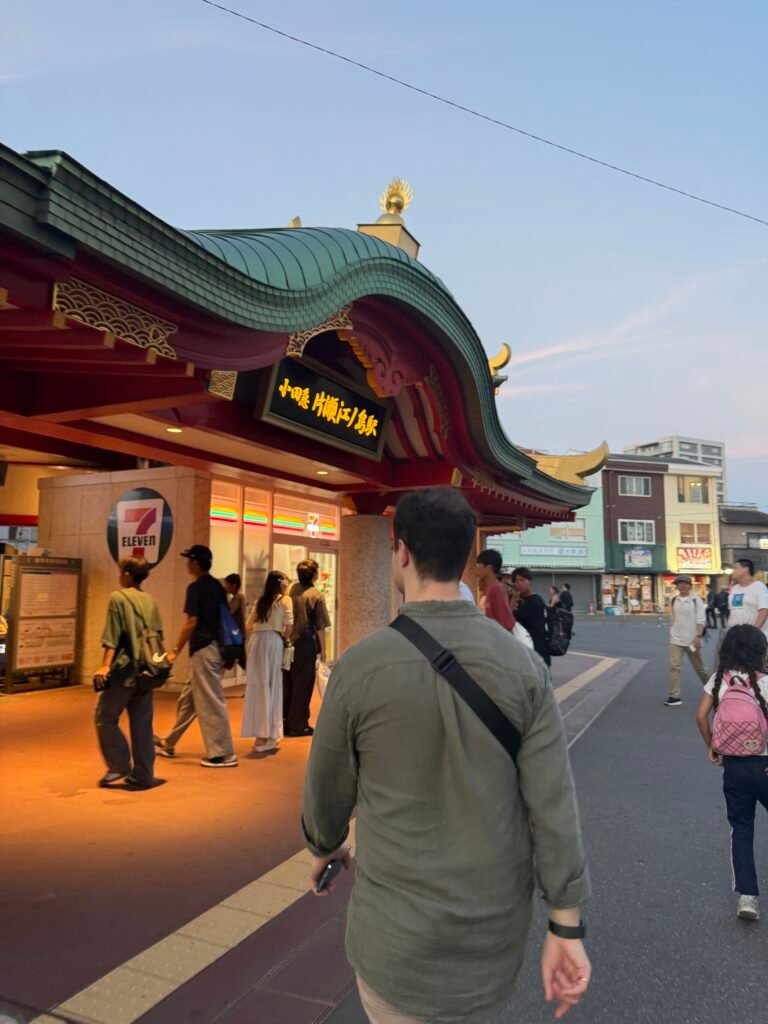
Enoshima
A small island off the Kanagawa coast, connected to the mainland by a bridge. It’s compact enough to cover in a few hours and packs in more than you’d expect — a clifftop shrine, sea caves at the base, excellent seafood along the main street, and views back to the mainland on a clear day. It pairs naturally with Kamakura as an afternoon add-on, but if you want to do all the activities, it could warrant a full day.
- The Vibe: Seaside shrine town with great seafood and the vague feeling of having wandered off the tourist trail, even though you haven’t.
- The Highlight: The sea caves (Iwaya Caves) at the base of the island are beautifully atmospheric and slightly eerie (in a good way).
- Top Tip: The shirasu (whitebait) here is famous and deservedly so — get it as a don (rice bowl) for lunch somewhere along the main street before heading to the shrine!
Mount Fuji & Fuji Five Lakes (Fujigoko)
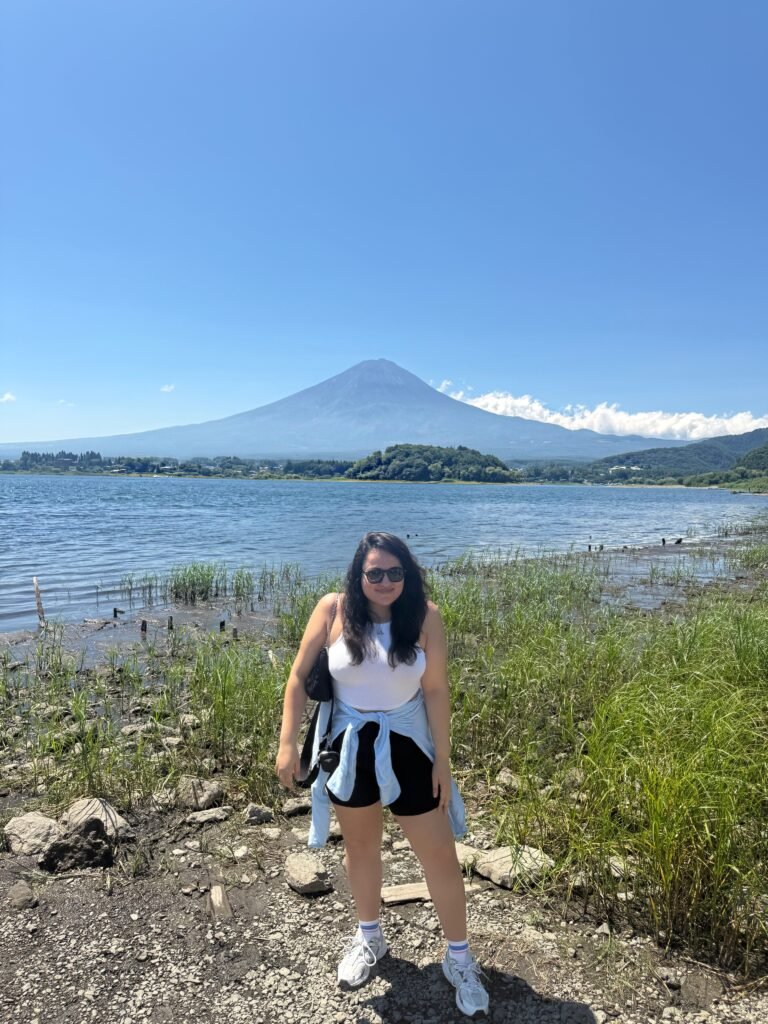
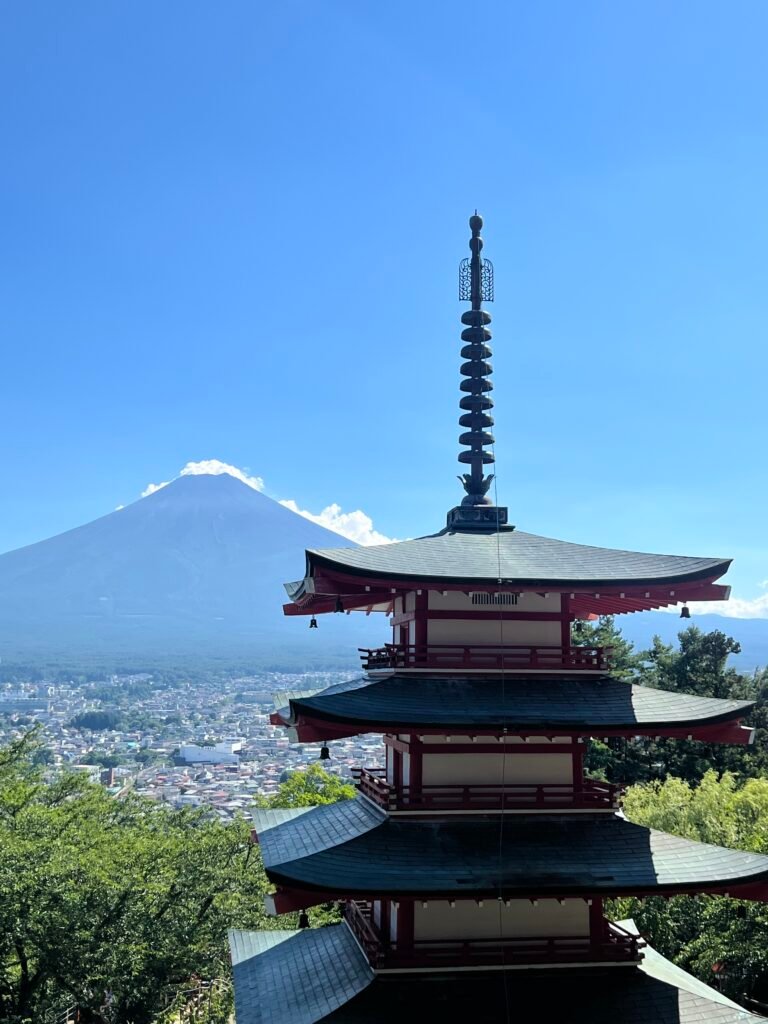
A full day trip that you can arrange on your own with public transport, but honestly cheaper and more comprehensive via a tour on GetYourGuide. We used this one, mainly because the train tickets there alone cost more than the travel and tour guide showing you the sights as part of the package. The Five Lakes area (Fujigoko) gives you the best views of Fuji — Lake Kawaguchiko especially, where the reflection of the mountain on a still morning is the kind of thing that doesn’t photograph as well as it deserves to. If you’re going to climb, the official season runs from early July to early September.
- The Vibe: Fuji is genuinely enormous and the photos honestly won’t prepare you for the scale of it – it’s absolutely gorgeous, and worth the effort to get there!
- The Highlight: Kawaguchiko is just so gorgeous.
- Top Tip: There’s a site you can use to see if it’s cloudy before you book your trip – definitely use it, or you might get there and be greeted with nothing but clouds!
A Note on Language
Japanese people are remarkably patient and kind, but especially love it when tourists make even a minimal amount of effort. It’s also always just so fun to try a few phrases, so here are some anglicised versions of the pronunciation of some common ones. Learning even five of these will be noticed:
- Konnichiwa — Hello (daytime)
- Ohaiyo Gozaimas — Good morning
- Konbanwa — Good evening
- Arigato Gozaimas — Thank you (polite)
- Sumimasen — Excuse me / getting attention in a restaurant
- Oishii — Delicious (deploy liberally)
- Kore wa ikura deska — How much is this?
- Nandeska – What is this?
- Onegaishimas — Please / I would like (use at the end of ordering)
- Gomen nasai — Sorry
- Hai / Iie — Yes / No
Can you be a digital Nomad in Tokyo?
Cost-wise, Tokyo is mid-range for a nomad. It’s significantly more expensive than Southeast Asia, but considerably cheaper than London or New York once you’ve figured out how to properly make the most of the city — and using it properly means utilising the chain restaurants, the convenience stores, the local supermarkets, and the neighbourhoods that aren’t pricing themselves for tourists. I would say that rent is the main variable; when you get that right, the rest of daily life is genuinely very affordable! I’ve actually made a video comparing the cost of living between London and Tokyo, if you’re interested.
The café working culture is the other thing to calibrate. Tokyo has excellent cafés, and some of them are genuinely great for working from — but a meaningful number won’t be that happy with you working there from a cultural perspective (though they won’t necessarily tell you that). There are a lot of unspoken no-laptop policies, or they just aren’t set up for it in the way that Southeast Asian café culture tends to be. You’ll find your spots, but it takes more intentional effort than you might expect.
What makes Tokyo work as a nomad base is everything else. It’s endlessly stimulating, extraordinarily safe and logistically seamless once you’ve got your IC card sorted. You could spend years there and still feel like you’re only partway through figuring it out. The sweet spot is probably one to three months for a nomad — basically long enough to build a proper routine and start feeling like you live there rather than visit, but not so long that the higher cost relative to SE Asia starts to feel like it’s accumulating. I’d go back for a longer stint in a heartbeat though – it’s genuinely my favourite place in the world.
A Final Note
Who, What & Why
If you’ve made it this far — hello, I’m Aila! I walked away from a decade in corporate tech to redesign my life around the things that I actually care about: creative work, slow travel, and being generally helpful to other humans. These days my husband and I split our time between London (caring for my mother) and various spots across Asia.
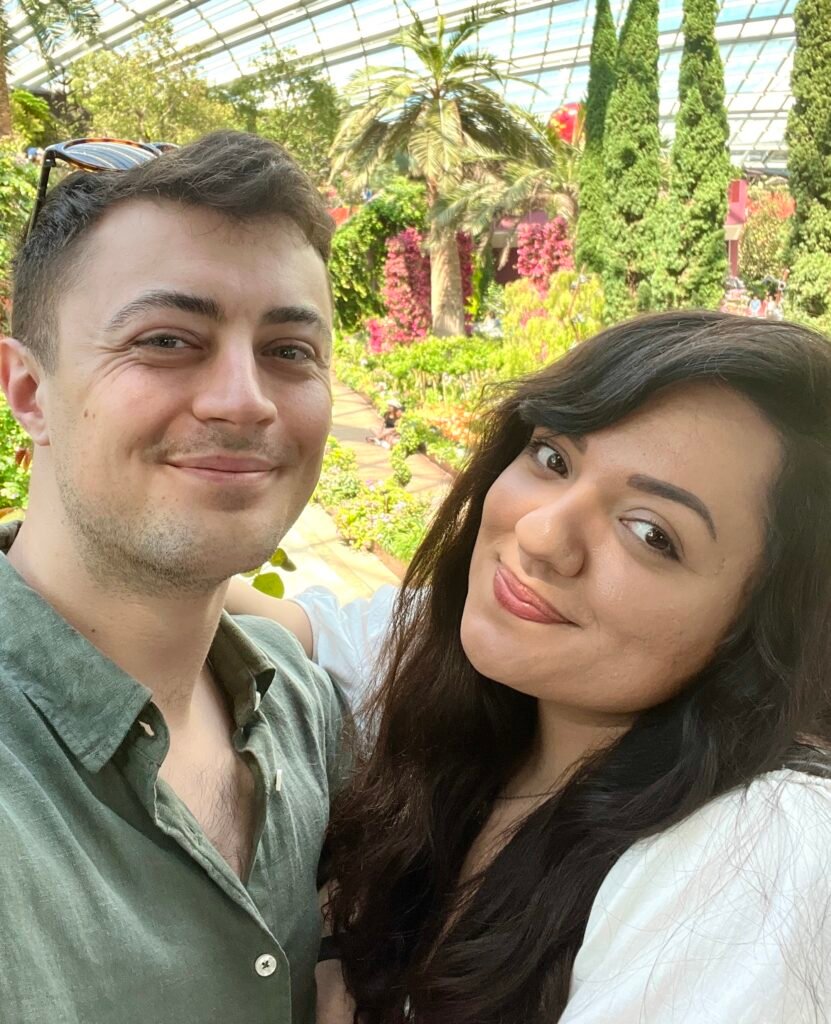
Whether I’m strolling through markets in Bangkok, systematically eating my way through Japanese ramen shops, testing skin treatments in South Korea or documenting what it actually looks like to leave a stable career and build something new — the goal is always the same: share the real version of our travels so you can make the most of your trip. If you ever find any of it useful and want to support my work to keep the site ad-free, you can do that here. 🙂
If you prefer watching over reading, most of what I cover here also lives on YouTube — the entrepreneurship side of things, travel, and the honest version of building a fulfilling life.
Explore the Archives
If you’ve enjoyed reading this blog post, there’s plenty more where that came from! Have a wander through the sections below:
- Food: I’m a firm believer that you get the best feel for a city through its food and drinks. Check out my archives for deep dives on food all over the world and, if you’re going to Japan, start with my pride and joy: 29 Ramen Better Than Ichiran.
- Travel & Nomadic Life: Whether you’re planning a one-week holiday or a total life pivot into digital nomadism, I’ve likely written a guide for it. Dive into the archives for my unfiltered take on what to see, eat, drink, and — perhaps most importantly — skip. You can start with the Seoul edit if you like!
- Health & Beauty: Beyond trying to be a functioning human, I do deep dives on health (PCOS, Visual Snow) and the reality of beauty (make-up, skincare & treatments). You’ll find my honest results on everything from non-invasive laser treatments to long-term wellness.
If you end up trying any of my recommendations, let me know in the comments section or reach out – I’d love to hear what you thought.
The Essentials
A couple of things I use on every trip that keep me functional:
- Connectivity: Nomad eSIM — easy setup, works everywhere, no SIM card stress.
- Privacy: NordVPN — for public WiFi and keeping my Netflix region exactly where I want it.
Want to stay “in the know”?
Every month I share a newsletter with a round-up of all my content, as well as other handy resources. Sign up below to receive it so you don’t miss anything – from thorough travel guides to organisational systems that actually make life easier.